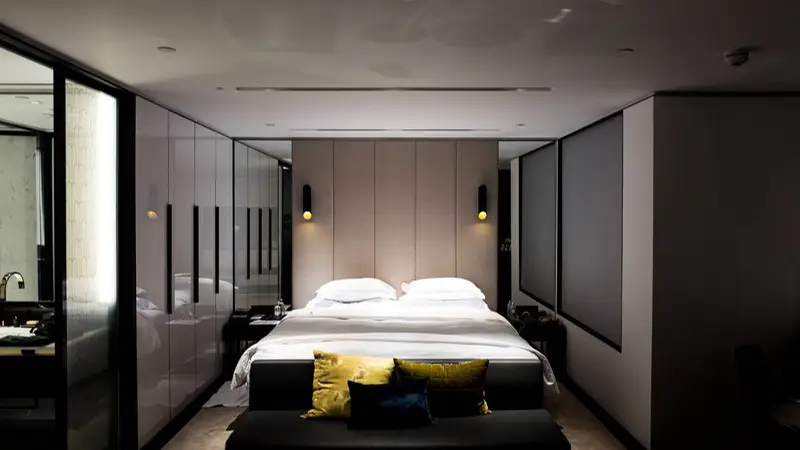
Curtains and Window Treatments
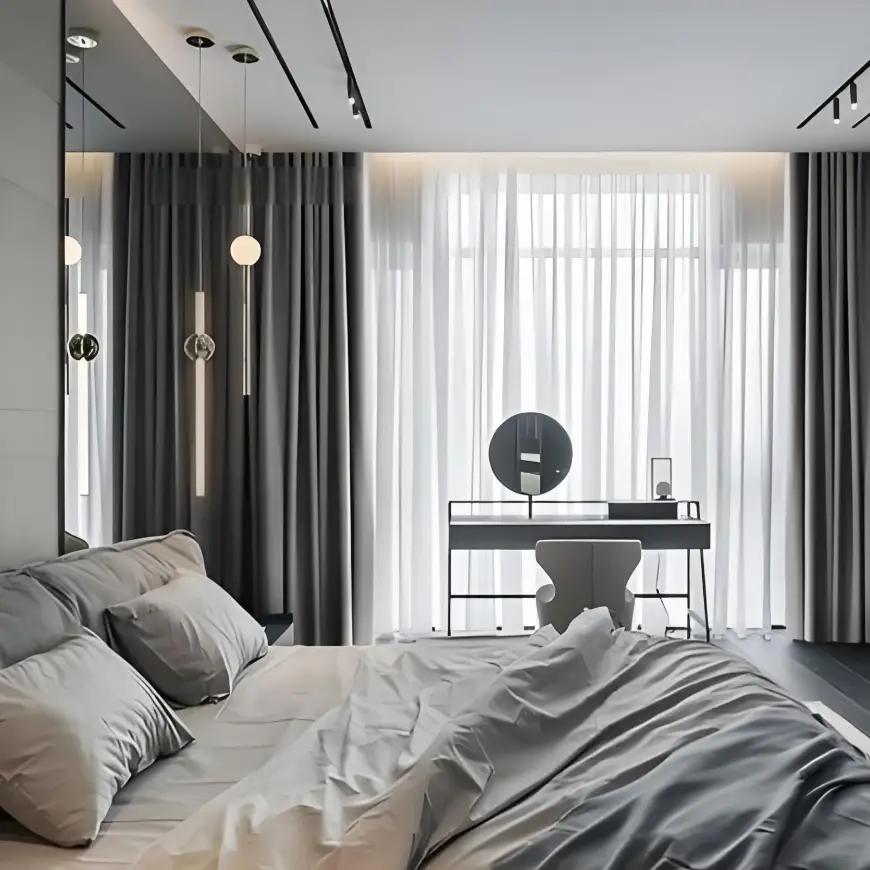
Coordinate finished dimensions, fullness, heading, lining, hems, tracks or rods, operation, overlap, stack-back, holdbacks and installation height.

Project-coordinated textiles and room packages
Coordinate custom soft furnishings by room, dimensions, window references, fabrics, colours, curtain tracks, bedding, rugs, upholstery, decorative textiles, samples, inspection records and room-based packing.
Home » Soft Furnishing
Soft furnishing groups
Begin with the furnishing and room schedules, then identify dimensions, construction, fabric code, colour, quantity, hardware or accessories, performance requirements and approval status for every item.
Coordinate finished dimensions, fullness, heading, lining, hems, tracks or rods, operation, overlap, stack-back, holdbacks and installation height.
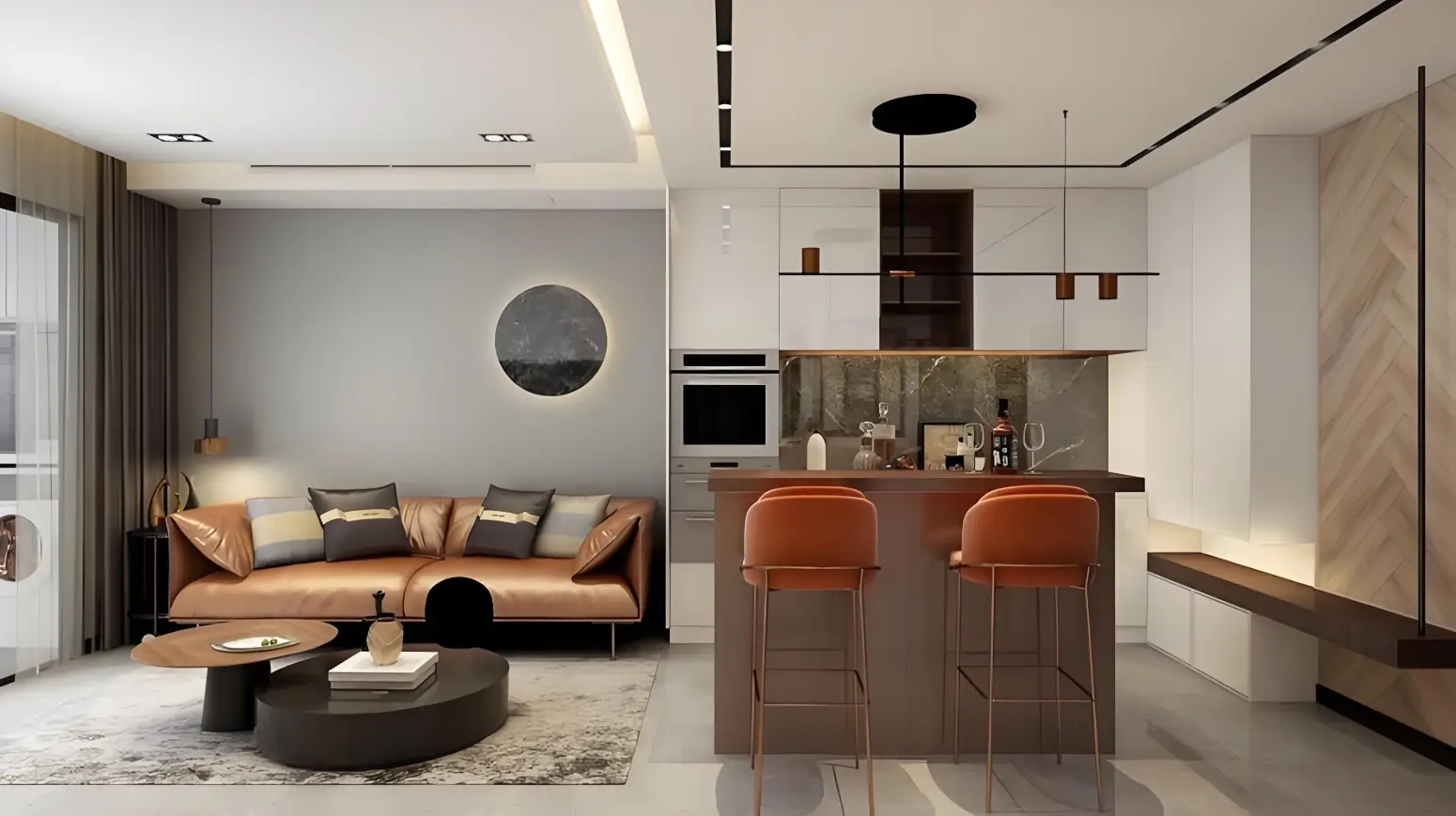
Schedule mattress or bed size, sheets, duvet covers, pillowcases, protectors, runners and decorative pieces by room type and set quantity.
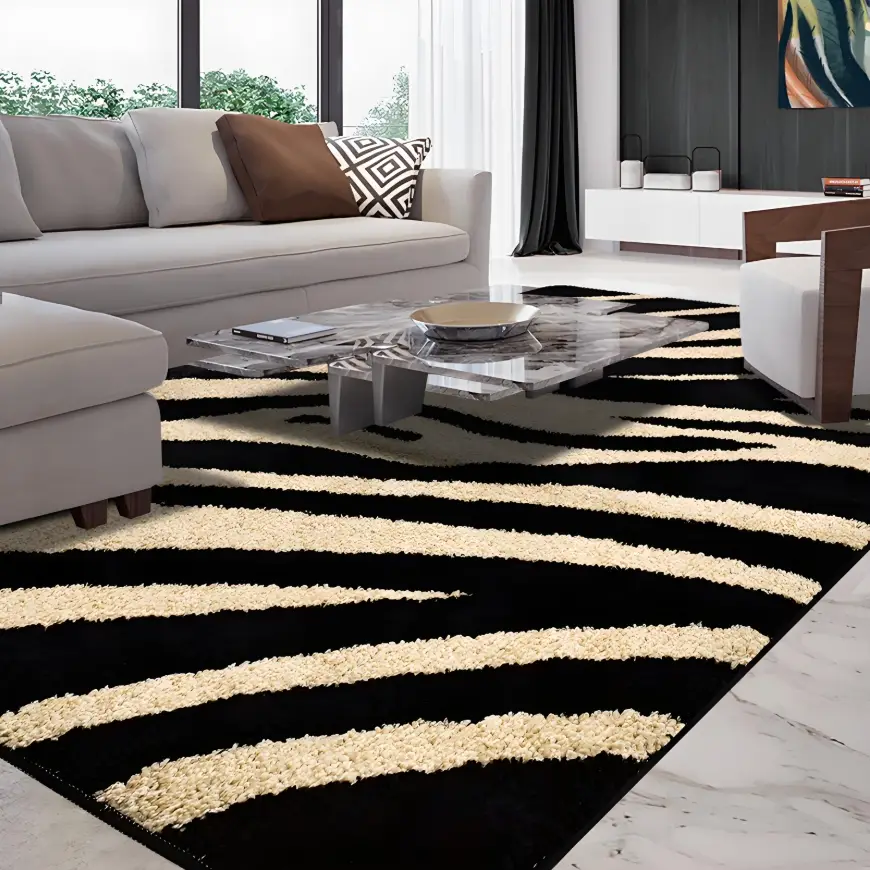
Define overall size, shape, construction, pile, edge treatment, backing, pattern direction, colour reference, underlay and floor interface.
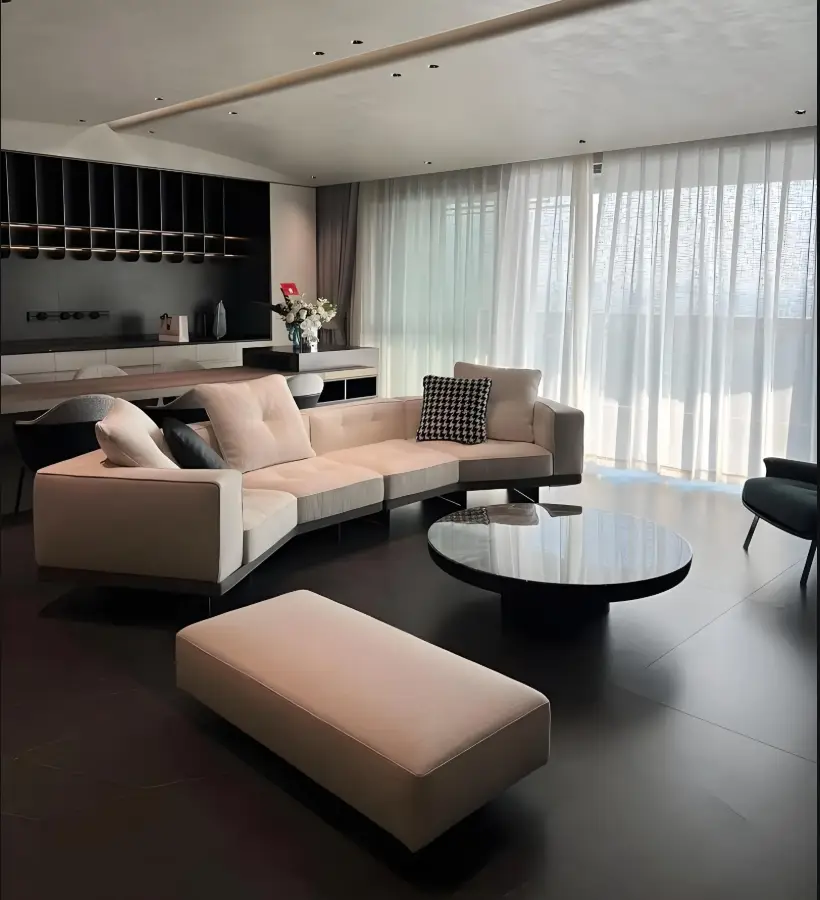
Record the furniture or panel reference, fabric, usable width, repeat, orientation, seam or piping details, cushion filling and required replacement allowance.
Project applications
A coordinated package tracks repeated item codes, room references, quantities, fabric lots, finish approvals, maintenance requirements and delivery stages instead of treating each mood image as a complete specification.
Coordinate room-by-room textiles around household use, privacy, daylight, furniture, colour references, care preferences and installation access.
Standardize selections by unit type while controlling window references, quantities, fabric choices, room labels and phased release.
Organize guestrooms, suites, restaurants and public areas through room-type schedules, approved samples, replacement codes and care requirements.
Review indoor or sheltered-area use, climate, sunlight, cleaning frequency, replacement planning and cultural or brand references by zone.
Specification layers
Mood images provide visual direction. The quotation and approval package should define the actual item size, textile composition and construction, colour reference, pattern placement, hardware, care instructions and required evidence.
01 · ScheduleAssign item and room codes, finished dimensions, set contents, quantities, orientation, window or furniture reference and required spare allowance.
02 · ConstructionRecord fibre composition, fabric width and weight where relevant, lining, interlining, filling, backing, seams, hems, edge details and tolerances.

03 · AppearanceDefine sample code, colour tolerance, weave or texture, pattern scale, repeat, direction, matching at seams and acceptable natural or batch variation.
04 · CompletionSchedule curtain tracks or rods, gliders, brackets, hooks, tiebacks, zips, labels, underlay, installation accessories and cleaning instructions.
Specification note: Terms such as blackout, acoustic, stain-resistant, antimicrobial, outdoor, fire-retardant, sustainable, colourfast or washable are not complete specifications. Confirm the actual textile, construction, test method, care conditions and acceptable evidence for the project.
Selection and interface checklist
Each item should be reviewed against the approved room plans, window and furniture schedules, site measurements, finish palette, operating conditions and applicable project requirements.
Assign project, building, floor, room type, item code, quantity, dimensions, fabric, colour, accessories and current approval status.
Verify window recesses, finished floors and ceilings, track positions, curtain drops, furniture dimensions, rug clearances and installation access.
Check curtain pockets, support, track length and curvature, motor or manual operation, power where applicable, stack-back and clashes with handles or services.
Record approved sample codes, colour and texture criteria, pattern direction, batch references and how variation between samples and production will be assessed.
Identify any fire, acoustic, light-control, abrasion, colourfastness, cleaning, indoor-air or other evidence required for the actual item and location.
Confirm measurement responsibility, track or rod installation, hanging and dressing, rug placement, room access, spare items, care labels and replacement references.
Responsibility note: Supplier samples and data do not replace the project designer's, fire consultant's or other responsible professional's specification, code review, site measurement approval or installation acceptance.
Quotation inputs
Send the latest schedules, drawings and references even when some selections are pending. Missing information can then be listed as open items instead of being included as unrecorded assumptions.
| Information | What to provide | Why it matters |
|---|---|---|
| Project scope | Project type and location, buildings, room types, quantities, delivery stages and target programme | Defines package size and approval priorities |
| Room and item schedule | Room reference, item code, description, finished dimensions, quantity, orientation, reference image and approval status | Creates the line-item quotation and tracking basis |
| Drawings and measurements | Plans, elevations, window schedule, furniture schedule, ceiling details, track pockets, verified dimensions and installation access | Checks fit and adjacent interfaces |
| Materials and construction | Textile composition, width or weight where relevant, lining, filling, backing, edge details, pattern, colour, hardware and care expectations | Defines the proposed item and pricing basis |
| Performance and evidence | Required fire, light-control, acoustic, abrasion, colourfastness, cleaning, environmental or other criteria by item and location | Identifies applicable tests, data and alternatives |
| Approvals and delivery | Sample and mock-up requirements, inspection access, room labels, spare items, installation scope, packing method and destination | Clarifies responsibilities and deliverables |
Coordination process
The sequence keeps item codes, dimensions, fabric references, samples, quantities, production lots and room-based delivery records connected.
Check room and furnishing schedules, plans, windows, furniture, quantities, reference images, required evidence, measurement status and programme. List missing inputs.
Compare available textiles and make-up options by dimensions, composition, construction, colour, pattern, accessories, care and required performance evidence.
Review fabric swatches, trim and hardware samples, strike-offs or pattern layouts, operating samples or room mock-ups and revision records before release.
Follow the agreed checklist for selected references, dimensions, quantities, visible finish, listed accessories, care labels, room labels, protection and dispatch.
Approval and delivery records
Required testing, mock-ups, inspection access and packing methods vary by project. State them in the confirmed scope and link every record to the relevant room and item code.
ApprovalConnect each item to its submitted textile, colour, pattern, trim, hardware, mock-up status, reviewer comments and approved revision.
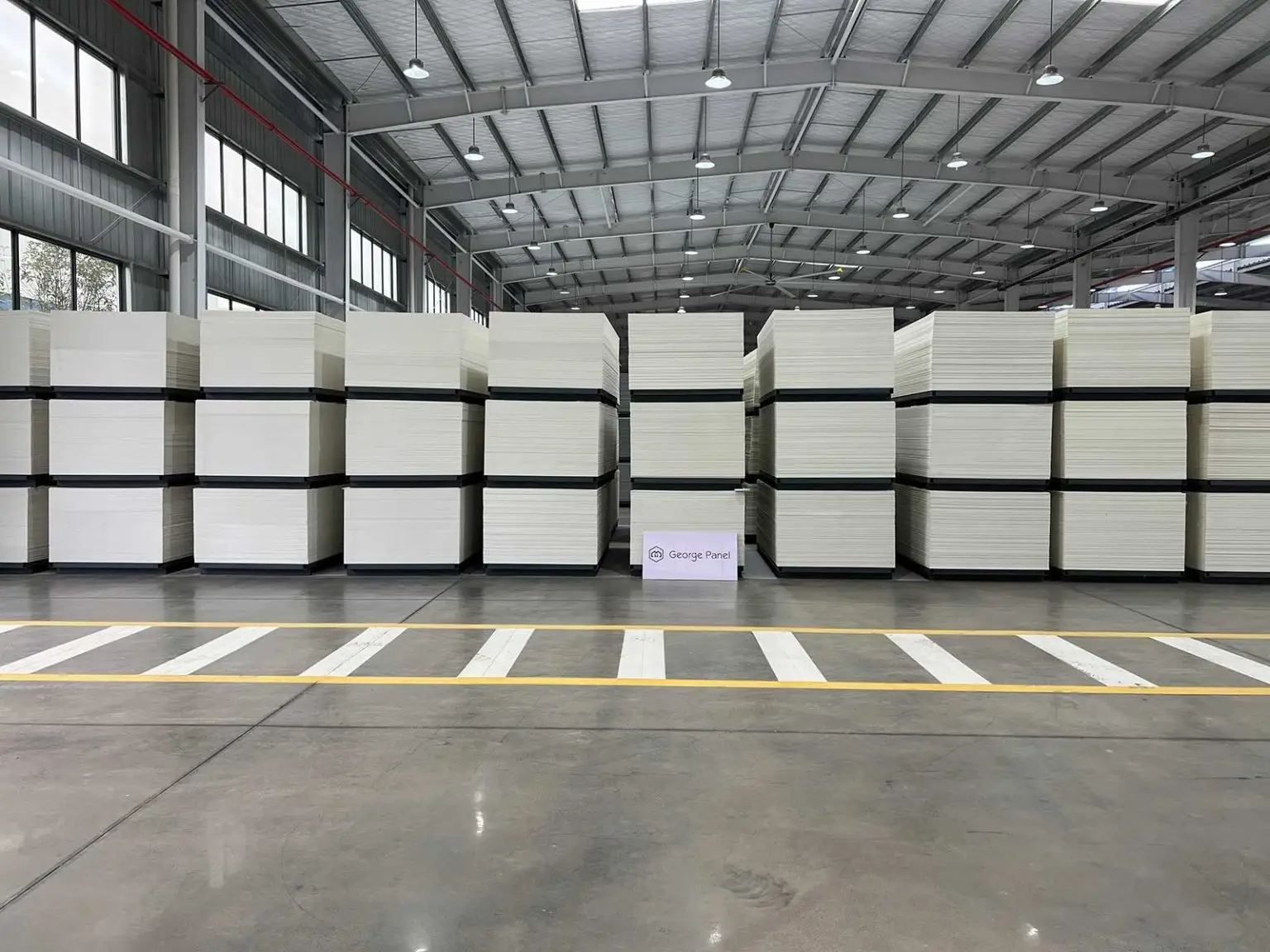
Lot referenceWhere included, retain supplier, textile, dye or production lot, quantity and progress references without presenting a generic facility image as evidence of ownership or certification.
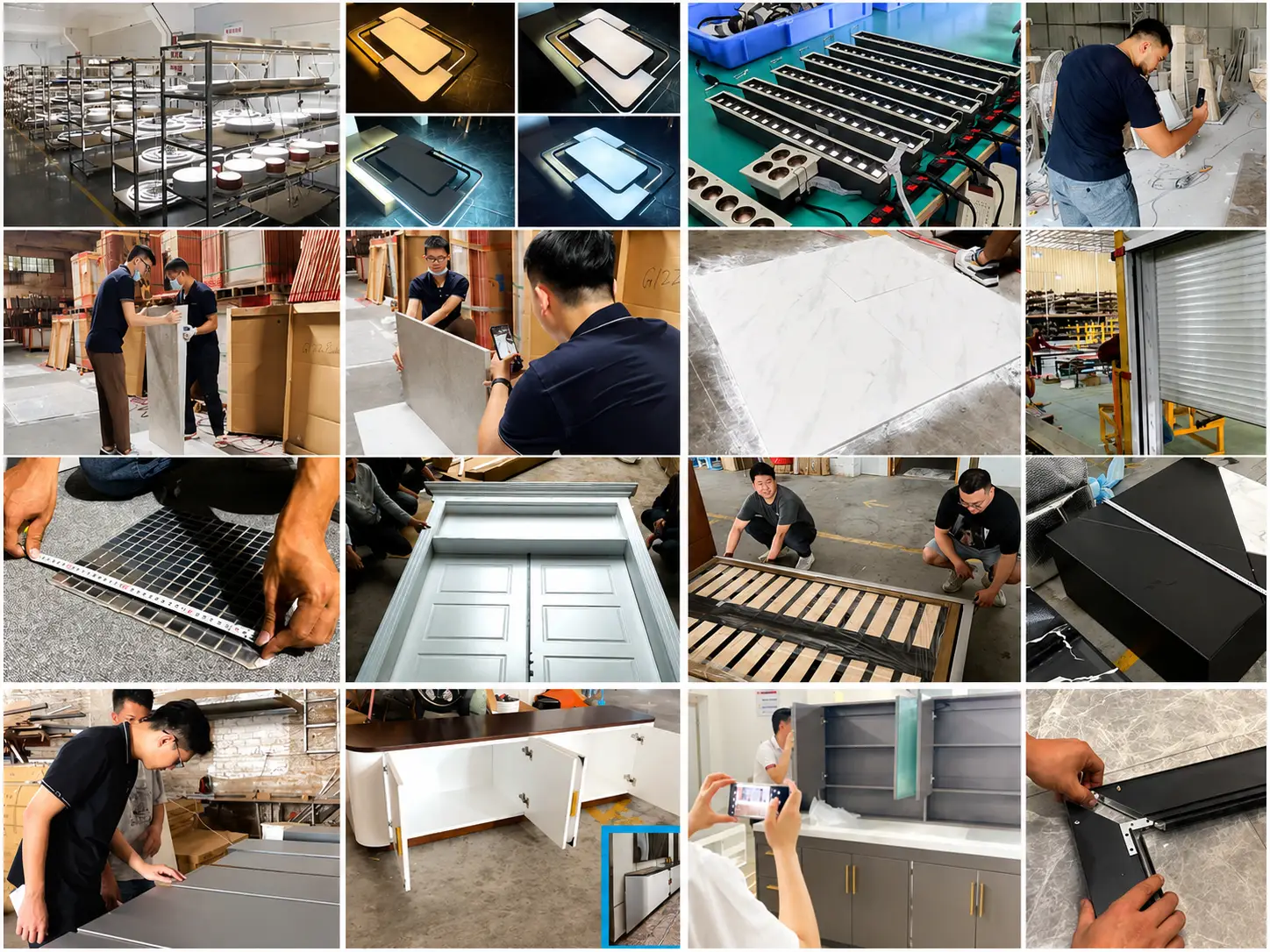
ChecksUse the agreed checklist for item codes, selected dimensions, quantity, visible colour and pattern, listed accessories, labels and required project evidence.

DispatchIdentify packages by project, building, floor, room and item code, and confirm accessories, spare items, moisture protection and unpacking sequence.
Sample, workshop, inspection and packing images are process references only. They do not prove fibre content, treatment, performance, certification, factory ownership or project approval; use item-specific records for those decisions.

Related product categories
Curtains, bedding, rugs and upholstery interact with furniture dimensions, cabinetry, lighting, colour appearance, room access and the wider project delivery schedule.
Align upholstery, cushions, rugs and decorative textiles with furniture dimensions, construction and room references.
Explore furniture →Review textile colours, texture and drape under the intended room lighting and control scenes.
Explore lighting →Coordinate curtain pockets, window seats, wardrobe interiors, handles, finishes and adjacent textile clearances.
Explore cabinetry →See how soft furnishings and other material categories are coordinated within broader project scopes.
View projects →Frequently asked questions
Practical answers for preparing an enquiry and coordinating measurements, fabrics, samples, performance requirements and room-based delivery.
Send the room and item schedules, plans, window and furniture references, available measurements, quantities, mood images, textile and colour direction, construction details, required performance evidence, sample expectations, project location, programme, installation scope and packing needs. Mark unavailable information as pending.
Mood images can establish style, colour and texture direction, but they do not define dimensions, fibre composition, fabric weight or width, construction, lining, pattern repeat, accessories, performance or care. These details should be documented for every quoted item.
Preliminary sizes can support budgeting, but production dimensions should follow the agreed measurement responsibility and stage. Verify finished openings, floors and ceilings, curtain pockets, track positions, stack-back, obstructions and installation access after relevant site work reaches the required condition.
They can be included when the scope identifies track or rod type, length and curvature, finish, brackets and supports, manual or motorized operation, control method, power and access requirements, installation responsibility and compatible curtain make-up.
State the required outcome, location, complete curtain or furnishing build-up, test method, acceptance criteria and acceptable evidence. A performance label applied to one fabric layer may not describe the finished system.
Yes. Provide the jurisdiction, occupancy or room type, exact standard, test method and acceptable document for each textile or finished item. Availability should be confirmed for the proposed material and construction; do not assume one certificate covers every colour, backing, treatment or end use.
Record the sample code, colour tolerance, texture, sheen, pattern repeat and direction, seam matching and acceptable variation. Compare production or dye-lot references with the approved sample under agreed lighting conditions where required.
Keep fibre and construction references, cleaning method and restrictions, removable-cover or component details, care labels, spare fabric or item quantities, supplier or lot references and the approved room and item codes needed for future replacement.
They depend on the selected textile, construction, colour or print, quantities, samples and approvals, production status, installation scope, destination and agreed commercial terms. Request item-specific timing, written warranty terms, room labels and packing requirements in the quotation and contract.
Start your soft furnishing enquiry
Share room and item codes, quantities, plans, window and furniture references, measurements, mood images, fabrics, colours, performance requirements, sample needs, installation scope, destination and packing requirements. We will review the available scope and identify the information needed for a coordinated quotation.