By George House/26,Nov,2025
Wood tiles provide the beauty of wood and the durability of contemporary ceramics. You are remodeling a bathroom, kitchen, or living area, and you want the look of wood but not the maintenance hassles. A tile that resembles wood will provide the look of natural wood.
These are moisture, scuff, and stain-resistant floors. They are stylish and durable in a manner that is not common with other materials. Wood-look tile is a serious competitor in case you desire beauty and usefulness at the same time.
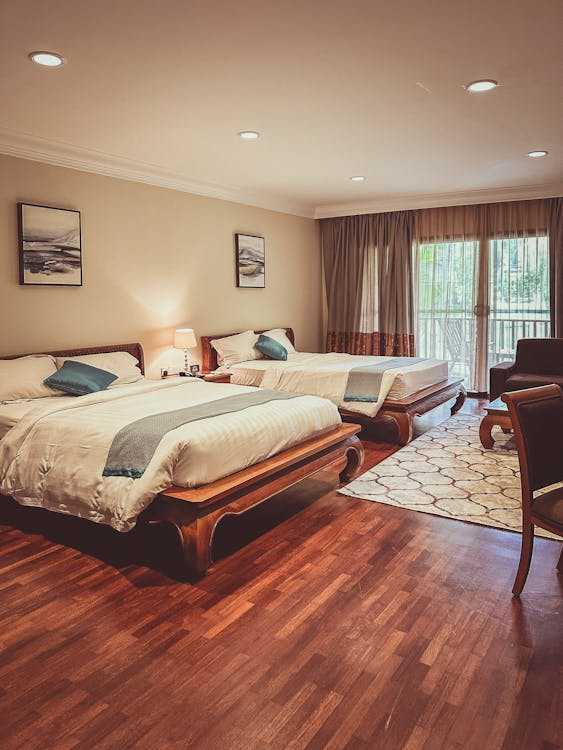
Benefits of Wood Look Tiles
(Source)
We will be deconstructing wood-look tile types, but before we do, it is worth stopping to consider the macro benefits of selecting them. These advantages precondition the reasons why they are gaining so much popularity- and why they should be taken seriously.
Durability and Resistance
The toughness of a tile resembling wood is one of the greatest advantages of such a tile. Porcelain tile is very strong against moisture, stains, and scratches, unlike real wood. This implies that spills by children or pets do not imply warping or damage.
These tiles are able to withstand heavy foot traffic that real wood may not. They have a very low water absorption rate and are therefore suitable in wet places. With time, they maintain their appearance much better than most of the natural materials.
Simple Maintenance and Cleaning
Wood-look tile is easy to clean. You do not require any special oil or wax treatments, as is the case with hardwood. A normal mop and a light cleaner suffice. Grout lines can be brushed every now and then, but not too hard.
The surface is non-porous (particularly in porcelain), so the stains do not go deep. This no-hustle life gives more time to do other enjoyable activities than to maintain the house- no refinishing, no sanding, no stress.
Cost Effectiveness
Even though the porcelain wood tile of high quality might be a little more expensive initially, the savings in the long term are enormous. It does not need to be refinished, stained, or repaired as with real wood. Those savings on maintenance accumulate over decades.
In addition, these tiles are long-lasting and, therefore, replacement costs are not a big issue. A wood-look tile can be a winner when comparing it to the lifecycle costs of hardwood. Besides, its durability against wear and tear provides relief to the budget-conscious families.
Design Versatility
Wood-effect tiles have a massive range of design options. There are tones of bleached oak to deep walnut. Patterns may be plank, chevron, or rustic reclaimed wood. Wood-look ceramic tiles are suitable for both classic and modern appearances.
Dynamic layouts can be mixed with tile sizes. They can be combined with contemporary furniture or with rustic style. This flexibility makes sure that the beauty of wood remains, yet the longevity of tile glows.
Types of Wood Look Tiles
(Source)
There are three general categories of wood-look tiles: porcelain, ceramic, and luxury vinyl. Porcelain is the most resistant to water. Ceramic is a cheaper alternative in terms of weight, and luxury vinyl introduces flexibility and softness. Knowing how these categories operate, you will be able to choose the one that suits your needs and style.
Porcelain Wood Tiles
Porcelain wood tile is produced out of compact clay and baked at extremely high temperatures. That renders it highly strong and waterproof. It is highly suitable in bathrooms and kitchens because its rate of absorbing water is almost zero.
It is cool and firm to walk on, and it may be more difficult to install, but when it is laid, it is here to stay. On locations that are open to water or high traffic, it is the rock-solid option of wood-like tiles.
Ceramic Wood Tiles
Ceramic versions have all the appearance of wood but are slightly more porous than porcelain. It implies that they can absorb more water, hence they are better suited to living conditions or dry regions.
They are also lighter and tend to be thinner than porcelain and, therefore, easier to cut and install. And since the price of the raw material is cheaper, wood-like ceramic tiles tend to be cheaper. They make a clever choice in case of style-first installations.
Wood Finish Luxury Vinyl Tiles
Alternative products are luxury vinyl wood tiles that are flexible and soft to the floor, which are more forgiving when they fall. They consist of printed wood-grain synthetic layers, frequently containing a waterproof core.
These tiles are easy to install as they can be clicked together. Although they do not last as long as porcelain, they are warm and comfortable to touch, and look like wood. They are also less heavy to carry and put up.
Selecting the Tile to Use in Your Space
The choice of porcelain, ceramic, and vinyl depends on usage. Porcelain wood tile is the best in bathrooms or wet rooms. At home, you may bend towards ceramic or luxury vinyl. Take into account foot traffic: vinyl is not as resistant to scratches as porcelain.
Budget is also a factor: porcelain is more expensive, but more durable. Another consideration is underfloor heating: both porcelain and vinyl are compatible with heating systems. Correspond to the space and lifestyle.
Design Ideas and Applications

(Source)
Wood-like tiles not only work well, but they are also beautiful in most places. We examine their creative uses and their strengths below. These are the most practical design concepts and the most effective uses of wood-look tile. You can use these tips to select layout, patterns, room fits, and decor, whether you are remodeling or building new, to ensure that you get the most out of both style and functionality.
Wood Look Tiles: Best Rooms
These tiles are very effective in the bathroom, kitchen, basement, and living room. Waterproofing is superior to wood in bathrooms. Kitchens have the advantage of surfaces that are easy to clean. Basements stay dry and safe.
You can enjoy the natural warmth of timber in the living room without the fear of scratches or humidity. Furniture can be painted or stained to match wood colors to give a unified appearance.
Popular Patterns
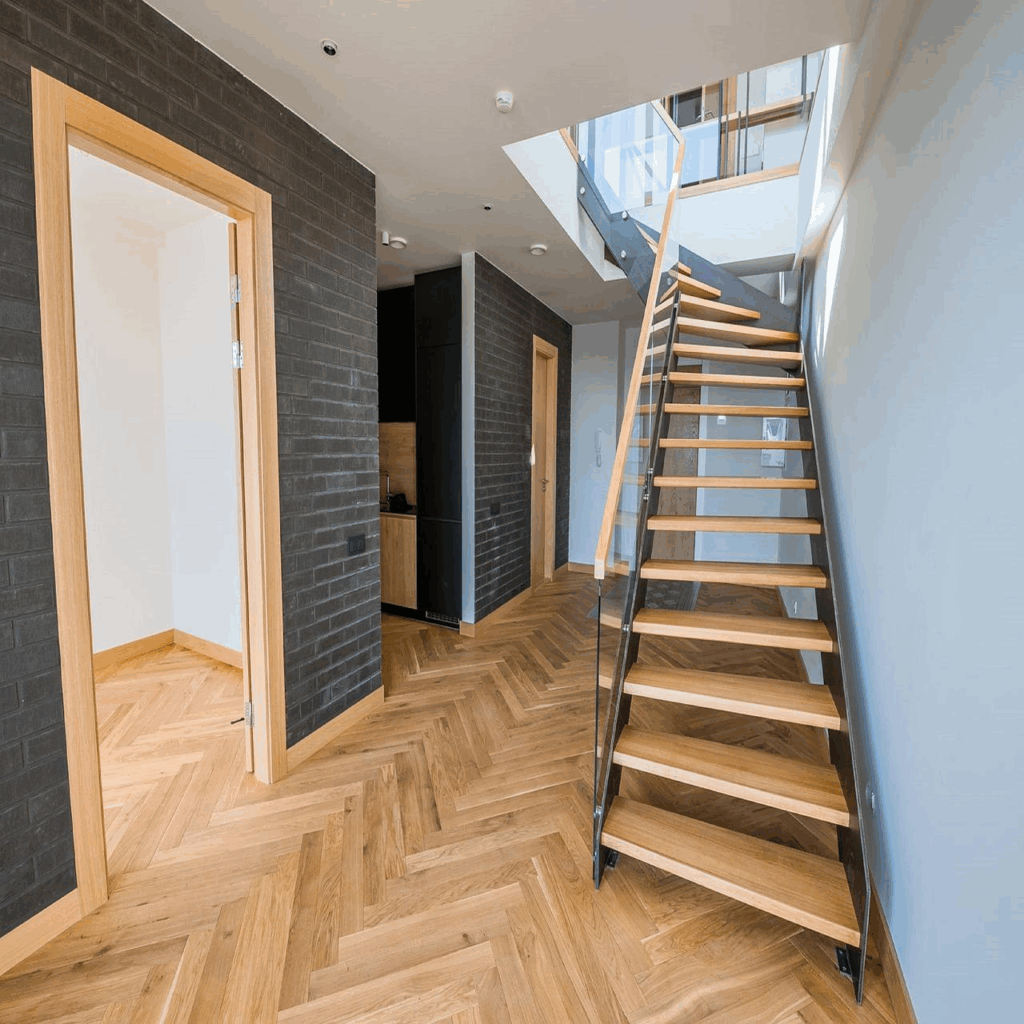
You are able to lay wood-effect tile, such as actual planks. Select straight, staggered, or herringbone. A herringbone design is a classy touch, and a straight design is straightforward and traditional.
To be rustic, combine lengths and widths–this is imitating reclaimed wood. Scale visually by using narrow planks in small rooms and wide planks in open ones. The style bar is also elevated by borders or insets of contrasting colors.
Final Takeaway
A tile that looks like wood offers the best of both worlds: the warmth of wood and the strength of tile. With options like porcelain wood tile, ceramic, or luxury vinyl, you can match style to your space. These floors last, resist moisture, and are low-maintenance. Embrace wood-effect flooring for a smart, stylish upgrade with no compromises.
Contact George Group to explore beautiful, long-lasting wood-look flooring options that suit your lifestyle.