By George House/06,Apr,2026
A shop window creates the atmosphere even before a customer steps in. Good first impressions are usually dependent on well-planned storefront windows that attract and create trust. Business owners invest in glass systems that are balanced in terms of style, safety, and efficiency.
Exterior improvements can boost the number of customer visits by a significant amount. That makes smart design decisions worth the dollar.
Contemporary business environments are based on straight lines, openness, and resilience to remain competitive. This guide is a breakdown of types, costs, and design tips to ensure you have a storefront that works hard on a daily basis.
The Importance of Storefront Windows in Business

(Source)
The storefront windows determine the perception of the customers of a business before entering. They affect perception, comfort, and safety. The following are the reasons why design, lighting, and security features influence customer behavior and overall performance in commercial spaces.
Curb Appeal and Brand Identity
An impressive facade attracts people without uttering a single word. Storefront windows assist in establishing brand identity in terms of design, materials, and layout. Transparent glass makes it open, and colored ones imply privacy and exclusivity.
According to a research report, retail traffic can be influenced by visual appeal by more than 40 percent. That is the influence of design on business. Frames, colors, and signage should be in line with the brand message.
Sleek glass front is more appropriate in modern retail, whereas framed systems can be used in traditional stores. Everything is a message, and customers tend to make a reaction within seconds of viewing the storefront.
Light and Inner Space
Natural light alters the mood of people within a space. Storefront windows enable the sunlight to enter the interiors and provide a brighter and more welcoming environment. According to the U.S. Department of Energy, daylighting has the potential to cut the lighting energy consumption by 75%.
This reduces operating costs in the long run as well. Light interiors are open and friendly, and this makes customers spend more time. The employees also enjoy improved lighting conditions at work. Light environment creates comfort and enhances mood. This impact favors sales and employee output in crowded business areas.
Security and Protection of Assets
Security is one of the most important concerns of any business owner. Storefront windows should be able to secure assets without losing visibility. Glasses that are laminated and tempered are more resistant to breakage.
Most importantly, reinforced glass may slow down forced entry attempts. The additional time will prevent theft and minimize damage. There is also the added protection of security films.
Exposure to the outside world can prevent crime. Powerful glass systems provide a balance between transparency and security, which does not obstruct the day-to-day activities but makes the space seem closed and hostile.
Typical Storefront Window Systems
(Source)
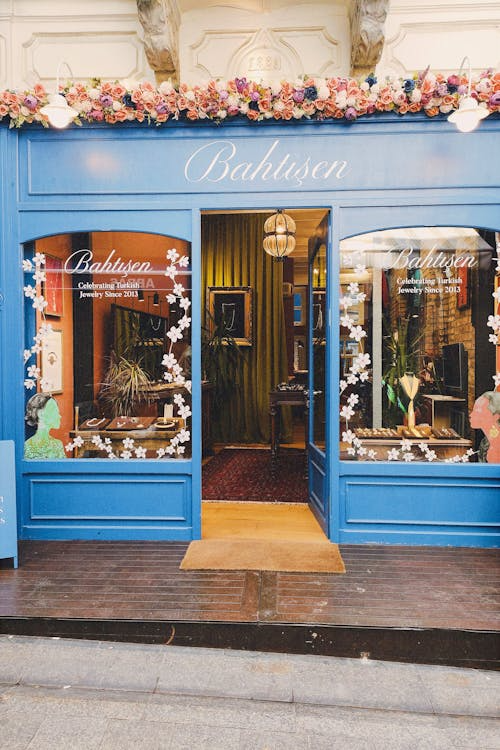
Various companies need various glass systems depending on the location, design, and purpose. Storefront windows are available in a variety of styles that satisfy these requirements. Let’s describe typical choices in commercial spaces and their performance.
Hurricane-Rated and Impact-Resistant Glass
Some places need greater resistance to severe weather conditions. Storefront windows that are impact-resistant have laminated layers that are held together during forceful impact.
According to the Federal Emergency Management Agency (FEMA), impact-rated glass has the potential to minimize the damage caused by storms. This kind of glass shields interiors against debris and high winds. It also provides an extra security against break-ins.
This investment is beneficial to businesses in the coastal or high-risk regions. Costs can be increased, but the additional protection can often avoid costly repairs. This renders it an effective option for long-term application in open business areas.
Low-E And Tinted Glass With Low Energy Consumption
Business owners have turned their attention to energy efficiency. Storefront windows have low-emissivity coatings to regulate heat transfer. According to the U.S. Department of Energy, Low-E glass has the potential to save up to 30% of energy.
Colored glass also prevents glare and heat loss on hot days. These characteristics enhance comfort within the building.
Less energy consumption results in lower utility bills in the long run. Customers are more relaxed in controlled settings. This gives a more enjoyable shopping or working experience. Green glass is energy efficient and helps to promote sustainability, but it has a sleek look.
Silencing Laminated Glass
In crowded cities, noise is an issue. Storefront windows are laminated to minimize the noise outside, making the interior a quieter place. Noise minimization enhances concentration and comfort in the workplace.
This is a kind of glass that employs several layers to prevent sound vibrations. In addition to that, this feature is very beneficial to businesses that are located close to roads or busy streets.
The customers are able to have a more peaceful environment, which improves their experience. It is also easier for employees to focus on their tasks by employees. This upgrade will be comfortable without altering the appearance of the storefront.
Design Secrets to a Contemporary Business Area
(Source)
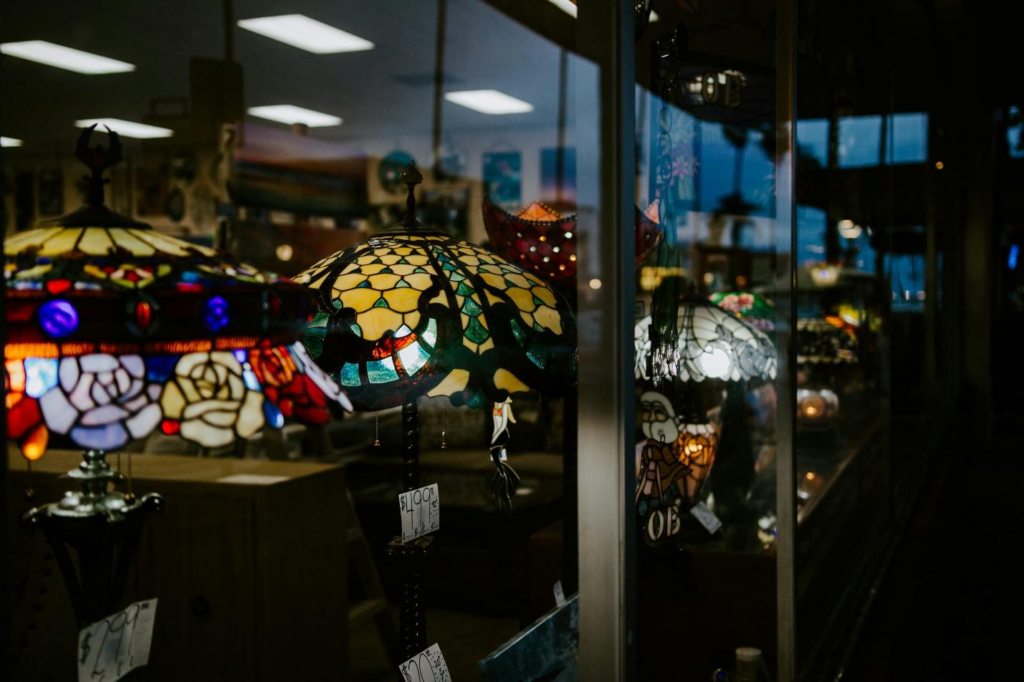
Intelligent design choices assist storefront windows in working and appearing attractive. Each detail affects customer engagement with a space. The tips below point out how to enhance visibility, functionality, and style in business areas.
Getting As Much Visibility As Possible With Large Panes
The interior and the street are strongly connected visually by large glass panes. Products and displays can be clearly seen through storefront windows with wide panels. This transparency welcomes individuals to come in. The fewer frames, the fewer visual interruptions.
This helps to stay focused on what is important. Companies are able to emphasize important things without being distracting. Open and clean designs are also contemporary and friendly. This is effective in retail stores, cafes, and showrooms that are located in high-traffic locations.
Incorporating Entry Systems and Hardware
Hardware and doors should be consistent with the storefront windows. Smooth entry system enhances functionality and looks. Handles, locks, and hinges must be in keeping with the general design. The correct positioning of doors facilitates traffic movement.
High-traffic areas can be equipped with automatic doors. Smaller businesses can be served by manual systems. Finishes on hardware must remain the same as the brand. These details may seem small, yet they shape daily interactions. A well-integrated system improves convenience and supports a positive customer experience.
Strategic Use of Transoms and Sidelights
Transoms and sidelights add both height and depth to storefront windows. These elements allow more light to enter the space. They also create a sense of openness without changing the main structure. Transoms placed above doors extend vertical lines.
Sidelights frame entryways and improve visibility. These features help balance proportions in the design. Businesses can use them to highlight entrances and guide customer movement. This creates a more inviting and functional storefront layout.
Install Storefront Windows With the Help Of George Group!
Storefront windows shape visibility, safety, and customer experience in busy commercial spaces. Smart choices improve both style and performance over time.
George Group delivers reliable storefront solutions with expert craftsmanship that help businesses stand out and operate with confidence.