By George House/1,Sep,2025
White oak doors are valued for their visible grain, warm neutral color and ability to work in both traditional and modern interiors. A reliable selection, however, depends on more than the timber name. Door construction, veneer matching, moisture condition, finish, dimensions, hardware preparation and installation details all affect the completed result. This guide explains how to compare white oak door options and prepare a clearer project specification.
What to Specify for White Oak Doors

Begin with the door schedule and the intended location. Record whether each leaf is for an interior room, an entrance, a humid area or another exposure. Then define the required construction: solid timber, engineered core with white oak veneer, framed panel, flush or glazed. Each option has different visual, weight, cost and hardware implications, so compare complete door assemblies rather than surface appearance alone.
The project windows and doors hub provides a useful starting point for coordinating door leaves, frames, glazing and hardware. For white oak, ask the supplier to identify the species, cut, grade, veneer thickness where applicable, grain direction and matching method. A physical sample should represent the proposed finish on the actual substrate—not just a generic wood swatch.
Compare Construction, Grain and Finish
- Solid timber: confirm moisture condition, lamination or board arrangement, movement allowances and maximum approved leaf size.
- Veneered construction: confirm the core, lipping, veneer sequence, grain match and edge treatment.
- Panel doors: review stile, rail and panel proportions, joint appearance and finish build-up at profiles.
- Glazed doors: coordinate glass type, bead detail, safety requirements and the relationship between openings and grain.
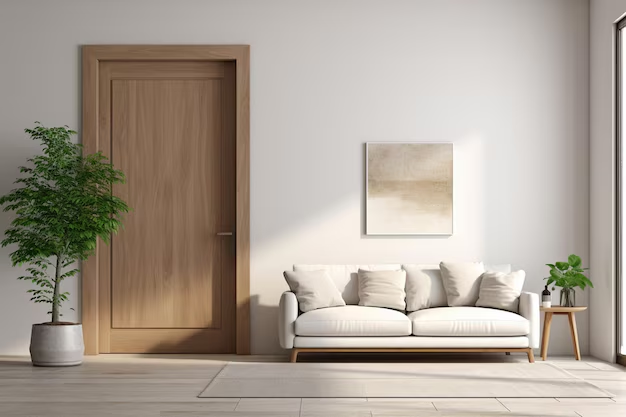
Finish samples should show color, sheen, pore appearance and expected variation. Clear coatings retain more of the natural character, while stains can shift tone and reduce or emphasize contrast between boards or veneer leaves. Review samples beside the floor, wall, cabinetry and metal finishes under project lighting. For exterior or wet-area use, do not assume that the wood name alone makes the assembly suitable; request a system specifically designed and warranted for the exposure.
Coordinate Size, Frame and Hardware
Use the approved opening survey and door schedule instead of ordering from a nominal label. The standard interior door size guide explains the relationship between leaf and opening dimensions, while the parts of a door guide helps identify frames, stops, thresholds, seals and hardware. Confirm handing, swing, clearances, floor-finish build-up and required clear opening before fabrication.
White oak leaves may need hardware selected for the actual leaf size and weight. Coordinate hinge or pivot capacity, lock case preparation, handle backset, closer, drop seal and access-control components. Factory machining should follow an approved hardware schedule and template. If accessibility or furniture movement matters, use the door width and clear-opening guide as an early planning reference, then confirm the governing project requirements.
Care, Installation and Site Protection

Store doors flat or as the manufacturer directs, in a dry and protected interior area. Do not install before wet trades and major humidity-generating work are under control. Inspect leaves, frames and finish samples before installation, and protect visible faces from impact, adhesive, dust and standing moisture. Cleaning products should be compatible with the approved coating; abrasive pads and unapproved chemicals can change the sheen or damage the surface.
Cost Factors and RFQ Checklist
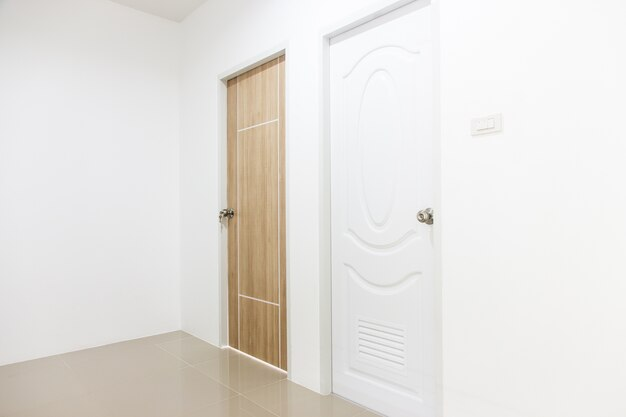
Price is influenced by construction, dimensions, veneer matching, profiles, glazing, frame material, finish, hardware preparation, quantity, testing, packing and delivery. A low door-leaf price may exclude frames, architraves, seals, ironmongery, installation or site protection. Request comparable quotations against one coordinated schedule.
- Door marks, quantities, locations, handing and approved opening dimensions.
- Leaf and frame construction, species, grade, veneer and edge details.
- Finish reference, color, sheen and physical sample requirements.
- Glazing, acoustic, fire, security or environmental requirements where applicable.
- Hardware schedule, factory preparation, installation and protection scope.
- Shop drawings, samples, delivery sequence, spare materials and warranties.
For a project-specific comparison, send your door schedule, drawings and finish references. A complete RFQ helps suppliers price the same scope and makes technical review more transparent.