By George House/09,May,2026
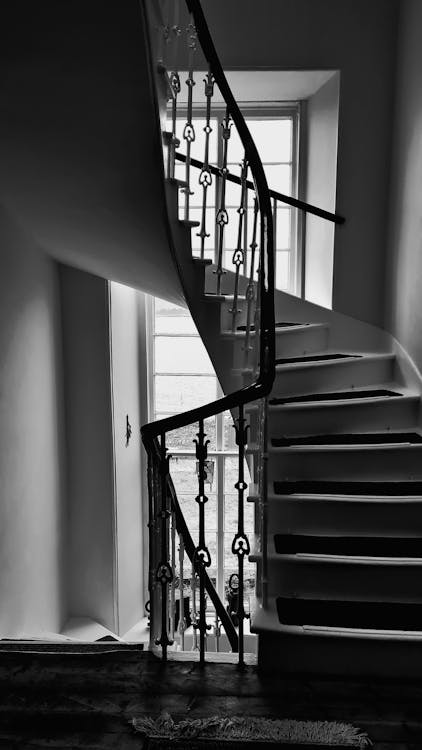
(Source)
The parts of a staircase work as one system. Treads and risers define the walking surface, stringers or other structure carry loads, landings connect flights, and handrails and guards support safe movement. Their dimensions and connections must be coordinated with finished floor levels, headroom, openings, wall build-ups and the project’s applicable requirements.
This guide explains the main component names and the checks needed before shop drawings or fabrication are approved. It uses dimensions only as topics to verify, because allowable rise, run, guard height, handrail height and opening limits vary by project location and building use.
Main Parts of a Staircase
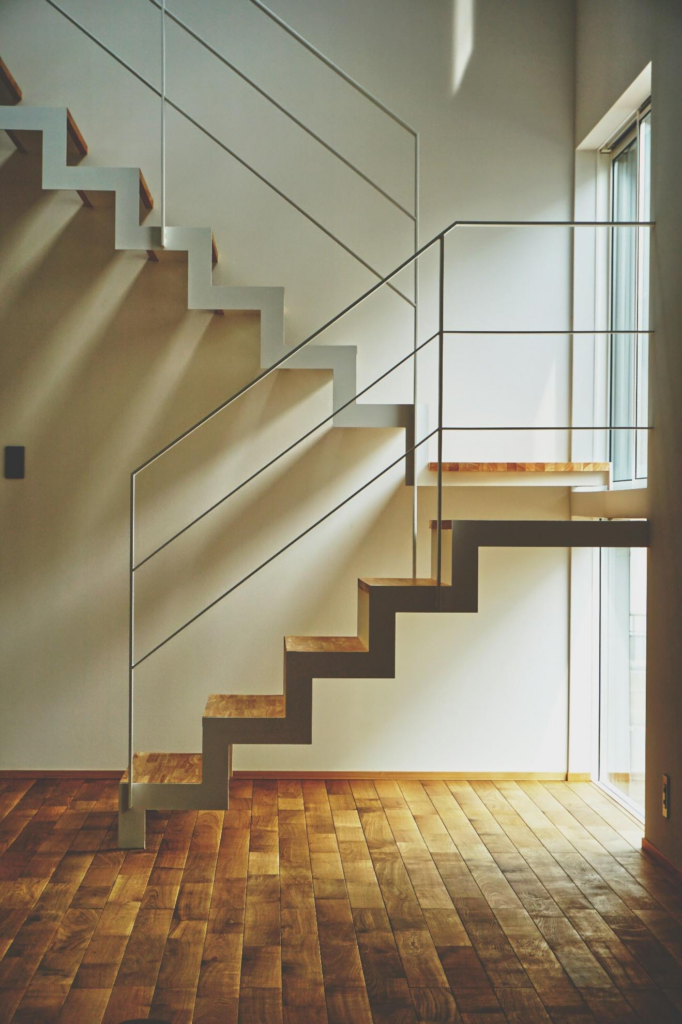
(Source)
Tread
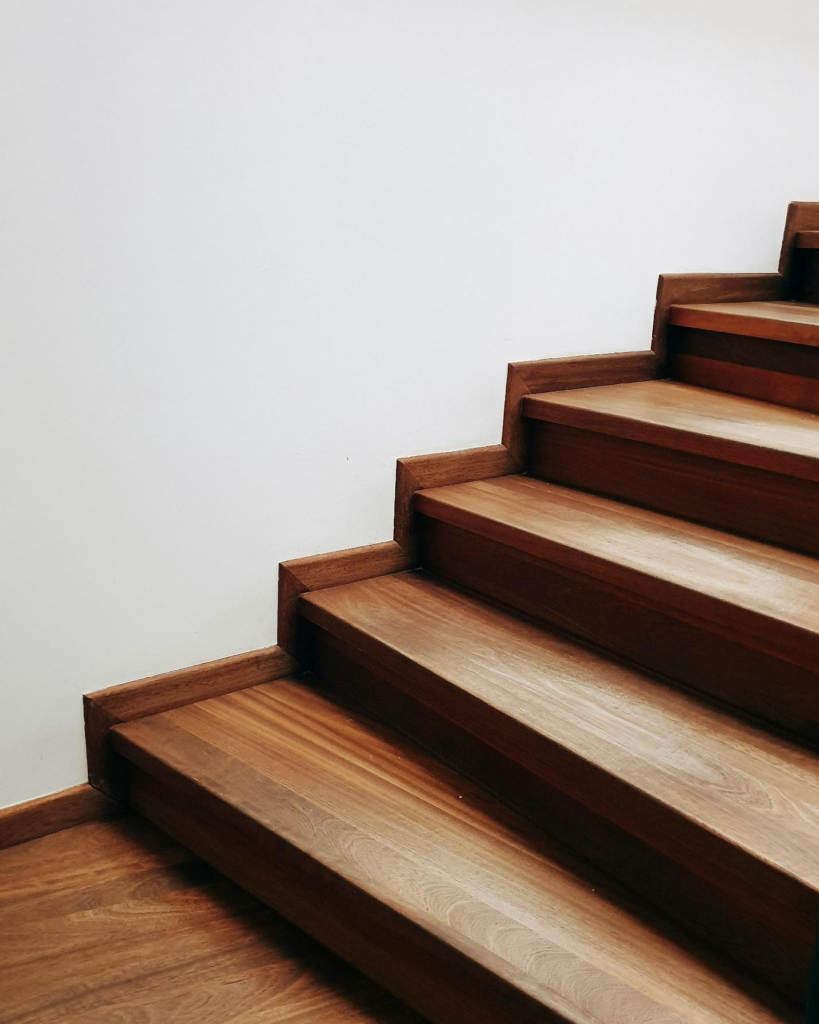
The tread is the horizontal surface that receives each step. Its finished depth, surface, nosing and consistency affect walking comfort and slip risk. Confirm the dimension at the walking line where required, the selected finish thickness and the interface with the riser or open edge.
Riser
The riser is the vertical distance between consecutive treads. It may be closed with a board or panel, or open where the design and applicable requirements allow. Stair calculations should use the finished levels and finish build-ups so the first, intermediate and final risers remain consistent after flooring is installed.
Nosing
The nosing is the leading edge of a tread. Depending on the staircase system, it may project beyond the riser, align with it or use a separate profile. Review the projection, edge radius, visual contrast, slip resistance and compatibility with the selected tread finish.
Stringer and Support Structure
A stringer is an inclined structural member that supports treads and risers. Timber stairs may use cut or housed strings, while steel stairs may use side plates, channels, box sections or a central spine. Concrete stairs rely on a slab, waist or other engineered support. The structural design, deflection, vibration, fire protection and connections require project-specific engineering.
Flight
A flight is a continuous series of steps between floors or landings. Its width, number of risers, direction and headroom should agree with the plans, sections and circulation requirements. Changes to floor-to-floor height can affect every riser in the flight.
Landing
A landing is a level platform at the top, bottom or between flights. It supports changes in direction, provides space at doors and divides a long rise. Coordinate landing size and level with door swings, corridor widths, floor finishes and the supporting structure.
Handrail
A handrail is the graspable component used for support while ascending or descending. Review its height from the correct stair datum, profile, continuity, returns, wall clearance, brackets and end conditions. See the separate stair handrail height guide for the measurement points that need confirmation.
Guard, Balustrade and Balusters
A guard protects an open side or elevated edge. A balustrade is a guard assembly commonly formed by posts, balusters or panels and a top rail. Balusters are the repeated vertical members between supports. Handrail and guard functions may be combined, but they are not interchangeable: each function must satisfy its own height, opening, load and continuity requirements.
Newel Post
A newel is a substantial post at a stair end, turn or landing. It can anchor the handrail and guard while providing a visual transition. Its connection to the stair or floor structure is more important than its decorative profile. The complete wooden-railing staircase guide shows how posts, rails and infill relate to the overall system.
Stair Geometry and Finished Datums
(Source)
Rise and going or run must be calculated from verified finished levels, not an assumed structural opening alone. Include screed, stone, tile, timber flooring, underlay and landing build-ups. Confirm total rise, number of risers, individual finished rise, tread depth, nosing, stair angle, flight width, landing length and headroom as one coordinated set.
Rules of thumb such as “7–11” can be useful during early concept work, but they do not establish compliance. The approved drawings must use the requirements that apply to the project type and location. Dimensional uniformity is also critical: a small finish change at the top or bottom can create an inconsistent riser even when the structural stair was set out correctly.
Materials, Structure and Connections
| System | Typical coordination points |
|---|---|
| Timber | String size, moisture condition, tread and riser joints, squeak control, finish thickness, post and handrail connections. |
| Steel | Member size, welds and bolts, base plates, corrosion protection, fire protection, vibration and interfaces with timber, stone or glass. |
| Concrete | Structural reinforcement, cast-in items, finish allowances, edge details, railing anchors and tolerance correction. |
| Glass guard | Glass specification, edge clearance, channels or fittings, substrate reinforcement, drainage where exposed and replaceability. |
Do not finalize finishes before confirming how guards, skirting, wall linings, lighting and flooring meet the stair. Hardware and visible fixings should be included in the approved sample or finish schedule where appearance matters.
Special Staircase Configurations
Curved, helical, floating and alternating stair designs need additional set-out and connection review. A spiral staircase, for example, requires careful coordination of the central support, walking line, tread shape, opening, headroom and guard. Use these configurations only where their geometry and permitted use are accepted for the project.
For material and infill inspiration after the technical envelope is fixed, review these staircase railing ideas. Samples and mock-ups should confirm color, texture, joints, edge quality and the relationship between the railing and stair finishes.
Staircase Shop Drawing Checklist
- Floor-to-floor height and all finished-floor build-ups
- Plan, section, flight width, landing size, headroom and adjacent openings
- Total number of risers and consistent finished rise and tread dimensions
- Stringer, slab or spine structure and connection locations
- Tread, riser, nosing and finish details
- Handrail profile, height, continuity, returns and supports
- Guard height, infill openings, posts, glass or balusters and anchorage
- Interfaces with walls, doors, ceilings, services, lighting and floor finishes
- Material samples, finish references, fabrication tolerances and site-verification responsibility
Coordinate the Whole Staircase System
A component list is useful only when the parts are tied to verified geometry, structure, finishes and connections. Share the plans, sections, finished levels, material references and applicable requirements before fabrication. To review a staircase package for a villa, apartment, hotel or commercial project, send George House Material the available drawings and scope.