By George House/19,Jan,2026
The windows define the way a house feels, breathes, and works. Light changes mood. Airflow affects comfort. Size controls both. Homeowners often hear terms like standard window sizes or common window sizes without a clear meaning.
This misunderstanding results in mistakes in ordering and expensive replacements. Understanding average window size helps avoid setbacks during renovation or new construction.
This guide explains standard window dimensions by room and window type. Measurements are expressed in feet, inches, meters, and square feet. Eventually, the process of window sizing ceases to be a moving target and begins to be manageable.
What are Standard-Sized Windows?
Builders rely on standard window sizes to control cost and speed up installation. These dimensions are decades of construction standards. Common window measurements reduce structural changes and simplify ordering.
The U.S. Department of Energy recommends that standardized windows enhance the replacement efficiency, too. Most typical window sizes fall within predictable width and height ranges.
While custom windows exist, standard window dimensions dominate residential housing. Understanding these norms answers an important question many homeowners ask: What are standard-sized house windows?
How to Read Window Sizes?
The sizes of windows are in the width-height format. Width always appears first. Height follows. The measurements are normally in inches. Other suppliers make use of feet or meters. Knowing the standard window width and the standard window length avoids confusion.
One of the leading reasons for delays in installations is a misinterpretation of window sizes. Rough opening dimensions may also be added to labels. These openings are slightly larger than the size of the window. Learning this system makes comparing average-sized window measurements far easier.
Window Sizes by Type
Various types of windows have different functions. The sizing patterns of each type are different. When these differences are understood, it becomes possible to match design objectives to appropriate fit and functionality. Below are average window sizes by window type and how each impacts overall layout.
| Window Type | Standard Widths | Standard Heights | Professional Notes |
| Double-Hung / Single-Hung | 24″, 28″, 32″, 36″, 48″ | 36″, 48″, 60″, 72.” | The most common residential style. “3050” (3’x5′) is a standard bedroom size. |
| Picture Windows | 24″, 36″, 48″, 60″, 72.” | 12″ to 96.” | Since they don’t open, they can be much larger. Often used as “transoms” above doors. |
| Sliding Windows | 36″, 48″, 60″, 72.” | 24″, 36″, 48″, 60.” | Ideal for areas where exterior space is limited (patios/walkways). Usually wider than they are tall. |
| Casement Windows | 17″, 25″, 29″, 35″ | 29″ to 77.” | Hinged on the side. Excellent for ventilation and meets egress codes easily in narrow openings. |
| Awning Windows | 24″, 36″, 48″ | 17″, 23″, 29″, 35″ | Hinged at the top. Designed to stay open during rain. Often placed high on walls for privacy. |
| Basement (Hopper) | 30″, 32″, 36″ | 12″, 15″, 18″, 24.” | Hinged at the bottom. Fits into the small header space of a foundation wall. |
Picture Window Sizes
Picture windows give more emphasis to light and the outdoors. They are immobile and do not open. The average picture window size usually ranges from 48 to 72 inches wide and 36 to 72 inches tall. The bigger spans enhance natural lighting.
Most homeowners use such windows in their living rooms or staircases. When measured in area, the average window size in square feet for picture windows often exceeds 15 square feet. These windows provide visual openness and do not have airflow issues.
Single- and Double-Hung Window Sizes
The most widespread residential option is single and double-hung windows. The average window size in inches for these styles typically measures 24 to 48 inches wide and 36 to 72 inches tall. The average window size in feet often equals 3 by 5 feet.
Double-hung windows that can be opened to allow airflow. Single-hung types are cheaper. Both options follow predictable standard window dimensions, making them easy to replace.
Casement Window Sizes
The casement windows have outward-opening side-hinged casements. The average size of a window for casement styles usually ranges from 16 to 36 inches wide and 24 to 72 inches tall.
When closed, these windows close firmly. Narrow wall sections are suitable for taller profiles. They are appreciated by homeowners in terms of kitchens and bathrooms, where the airflow is the most important.
Bay Window Size
Bay windows are projected, and they contain several panels. The average window size for bay units depends on projection depth and side angles. The width of center windows is usually 48-72 inches.
Side panels are typically 18 to 24 inches in width. Such windows require structural support. Their sizing falls outside standard window sizes, yet they follow common proportions for balance and stability.
Awning Window Sizes
Awning windows swing at the top and outward. They are appropriate in rainy seasons as they are still in motion when it is lightly raining. The average window size in meters for awning styles often falls between 0.6 and 1.2 meters wide.
The heights are normally between 0.5 and 1.0 meters. BuildingScience.com claims that awning windows enhance the control of ventilation. They can be found above doors or even fixed windows. They are small enough to allow privacy without compromising on airflow.
Sliding Window Sizes
Sliding windows are opened on a horizontal track. They are suitable for broad wall areas. The average sliding window size usually ranges from 36 to 84 inches wide and 24 to 60 inches tall. The U.S. General Services Administration (GSA) says that sliding windows need less vertical clearance.
This renders them suitable for basements and contemporary houses. They move smoothly, which is appropriate in wide openings. These windows align closely with common window sizes used in newer construction.
Window Sizes by Room
The rooms have various functions. The size of windows is an indication of that functionality. These decisions are guided by light, privacy, and ventilation. Below are average window sizes based on room usage and building norms.
Normal Bedroom Window Size
(Source)
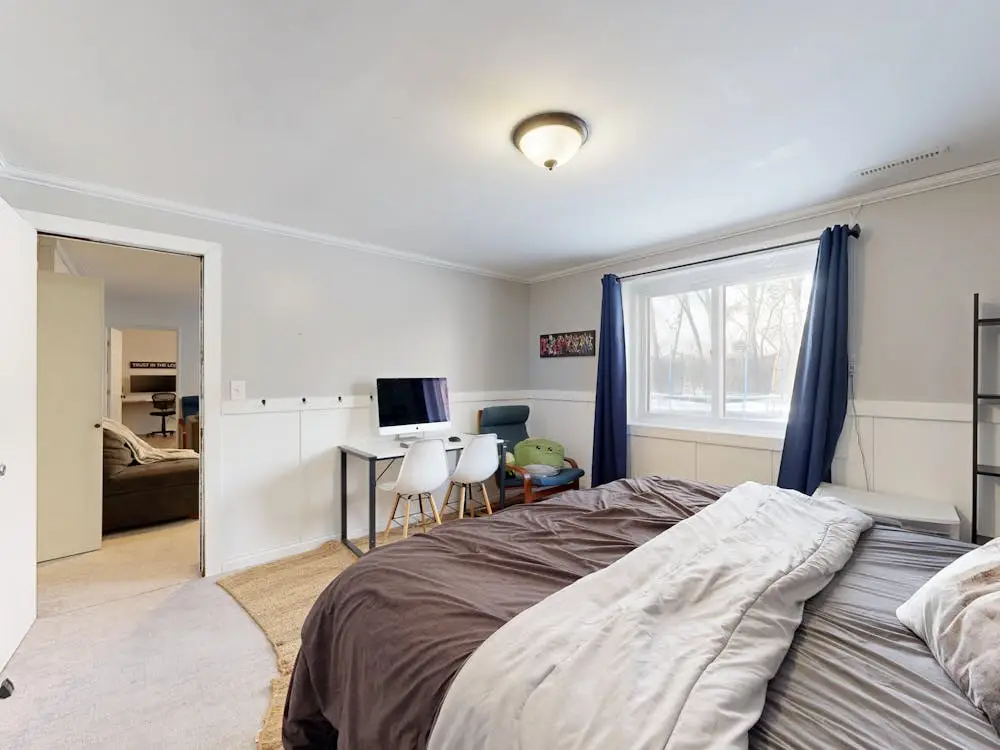
Safety Bedrooms should have egress windows. The average bedroom window size must meet local building codes. The International Residential Code (IRC) states that the egress windows should have a minimum of 5.7 square feet of clear opening.
Average bedroom windows are between 24 and 48 inches across and 36 and 60 inches in height. This aligns with average house window size standards. These are windows that are balanced in terms of safety, light, and privacy. Their percentages are the same in the majority of residential designs.
Normal Bathroom Window Dimensions

(Source)
Bathrooms are concerned with privacy and ventilation. The average size of a window in bathrooms often measures 18 to 36 inches wide and 24 to 48 inches tall. Frosted glass is still in use.
Smaller windows will facilitate this objective without jeopardizing privacy. These sizes fall within standard window dimensions while adapting to wall space limitations.
Standard Kitchen Window Sizes

(Source)
Kitchen windows often sit above sinks. The average kitchen window size usually ranges from 24 to 48 inches wide and 36 to 48 inches tall.
The average size of a kitchen window above the sink often measures around 36 by 36 inches. These windows also support ventilation. Their placement aligns with countertop height and cabinet spacing.
George Group is Here to Help You Out
Window sizing mistakes cost time and money. George Group helps homeowners choose the correct average home window size options from the start. We will explain average window size requirements clearly. Whether planning replacements or new construction, George Group simplifies the process with accuracy and care.
George Group delivers expert guidance, precise measurements, and dependable installation that brings clarity and confidence to every window decision.