Types of furniture are easier to compare when every item is tied to a room, task and measurable requirement. Start with the layout and item schedule, then define dimensions, construction, materials, finishes, quantities and delivery conditions before choosing a style.
Start With a Furniture Schedule
Assign each piece an item code, room, quantity, target size and reference image. Use the project furniture hub to connect those selections with samples, approvals, inspection and packing records.
Group Furniture by Function
Seating and Work Surfaces
Sofas, chairs, desks and tables should be checked for usable height, depth, support, clearances and intended activity.
Sleep, Storage and Display
Beds, wardrobes, cabinets, shelving and consoles need internal capacity, access, hardware and stability requirements recorded separately.
Select Furniture by Room
Room conditions change the shortlist. Entry furniture must protect circulation and door operation; the entryway furniture guide shows the related measurement and storage checks.

Measure Space and Clearances
Verify the room, doorways, lifts, stairs and delivery route. Test drawer, door and chair movement on the plan, and mark fixed services or skirtings that affect placement.
Review Construction
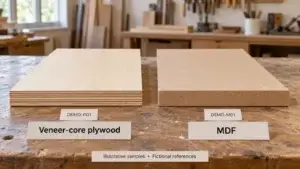
Request the proposed frame, panel core, joinery, supports, fillings, legs, bases and hardware. A style label does not define the complete construction.
Compare Materials and Finishes
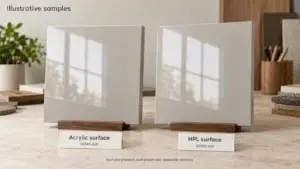
Record wood species or veneer, metal finish, stone or composite surface, glass, color, sheen and acceptable variation. Review exposed edges and frequently touched areas.

Coordinate Changing User Needs
Bedrooms and study areas may need adaptable storage, work surfaces and cable access. The teen bedroom furniture guide provides a useful room-specific comparison.
Check Outdoor Exposure
For exterior items, state whether the location is covered, its climate and cleaning plan, and the product evidence required. Compare those inputs with the aluminum outdoor furniture guide.
Approve Samples and a Prototype
Keep labeled finish, fabric and hardware samples. For customized or repeated pieces, review a prototype or first article before releasing the full quantity.

Plan Packing and Delivery
Confirm assembled or knock-down condition, package labels, protective materials, assembly hardware, spares and installation responsibility. Connect every package to its item and room code.
Build a Comparable RFQ
Ask suppliers to price the same schedule, dimensions, construction, finishes, upholstery, samples, packing and delivery scope. Record substitutions and exclusions beside the affected item.
Final Furniture Selection Check
Release the package only when plans, item codes, quantities, specifications, samples and logistics agree. For project support, send the furniture schedule and room plans.