By George House/16,Jul,2026
The main types of wood fences differ in privacy, airflow, view, wind exposure, material use and maintenance access. A style that works around a small garden may not suit a boundary exposed to strong wind, sloping ground or frequent moisture.
Select the complete system rather than the board pattern alone. Posts, foundations, rails, boards, gates, fixings, caps, preservative treatment and finish must be coordinated with the site and expected service conditions.
Wood Fence Types at a Glance
| Fence type | Typical character | Key checks |
|---|---|---|
| Solid privacy | Continuous boards limit views | Wind load, board movement, posts and drainage |
| Shadowbox | Alternating boards create a similar appearance on both sides | Privacy angle, airflow, rail fixing and material quantity |
| Picket | Open boundary with visible spacing | Picket gap, height, gate and local restrictions |
| Split rail | Open rural or landscape boundary | Containment need, rail spacing and ground condition |
| Horizontal slat | Linear contemporary appearance | Board span, movement, ventilation and fixing layout |
| Lattice | Filtered view or planted screen | Panel stiffness, support and climbing-plant load |
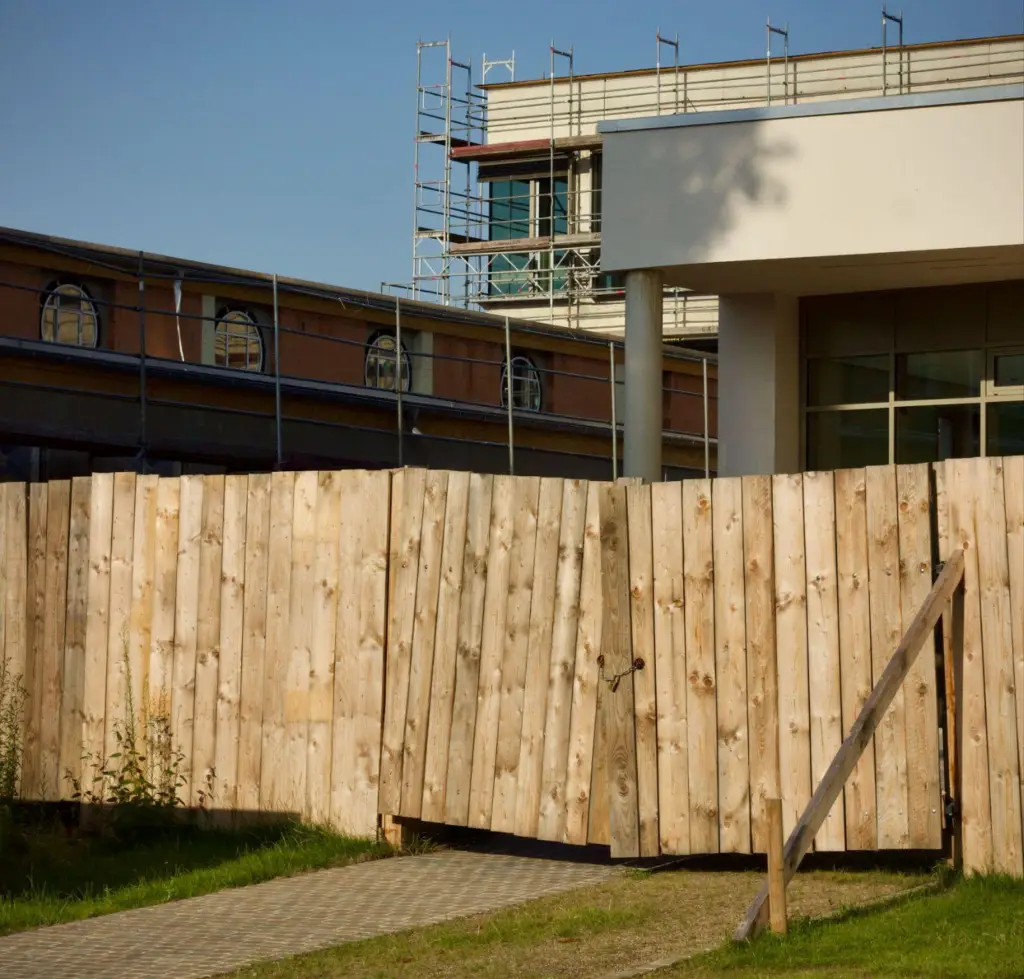
Solid Privacy Fences
Vertical boards fixed closely together provide a strong visual screen. The solid surface also receives more wind pressure than an open fence. Confirm height, post spacing, rail size, foundation, ground clearance and board movement for the site. Keep timber away from standing water and allow the lower edge to dry.
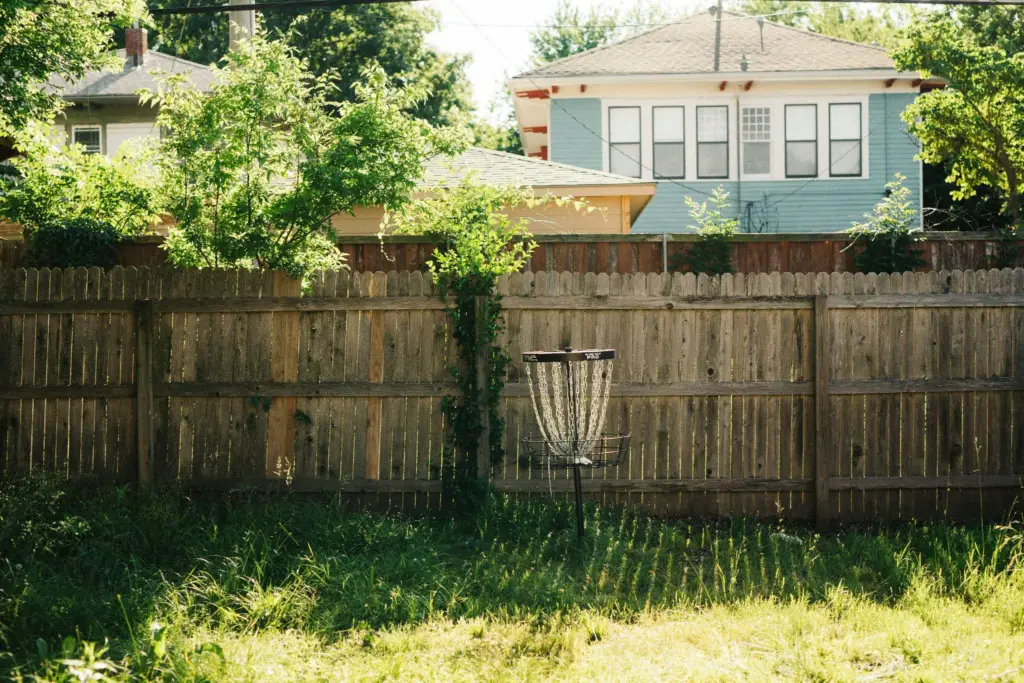
Shadowbox Fences
Boards alternate across the rails, creating depth and partial airflow. Privacy changes with the viewing angle and board overlap, so review a dimensioned section rather than relying on a front image. Alternating boards also affect the quantity, rail fixing and access needed to apply or renew the finish.
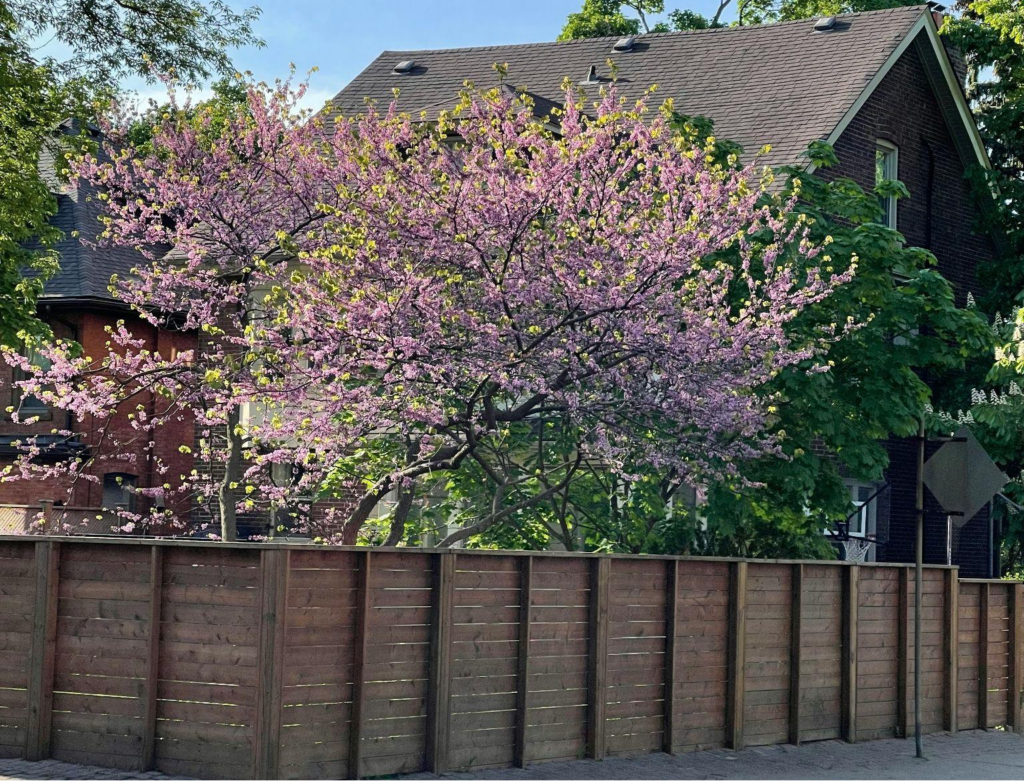
Picket and Split-Rail Fences
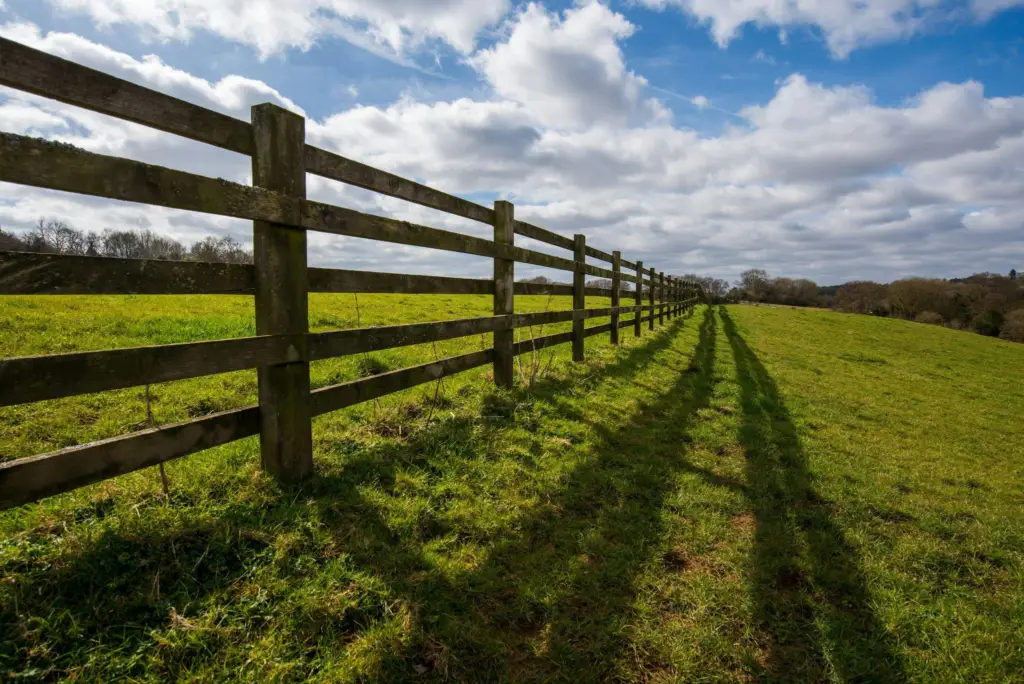
Picket fences define a boundary while preserving an open view. Confirm spacing, top profile, height and gate hardware, especially where local safety rules control openings. Split-rail fences use fewer components and suit open landscapes, but they do not automatically provide privacy, security or animal containment.

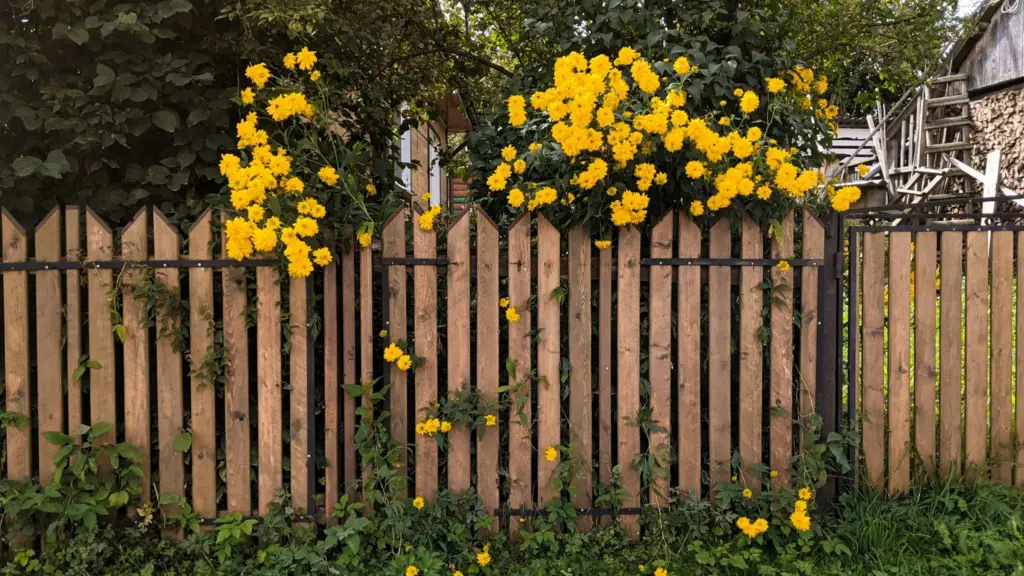
Horizontal Slat and Lattice Fences
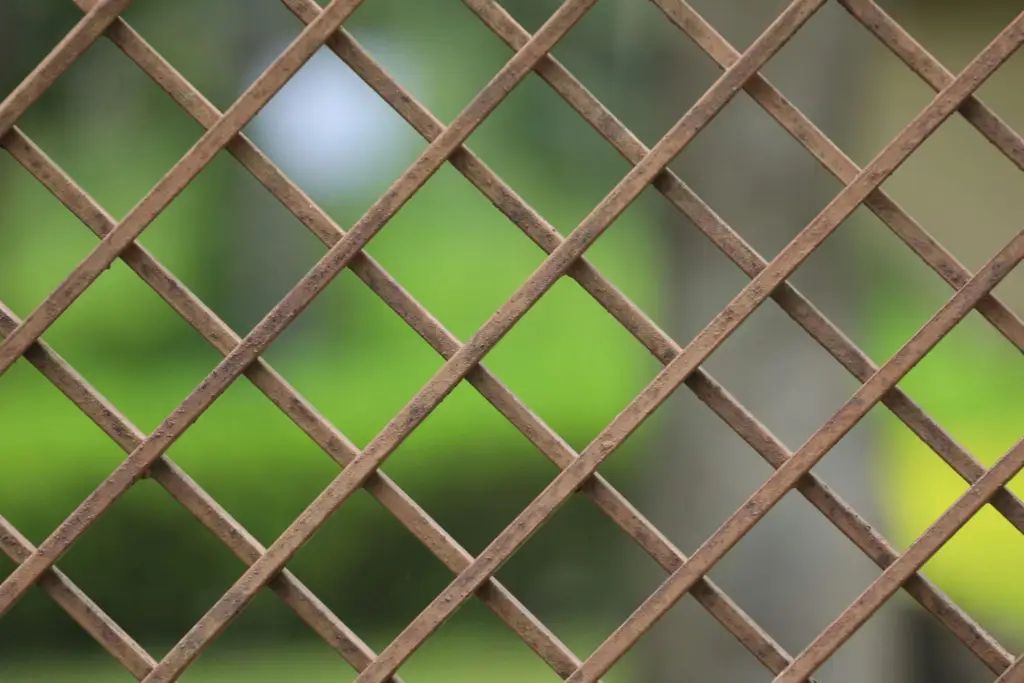
Horizontal boards emphasize long lines and can provide full or filtered screening. Check board span, support spacing, end fixing and expected movement. Lattice is normally supported as a panel or upper screen; its slender members need adequate framing and should not be assumed to carry unrestricted plant weight.
Compare Wood Species and Treatment
Cedar and Redwood
Cedar and redwood are commonly selected for their appearance and natural durability, but grade, sapwood content, moisture, dimensions, fasteners, finish and local availability vary. Ask for the exact species and grade rather than accepting a broad trade name.
Pressure-Treated Pine or Softwood
Treated softwood can be practical for posts and boards when the treatment category suits the intended exposure. Confirm preservative system, retention or treatment class, cut-end treatment, fastener compatibility, drying condition and any project documentation. Do not transfer one durability claim to every treated product.
Coordinate Posts, Foundations and Ground Contact
Post size, spacing and embedment depend on fence height, openness, wind, soil, slope, gates and local requirements. Separate timber from soil where the selected system requires it, manage water at foundations and avoid burying untreated board ends. Exterior assemblies need the same interface discipline described in the exterior home finish guide.
Specify Finish and Maintenance Access
Decide whether the wood will weather naturally, receive a penetrating stain or use a film-forming coating. Review color on the actual species and surface preparation. Coat concealed faces where specified and keep access for future cleaning and refinishing. Outdoor timber lessons from the pergola planning guide can help frame exposure and drainage questions.
Prepare the Fence Quantity and RFQ
- Fence line, height, slopes, corners and level changes
- Style, board layout, spacing and top profile
- Species, grade, treatment, moisture and finish
- Post, rail, foundation, fixing and cap system
- Gate sizes, handing, hinges, latches and stops
- Required samples, drawings, reports and spare materials
- Packing, labels, delivery sequence and installation scope
Use the building material sourcing guide to keep supplier offers aligned to one scope. A coordinated supplier review should still identify the actual timber, treatment and hardware being proposed.
Approve a Panel Sample and Inspection Basis
Review a representative panel or mock-up with the intended board spacing, fasteners and finish. Define inspection checks for dimensions, visible grade, treatment records, moisture where specified, machining, finish, hardware, quantities, labels and packing. Record permitted natural variation rather than expecting every board to look identical.
Wood Fence FAQ
What Is the Best Wood for a Fence?
There is no universal best species. Compare exposure, ground contact, available grade and treatment, desired appearance, maintenance plan, local supply and budget. The complete post, fixing and finish system matters as much as the species name.
What Should Be Sent for a Fence Quotation?
Send the site plan, fence line and height, style reference, slope information, gate schedule, material and finish preference, required documents, quantities, project location and delivery needs. Use the project material enquiry page to organize the available scope.
Finalize the Fence as a Complete System
The useful difference between types of wood fences is not appearance alone. Match privacy, airflow and layout to a verified species, treatment, post system, gate, finish and maintenance plan before quantities are released.