The best floor tile is the product that matches the room’s water exposure, slip-resistance requirement, traffic, substrate, maintenance plan and visual brief. Material names such as porcelain, marble or slate are only a starting point; the exact tile’s technical data and declared area of use should control selection.
This guide compares 10 common kinds of floor tiles and explains what to check before ordering. It preserves the familiar room-by-room view while adding the information needed for samples, BOQs and coordinated project procurement.
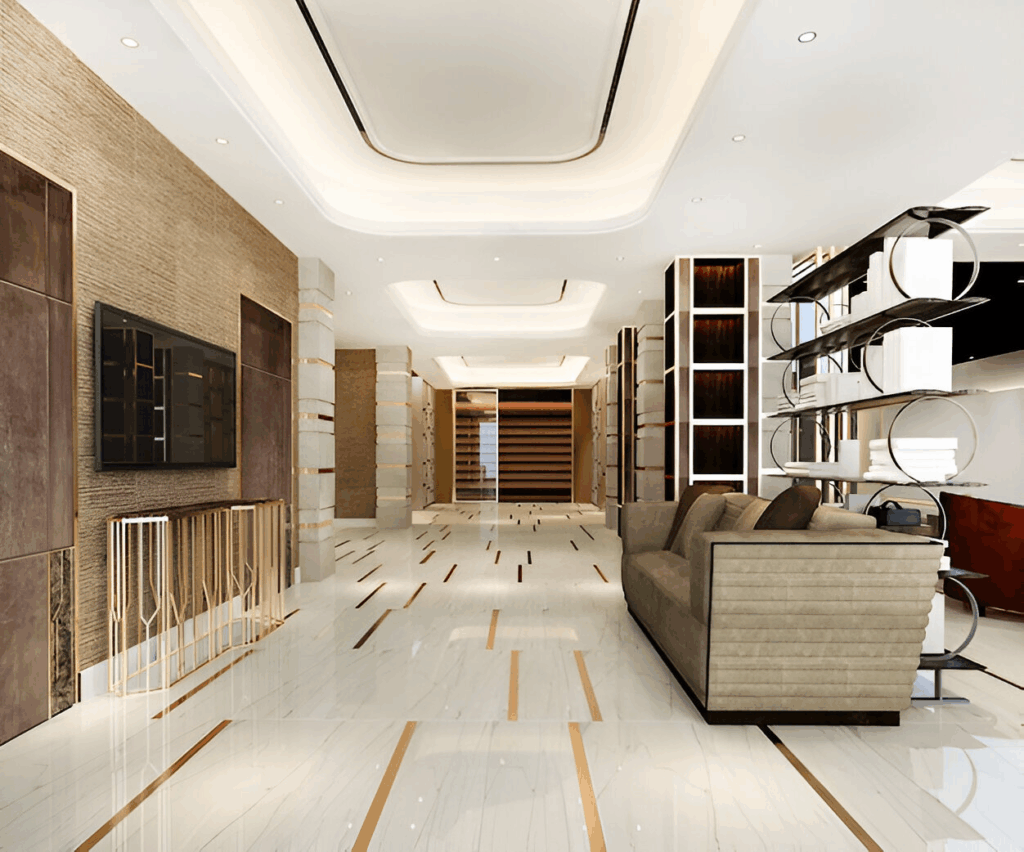
Quick Comparison of Floor Tile Types
| Tile type | Common project use | Main checks before selection |
|---|---|---|
| Ceramic | Residential dry areas and selected walls/floors | Floor rating, water absorption, wear, finish and product use |
| Porcelain | Residential and commercial floors, including many wet areas | Verified absorption, slip classification, thickness and installation system |
| Vinyl tile | Dry interior rooms and renovation work | Product construction, wear layer, substrate, heat/moisture limits and fire data |
| Marble | Feature floors, lobbies, bathrooms and living spaces | Variation, finish, slip, staining, sealing and stone suitability |
| Granite | High-traffic stone floors and selected exterior areas | Stone type, surface finish, thickness, slip and support |
| Slate | Textured interior or exterior floors | Cleft variation, thickness, calibration, sealing and cleaning |
| Travertine | Interior and exterior stone floors | Fill, finish, voids, sealing, freeze/thaw and maintenance |
| Mosaic | Showers, curved areas, accents and small-format floors | Base material, mesh, grout, slip, sheet alignment and cleaning |
| Cement tile | Decorative interior floors and accents | Sealing, thickness, staining, color variation and installation method |
| Terracotta | Rustic interiors, courtyards and regionally suitable exterior areas | Absorption, sealing, frost exposure, thickness and batch variation |
1. Ceramic Floor Tiles
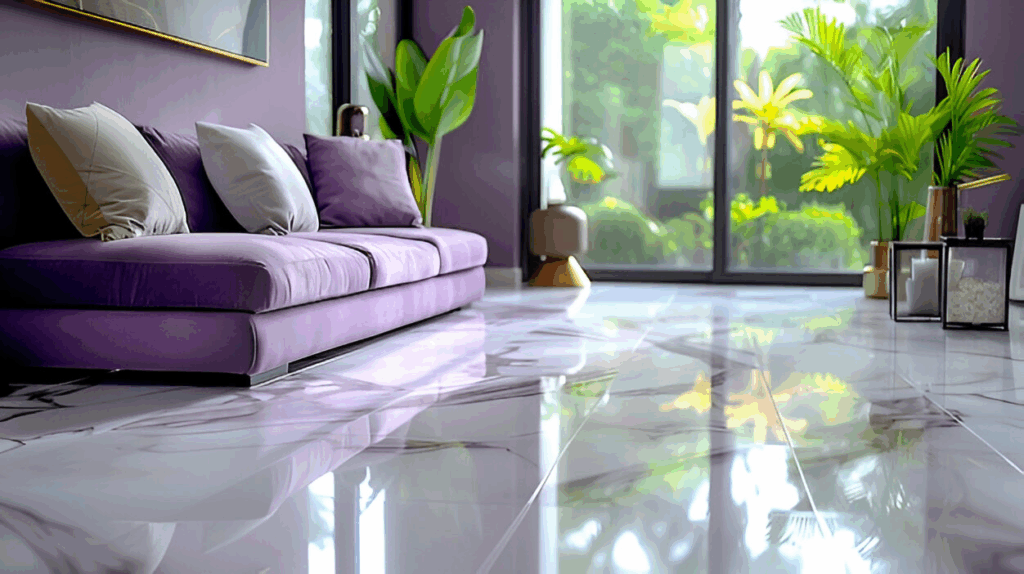
Ceramic tile is made from formed and fired clay, usually with a glazed or unglazed face. Products vary widely: a wall tile should not be assumed suitable for a floor. Confirm the manufacturer’s floor-use declaration, water absorption, surface wear and slip classification for the room.
- Often considered for: bedrooms, living areas, kitchens and other interior locations when the specific product is rated for that use.
- Selection advantage: broad choice of sizes, colors and patterns.
- Watch for: edge chipping, grout maintenance, wet-area slip and using wall-only products on floors.
2. Porcelain Floor Tiles
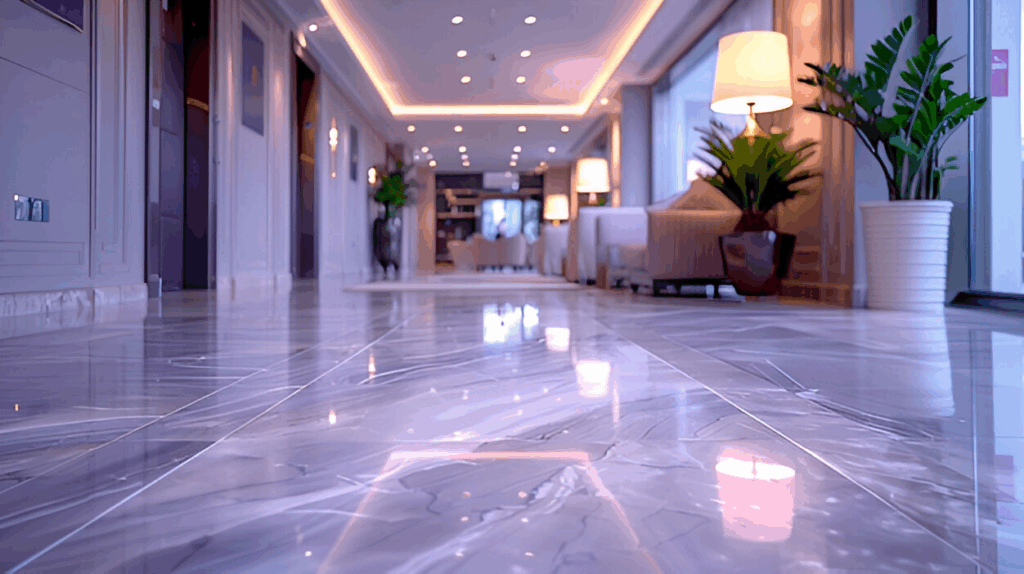
Porcelain is a type of ceramic tile defined by low water absorption. TCNA explains that a porcelain tile has water absorption of 0.5% or less when tested to ASTM C373. That classification does not by itself confirm slip resistance, exterior suitability, stain resistance or installation requirements.
- Often considered for: kitchens, bathrooms, corridors, retail and many exterior applications when the selected product is declared suitable.
- Selection advantage: low absorption and many stone-, concrete- and timber-look finishes.
- Watch for: dense material requiring suitable cutting and bonding products, polished wet-area slip and large-format substrate flatness.
3. Vinyl Floor Tiles
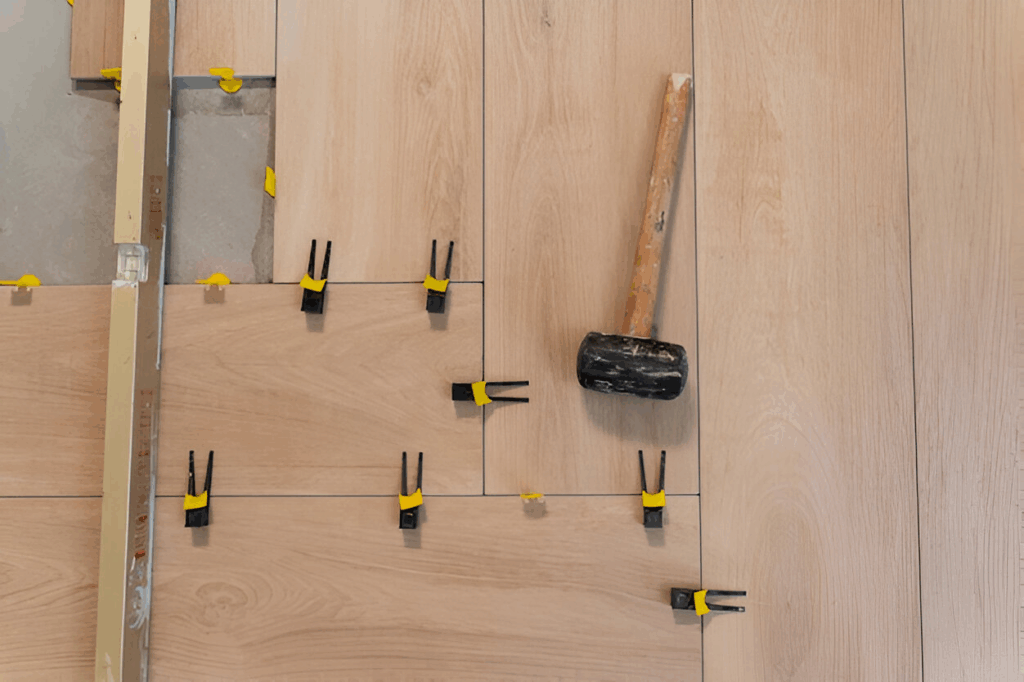
Vinyl tile is a resilient flooring product rather than fired ceramic. Luxury vinyl tile, composition tile and other constructions have different wear layers, backing, adhesives and environmental limits. Confirm the exact system instead of treating all vinyl tiles as interchangeable.
- Often considered for: bedrooms, offices, retail and renovation projects with a suitable dry, stable substrate.
- Selection advantage: low profile, varied designs and softer footfall than stone or ceramic.
- Watch for: substrate telegraphing, moisture limits, dimensional movement, rolling loads and manufacturer restrictions near heat or direct sun.
4. Marble Floor Tiles
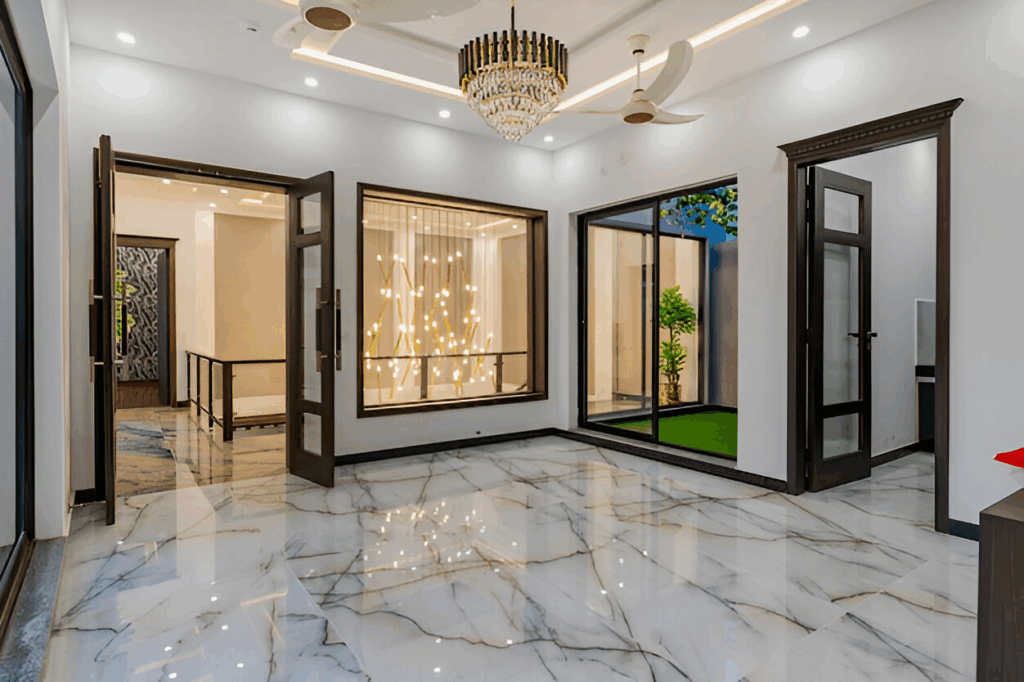
Marble is natural stone, so color, veining, fissures and performance vary by selection. Polished marble can be slippery when wet and may etch from acidic products. Review the finish, sealing plan, dry layout and maintenance expectations before approval.
- Often considered for: lobbies, living rooms, vanity areas and feature floors.
- Selection advantage: natural variation and a wide range of finishes.
- Watch for: staining, etching, wet-area slip, batch variation and stone-specific installation needs.
For stone selection and project submittals, review the marble product and coordination page.
5. Granite Tiles
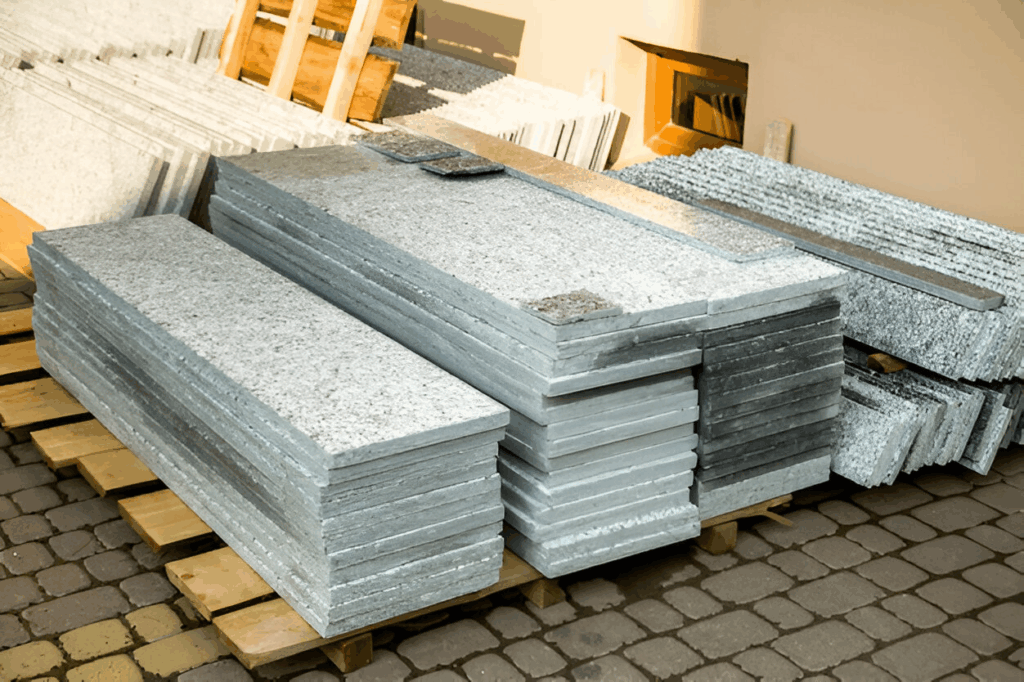
Granite tiles are cut from natural stone and can be polished, honed, flamed, brushed or textured. Granite is often selected for demanding floors, but the exact stone, finish, thickness and support determine suitability. A polished surface should not be assumed appropriate where it becomes wet.
6. Slate Floor Tiles
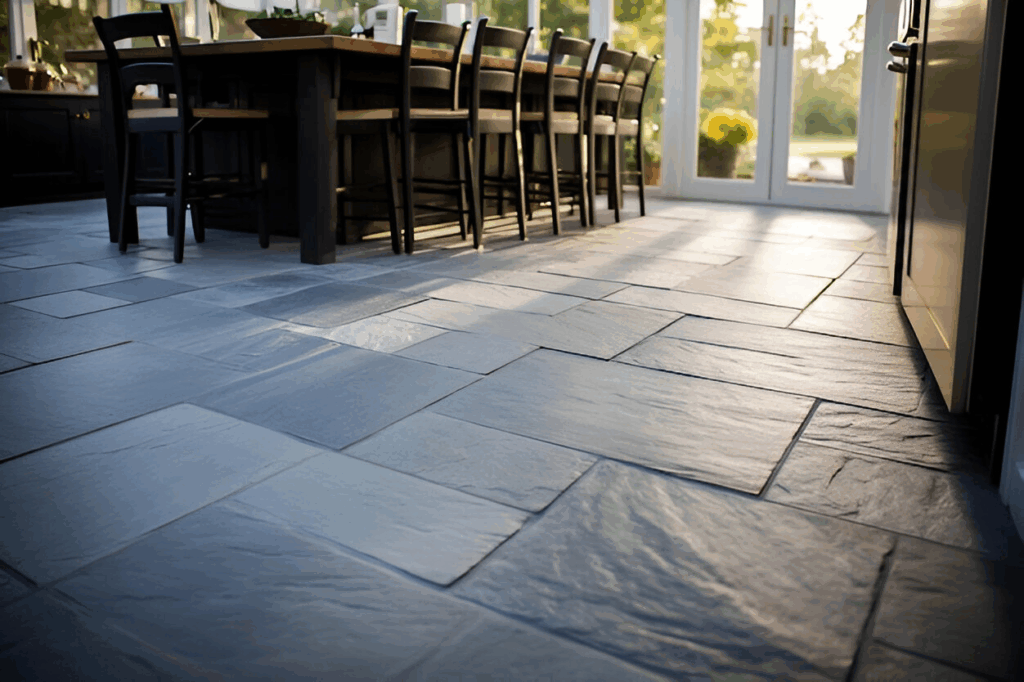
Slate has a layered natural structure and may be supplied with a cleft, honed or other finish. Cleft texture can add grip but also increases cleaning effort and thickness variation. Ask whether tiles are calibrated, what variation is expected and how the selected slate should be sealed and maintained.
7. Travertine Floor Tiles
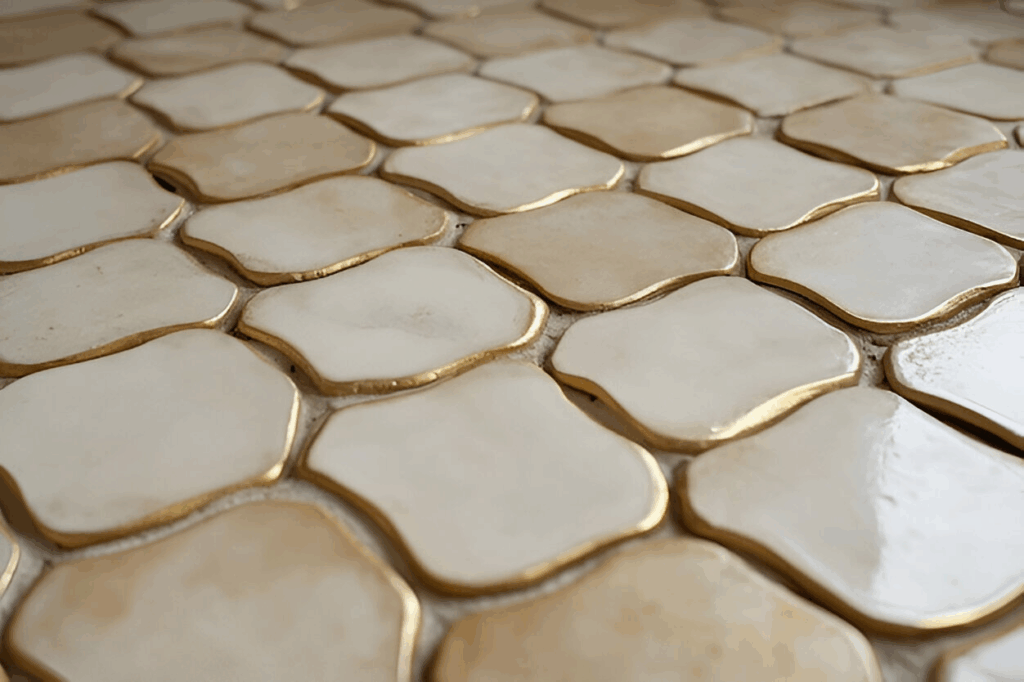
Travertine is a porous limestone available filled or unfilled and in honed, tumbled, brushed and other finishes. Confirm whether voids are factory-filled, whether the selected finish suits the traffic and exposure, and how repairs and sealing will be handled. Exterior use also requires climate-specific review.
8. Mosaic Floor Tiles

Mosaics are small pieces of ceramic, porcelain, glass, stone or other material, often mounted on mesh sheets. More grout joints can add texture on a shower floor, but product suitability and maintenance still depend on the material, face finish, sheet backing and grout system.
- Approve a laid sample to check sheet joints and pattern alignment.
- Confirm mesh and adhesive compatibility for submerged or wet areas.
- Check that individual pieces and the complete assembly are suitable for floor traffic.
9. Cement Floor Tiles
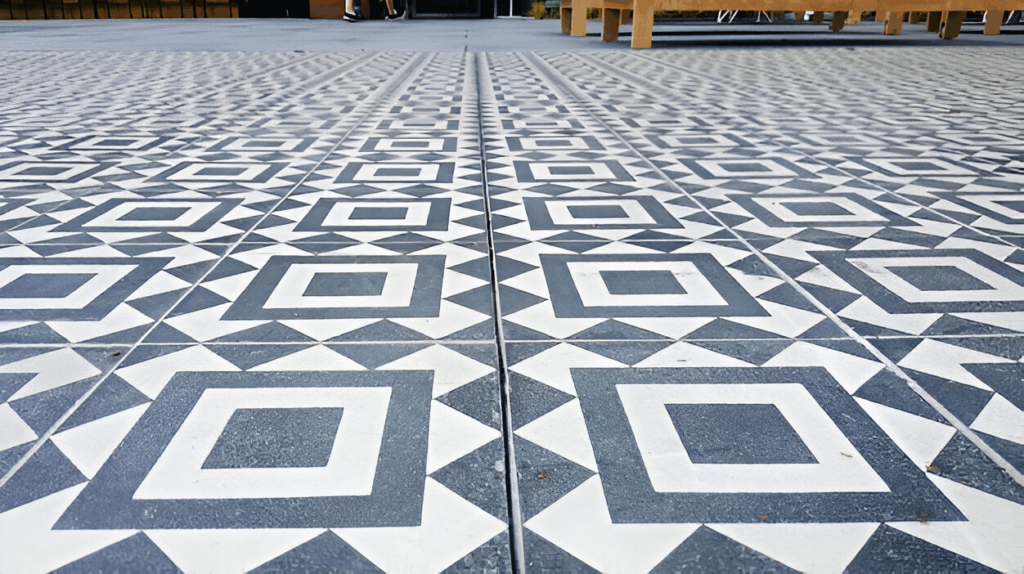
Cement tiles are usually hydraulically pressed and cured rather than kiln-fired. Pigment and handmade variation contribute to their appearance, while porosity requires careful sealing, protection and cleaning. Confirm the approved sealer, installation sequence and maintenance method before large-scale use.
10. Terracotta Floor Tiles
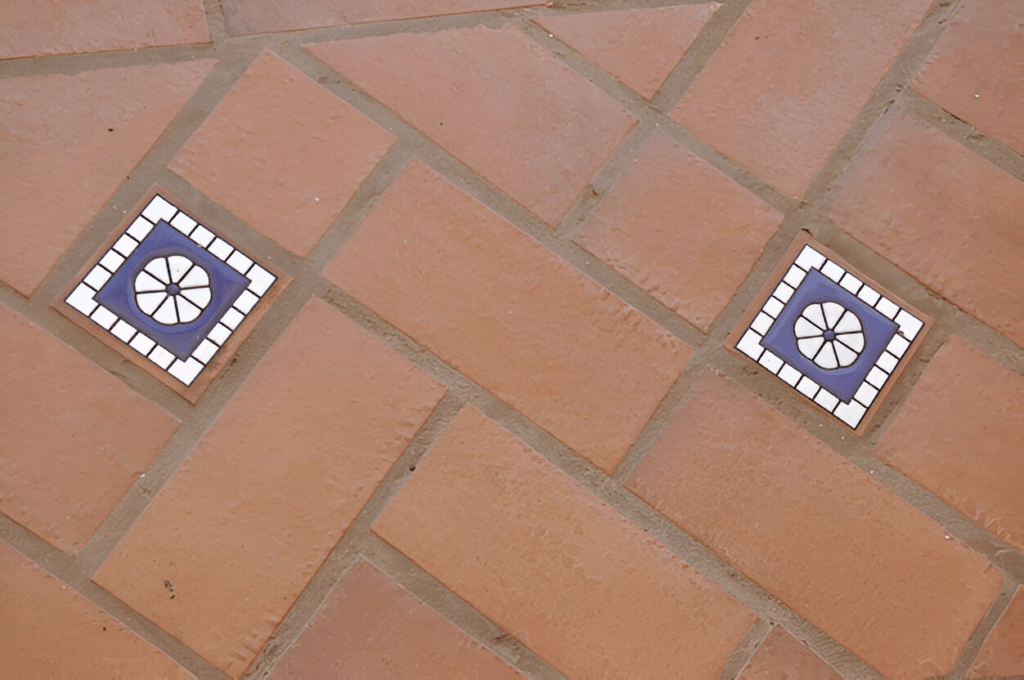
Terracotta is fired clay with warm color and natural variation. Products range from handmade, highly absorbent tiles to denser factory-made units. Check absorption, sealing, frost exposure, dimensional tolerance and expected shade variation for the project location.
How to Choose Floor Tiles for Each Room
| Room or zone | Priority questions | Useful product evidence |
|---|---|---|
| Living room or bedroom | Comfort, appearance, cleaning, acoustic feel and furniture loads | Sample, wear/use declaration, size tolerance and cleaning guidance |
| Kitchen | Staining, dropped objects, wet contamination and cleaning chemicals | Floor-use rating, stain/chemical data, slip classification and replacement stock |
| Bathroom or shower | Barefoot slip, drainage, waterproofing interface and grout cleaning | Declared wet-use classification, compatible system data and layout sample |
| Entry or corridor | Abrasion, tracked water, trolleys and high traffic | Use classification, wear data, entrance mat plan and maintenance procedure |
| Balcony or exterior | Rain, sun, thermal movement, freeze/thaw where relevant and drainage | Exterior-use declaration, slip classification, absorption and installation detail |
| Hotel or commercial public area | Traffic, cleaning cycle, replacement, accessibility and project standard | Complete technical data, mock-up, test evidence and approved maintenance plan |
Check Slip Resistance and Product Use
Do not label a floor “slip-resistant” from texture or a single number without context. The ANSI A326.3 information published by TCNA explains DCOF testing and product-use classifications for hard-surface flooring. Request the classification or manufacturer declaration that matches the actual dry, wet, exterior or grease-exposed condition.
Floor Tile BOQ and Approval Checklist
- Room/zone reference and net tile area
- Tile type, manufacturer, series, color, finish and exact code
- Nominal and actual size, thickness, edge type and pattern
- Declared area of use, absorption and slip/product-use classification
- Substrate, waterproofing, movement-joint and floor-level conditions
- Adhesive, grout, sealer, trims, skirting and transition profiles
- Layout direction, joint width, pattern repeats and dry-layout requirements
- Waste allowance based on room geometry, tile size and pattern
- Approved control sample, shade/caliber and batch traceability
- Cleaning, protection, spare tiles, packing and delivery sequence
Browse the tile product range, then send the finish schedule, quantities, room plans and destination through the project enquiry page. A coordinated quotation can identify missing product data, accessories and logistics before ordering.
Frequently Asked Questions
Which type of tile is best for flooring?
There is no single best material for every room. Porcelain and ceramic products cover many uses, while natural stone, mosaics, cement, terracotta and resilient tiles can be appropriate when their product data, finish, substrate and maintenance requirements match the project.
Is porcelain always better than ceramic?
No. Porcelain has defined low water absorption, but the exact tile’s slip, wear, finish, size, installation method and cost still matter. A suitable floor-rated ceramic tile may be a better fit for some dry interior rooms.
Do larger tiles make a small room look bigger?
Larger formats can reduce the number of grout lines, but room geometry, cuts, drainage falls and substrate flatness may make a smaller format more practical. Approve a dimensioned layout rather than choosing size by appearance alone.