By George House/17,Jul,2026
A one-stop building material supplier can coordinate several product categories through one commercial and logistics interface. That convenience is valuable only when the scope, technical approvals, quality records and delivery responsibilities remain visible. A single contact should simplify coordination without hiding which factory, specification or inspection applies to each item.
Start by matching the supplier’s actual capabilities to the project. Review its procurement and coordination services, relevant categories, delivery markets and documentation process before treating a broad catalogue as evidence of complete coverage.

Define what one-stop means for the project
Prepare a package matrix that lists every category, item, quantity, specification reference, drawing, finish, required sample and delivery location. Mark exclusions and nominated suppliers. A supplier may manage all commercial communication while using different specialist factories; the quotation should identify that structure and the party responsible for each approval and warranty.
- Separate supply, fabrication, packing, freight, customs, site delivery and installation responsibilities.
- State whether taxes, duties, insurance, testing, mock-ups and spare materials are included.
- Record the document hierarchy so drawings, schedules and specifications cannot be interpreted inconsistently.
- Use one revision register for BOQs, finishes, approved samples and instructions.
Prequalify capability by category
Company history is useful context, but current project evidence is more important. Ask for relevant factory information, example submittals, quality records and completed packages with similar materials, scale, performance and destination. Confirm who will answer technical questions and who has authority over production release.
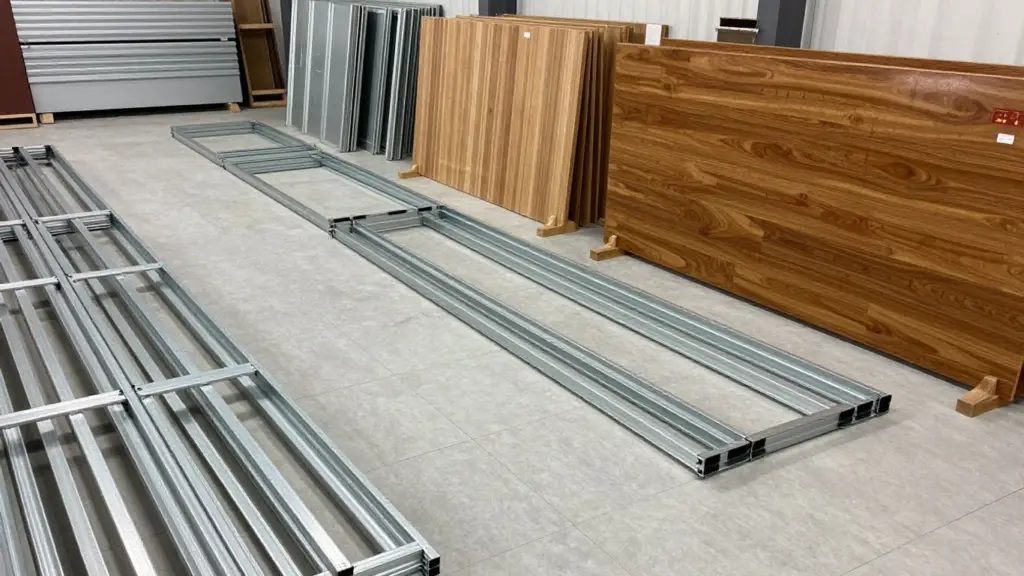
Review completed project examples for evidence of package coordination, while recognizing that photographs do not replace references, test reports or a factory-specific evaluation.
Make competing quotations comparable
Issue the same RFQ data and return format to each bidder. Require a line-by-line response that identifies included product, quantity, unit, finish, performance, accessories, packing, lead time, commercial basis and exclusions. A low total can result from missing hardware, downgraded substrates, incomplete finishing, omitted testing or different freight assumptions.
For overseas procurement, the process in the guide to sourcing building materials in China provides additional context on supplier checks and shipment planning.
Compare landed scope, not only unit price
Build a comparison that includes approved substitutions, sample cost, tooling, shop drawings, inspection, packaging, consolidation, freight, insurance, duties, handling, storage, installation support and likely change exposure. Keep provisional allowances separate so they can be reconciled later.
Control technical approvals before production
A consolidated order still needs category-specific submittals. Require product data, finish samples, material certificates, test evidence where specified, schedules and coordinated shop drawings. Record review comments and obtain a clear approved-for-production status. Do not let a purchase deposit become an informal technical approval.
Complex packages such as doors and windows need coordinated sizes, handing, hardware, finishes, glazing, interfaces and performance evidence rather than a single generic line item.
Use inspection points and traceable records
Agree an inspection and test plan before manufacture. It can include incoming material checks, first-article review, in-process dimensions, finish control, assembly trials, functional checks, packing inspection and pre-shipment quantity reconciliation. Acceptance criteria should reference the approved drawing, sample and specification.
- Label records by item code, batch, room or opening mark where practical.
- Use calibrated equipment for measurements that affect acceptance.
- Photograph nonconformities with scale and identification, then record disposition and reinspection.
- Keep approved deviations separate from unresolved defects.
Plan packing, consolidation and delivery
Multi-category supply creates interface and sequencing risks. Define protection, moisture control, crate construction, edge guards, lifting points, package labels and packing lists for each product. The consolidation plan should prevent heavy or wet items from damaging finished surfaces and should keep urgent installation packages accessible.

Manage changes through one register
Define communication channels, response times, meeting cadence and approval authority. Every change should state the affected item, drawing, quantity, price, lead time and downstream interface. The supplier’s coordination role is strongest when one register shows the current decision and its effect across all categories.
One-stop supplier RFQ checklist
- Issue the BOQ, drawings, specification, finish schedule and delivery requirements under controlled revisions.
- Identify category factories, technical contacts, exclusions and responsibility boundaries.
- Require comparable line-item pricing, lead times, payment terms and commercial assumptions.
- Approve submittals, samples, mock-ups and inspection criteria before production release.
- Agree packing, labeling, consolidation, shipping documents, delivery sequence, spares and closeout records.
For a category matrix and project-specific multi-material quotation, contact George House Material.