By George House/19,May,2026
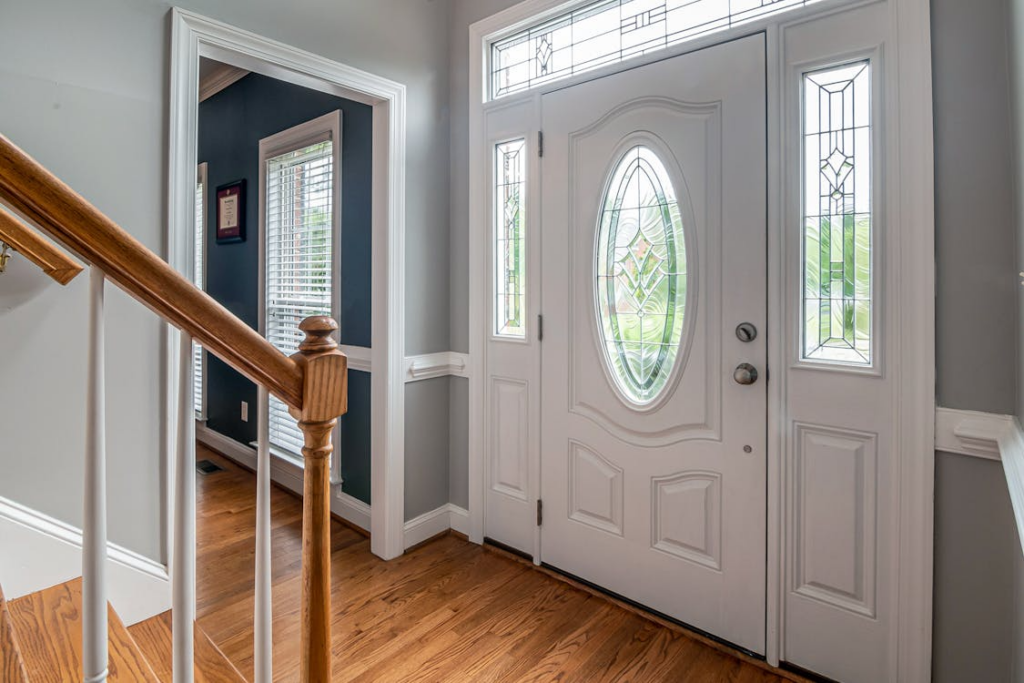
A common standard front door size in U.S. residential work is a 36 × 80-inch (914 × 2032 mm) nominal leaf, often around 1¾ inches (44 mm) thick. It is a useful planning reference, not a universal rule. Regional practice, accessibility scope, door construction, frame, threshold, hardware and the wall opening determine the final scheduled size.
Always identify which dimension is being discussed. Door-leaf size, frame outside size, rough opening and clear passage are different. Confirm them on the door schedule, architectural details, supplier shop drawing and site survey before manufacturing.
Front Door Size Terms
| Dimension | What it describes | Why it matters |
|---|---|---|
| Nominal leaf size | Width and height of the movable door panel | Ordering reference, hardware layout and elevation proportions |
| Frame outside size | Overall outer dimensions of the assembled frame | Coordination with the wall opening and anchors |
| Rough opening | Prepared structural or framed opening before finishes | Installation tolerance, packing, flashing and support |
| Finished opening | Opening after adjacent finishes are complete | Site verification and junction details |
| Clear opening | Unobstructed passage with the leaf open | Access, moving items and project compliance |
(Source)
Common Front Door Planning References
Single entrance leaves are often referenced at 30, 32, 34 or 36 inches wide and 80 inches high in U.S. residential contexts, with taller custom leaves also available. A 36 × 80-inch leaf is common because it provides a generous single-door opening while remaining within widely available product ranges. The 36 × 80 exterior door guide covers that size in detail.
Do not convert a nominal leaf directly into a masonry or framed opening. Frame profiles, jamb thickness, installation gaps, thresholds, anchors and finish returns vary by system. For a broader room-by-room reference, use the common door size guide.
Single Doors, Pairs, Sidelights and Transoms
Single Front Door
A single leaf gives a clear scheduling reference, but handing, swing, hinge side and hardware still affect the drawing. Check the open leaf against walls, furniture, switches and the exterior landing. Confirm whether the frame includes an integral sidelight pocket, screen or storm-door provision.
Paired Doors and Glazed Entry Assemblies
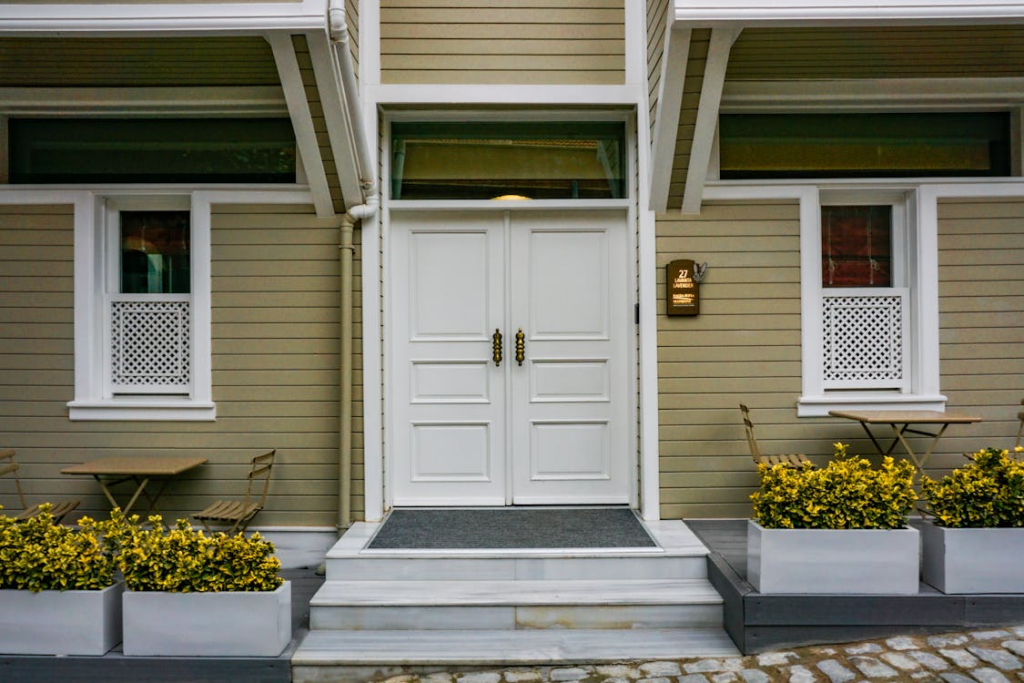
For a pair, identify the active and inactive leaves, meeting-stile detail, flush bolts and usable clear passage. Equal leaves are not the only option. An unequal pair can concentrate daily use in one leaf. Sidelights and transoms add frame members and glass dimensions, so schedule the complete assembly instead of adding nominal widths.
(Source)
Set the Rough Opening from the Approved System
Obtain the manufacturer’s or fabricator’s required opening before structural work is finalized. Check head support, jamb fixing zones, sill or threshold recess, waterproofing, insulation and interior and exterior finish returns. A shop drawing should show the frame section at the head, jamb and sill.
For renovation, survey width and height at several points and record diagonals, plumb, level and wall thickness. Note the finished-floor difference across the threshold. The door measurement guide provides a repeatable survey sequence.
Assign responsibility for the final opening check before fabrication. The survey should identify the smallest usable dimensions, concealed obstructions that can reasonably be detected, and any work needed to correct an out-of-square opening. Record whether dimensions are taken before or after render, cladding, tile and trim, because finish build-up can change the available space.
Verify Clear Opening and Accessibility Scope
Clear opening is measured through the usable passage, not across the nominal leaf. Hinges, stops, hardware, door thickness and opening angle can reduce it. Where U.S. ADA requirements apply, the U.S. Access Board requires a 32-inch minimum clear width for door openings and defines how swinging-door clear width is measured. Other maneuvering, threshold, hardware and approach requirements may also apply.
Confirm the governing code, project type and approved details with the responsible professional. A 36-inch nominal leaf does not by itself prove compliance.
Technical reference: U.S. Access Board — Entrances, Doors and Gates.
Coordinate the Threshold and Finished Floor
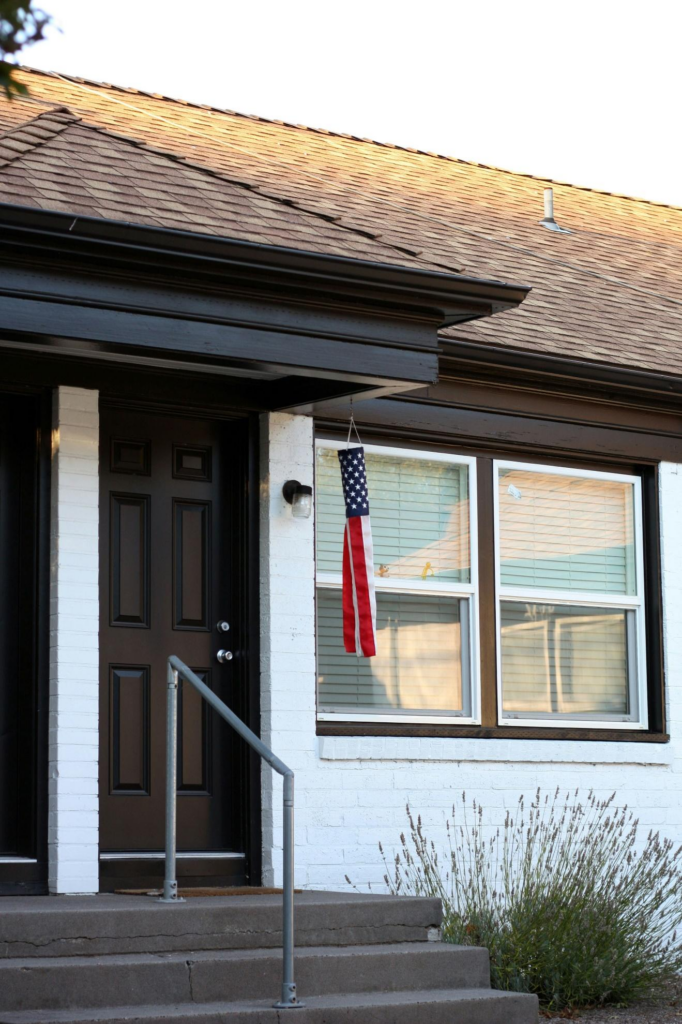
The door height must be coordinated with threshold profile, sill pan, interior finish, exterior paving and drainage. Show the threshold’s top and underside relative to finished floors on both sides. Allow for rugs, mats and weather seals without creating an unplanned obstruction.
A taller leaf also changes weight, hinge or pivot selection and the location of closers and reinforcement. Ask the supplier to confirm maximum leaf size for the selected material, glass and hardware rather than scaling a standard detail without engineering review.
Head height should also align with nearby windows or architectural bands where the elevation requires it. The standard door height guide provides broader height references, while the front-door schedule controls this specific assembly.
(Source)
Front Door Schedule and Shop-Drawing Checklist
- Door mark, location, handing and swing
- Nominal leaf width, height and thickness
- Frame outside size and required rough opening
- Required clear opening and project criteria
- Single, pair, sidelight and transom configuration
- Head, jamb and sill or threshold sections
- Leaf, frame, glass, finish and hardware set
- Anchors, flashing, seals and drainage
- Site-survey dimensions and tolerance responsibility
Standard Front Door Size FAQ
What Is the Most Common Front Door Size?
A 36 × 80-inch nominal leaf is a common U.S. residential reference, but it is not universal. Verify the available opening, assembly, code scope and supplier range.
Can the Rough Opening Be Calculated from the Door Size Alone?
Not reliably. The required opening depends on the frame profile, threshold, fixing method and installation tolerance. Use the approved system drawing.
Finalize the Complete Front Entry Opening
Treat standard dimensions as planning references and the approved schedule as the ordering authority. Coordinate the leaf, frame, opening, threshold, glass, hardware and finishes on one submittal. The door and window product hub can help organize the full package before procurement.