By George House/01,Apr,2026
The correct toilet height is more likely to influence everyday comfort than most individuals anticipate. The normal height of WC is significant in usability, safety, and general design of the bathroom.
This is an aspect that many homeowners do not pay much attention to until the pain is felt. Proper fixture height is a significant safety consideration that follows.
Better ergonomics in modern bathrooms is also a modern trend. The following guide will describe the categories of height, measurements, and practical tips to help you make a wise choice and create a space that will feel right on a daily basis.
Toilet Height Categories
(Source)
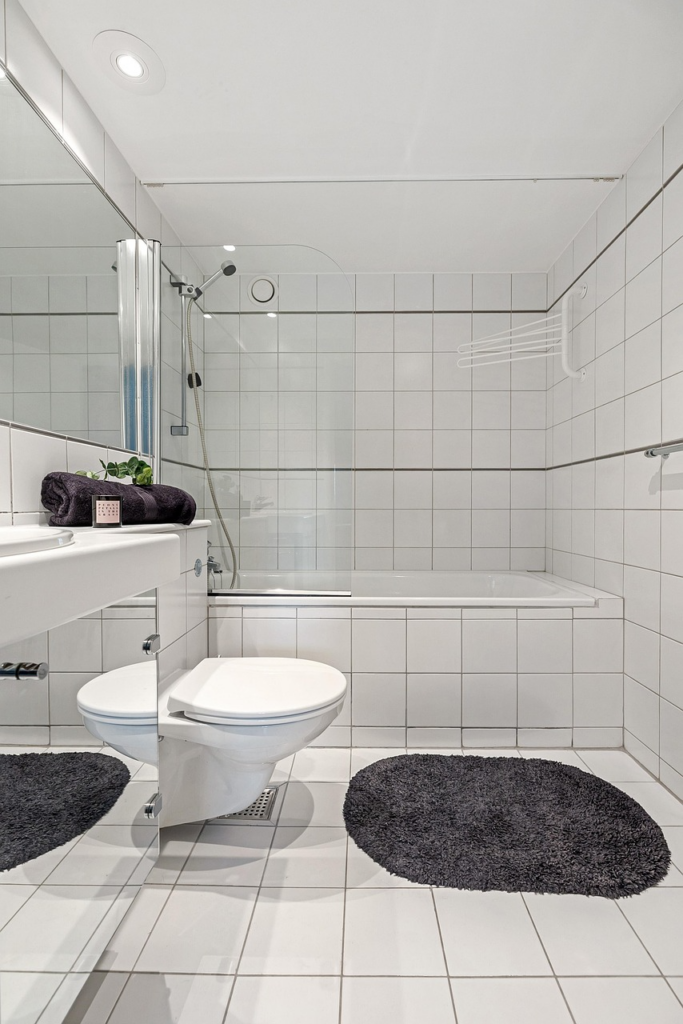
Various toilet heights are appropriate for various users and preferences. The conventional, comfort, and accessible models of WC have different standard heights. Both of these options have their own advantages depending on the ease of use and design objectives. Let’s understand these categories to enable you to know what is best in contemporary bathrooms.
Normal Height (Traditional)
Conventional toilets are based on the original standard height of WC, between 14 and 15 inches between the floor and the bowl rim. This is a height that is comfortable for children and shorter people. This size is still used in many older homes, as it is decades old.
Sitting and standing are a little more demanding, and some users like to use it to engage their muscles. This alternative is effective in family households with young children. It can also be used in areas where the traditional appearance is still a concern in terms of design continuity.
Comfort Height (Chair Height)
Comfort height toilets increase the normal height of the WC to approximately 17 to 19 inches. This height is equivalent to the height of an average chair, and adults find it easier to sit and stand. Most importantly, this height range is supported by the Americans with Disabilities Act (ADA) in order to achieve better accessibility.
This is a long-term comfort option that many homeowners opt to use. It helps to take the weight off the knees and joints, particularly in the elderly. This height is also appropriate for taller people who feel uneasy with low toilets.
Comfort height models are commonly featured in new projects by modern builders. This trend indicates a change towards ergonomic design of contemporary bathrooms.
ADA Compliant Height Requirements
Accessibility standards establish certain measurements of public and residential areas. ADA guidelines provide the standard height of WC as 17 to 19 inches between the floor and seat. These needs are meant to assist people with mobility issues.
The correct height decreases the amount of effort spent on wheelchair-to-wheelchair transfers. It enhances independence and safety as well. A lot of commercial buildings are required to comply with these regulations in order to be legal.
These heights are also taken by homeowners to provide inclusive environments. This will make the bathrooms accessible to individuals with disabilities.
Modern Bathroom Dimensions and Measures
(Source)
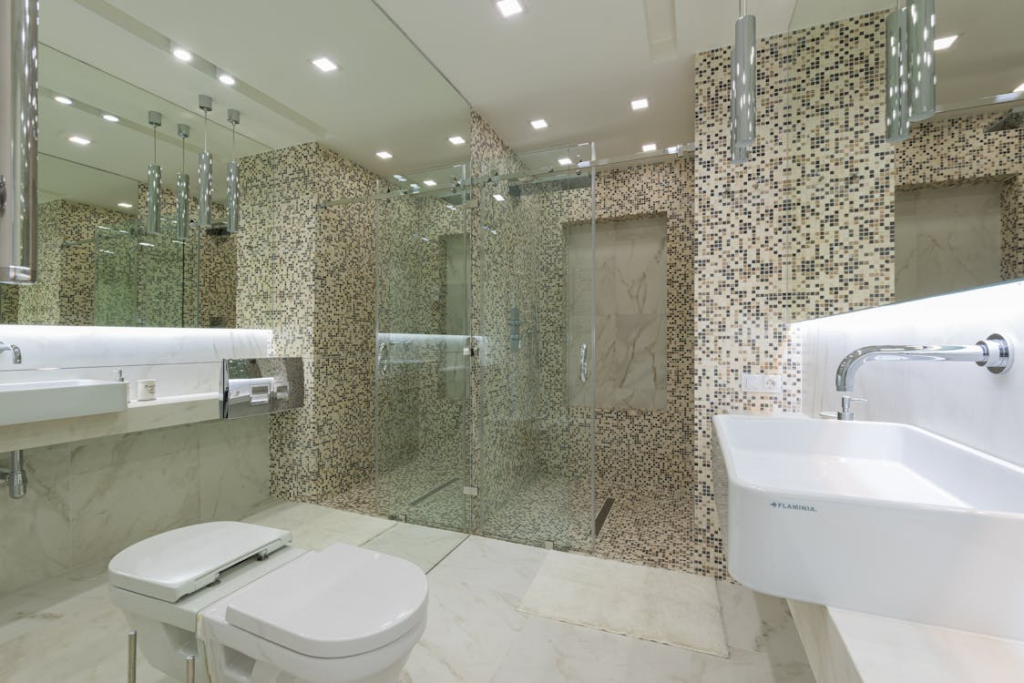
Proper measurements will make sure that the selected height of the toilet fits inside the area. The WC standard height should be in accordance with the floor levels, seat thickness, and comfort of the user. Let’s describe the correct way of measuring and the pitfalls to avoid in modern bathrooms.
Measuring from Floor to Rim
The standard height of the WC begins at the finished floor up to the rim of the bowl. This scale does not include the toilet seat. Accuracy is important since even minor variations influence comfort.
According to the National Institute of Standards and Technology (NIST), precise measurements are crucial in construction projects. Final height can be altered by the use of tiles or raised floors. These variations should be considered by installers prior to the installation of the unit.
Even a minor error may cause pain in the long run. Proper measurements will make sure that the toilet fits the requirements of the user and is consistent with the bathroom design.
Considering the Toilet Seat Thickness
The toilet seat also provides additional height, which most people do not remember. To determine the standard height of WC, add the thickness of the seat to obtain the final sitting height. The majority of seats increase by one to two inches.
The U.S. Department of Housing and Urban Development (HUD) suggests that all the parts of the fixtures should be taken into consideration when installing them. This guarantees the appropriate usability and adherence to design requirements.
A standard toilet can be brought nearer to comfort height by a thicker seat. This little bit can alter the whole experience. With correct planning, there will be no surprises after installation and a comfortable outcome.
Selecting the Right Height of Your Home
(Source)
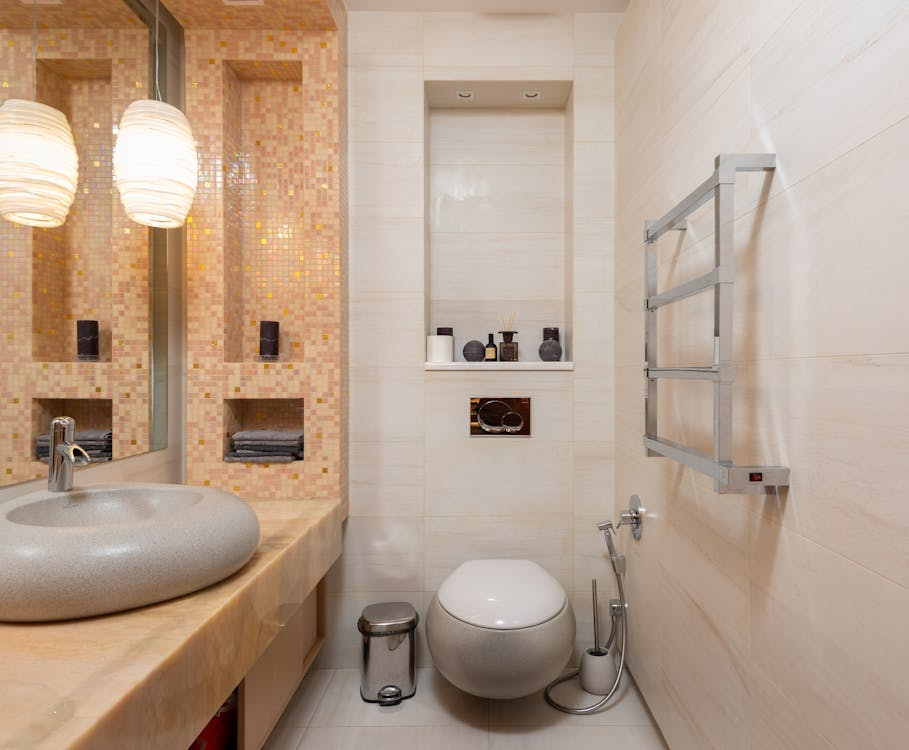
The choice of the right toilet height is based on the needs of the users, space design, and comfort in the long term. WC height should be standard based on the lifestyle and physical needs of the house. The sections below discuss how to make the best choice in modern bathrooms.
Evaluation of User Requirement and Household Characteristics
All households have varying requirements, and the standard height of the WC must be representative of those. Families that have children might want lower toilets to access them easily. Higher models are usually beneficial to older adults to reduce strain.
According to the Centers for Disease Control and Prevention (CDC), mobility issues are on the rise with age. This renders height selection a significant safety choice. Take into account who is going to use the bathroom most frequently.
Guest bathrooms can be in need of a middle ground. Knowledge of user needs will assist in making a space comfortable for all. This will make the bathroom functional in everyday life.
Pros and Cons of Each Elevation
All height choices have advantages and disadvantages. The conventional standard height of WC is natural to some users and may be a burden to others. Comfort height models enhance ease of use but can be too high for the children.
ADA-compliant options are more supportive of accessibility but need greater planning. According to the National Institutes of Health (NIH), ergonomic design is essential in minimizing physical strain.
These factors can be weighed to make an informed choice. The ultimate decision should be made based on personal comfort. A moderate solution is the one that will provide both functionality and comfort in contemporary bathrooms.
Design Aesthetics and Bathroom Layout Integration
Toilet height also affects the visual balance of a bathroom. The standard height of the WC should align with other fixtures like sinks and vanities. A mismatched height can disrupt the overall look. Designers often focus on proportion to maintain harmony.
Higher toilets may stand out more in compact spaces. Lower models blend better with traditional layouts. Choosing the right height supports both function and style. This approach ensures that modern bathrooms feel cohesive and visually appealing.
Ensure Proper Height of WC with George Group!
The standard height of WC shapes comfort, safety, and design in modern bathrooms. Thoughtful selection improves daily use and long-term satisfaction.
George Group delivers reliable solutions that align with modern standards, helping create bathrooms that feel comfortable, functional, and visually balanced.