By George House/28,June,2025
Thermal break aluminium windows use an insulating separator between the interior and exterior portions of the metal profile. The separator interrupts a major heat-flow path through the frame. It is important, however, to evaluate the complete window: profile, glass, spacer, gaskets, hardware, drainage, size and installation all influence the result.
When a project includes multiple openings, coordinate the system through a complete door-and-window package so finishes, glass, testing, shop drawings and interfaces are reviewed together.
How the thermal break works
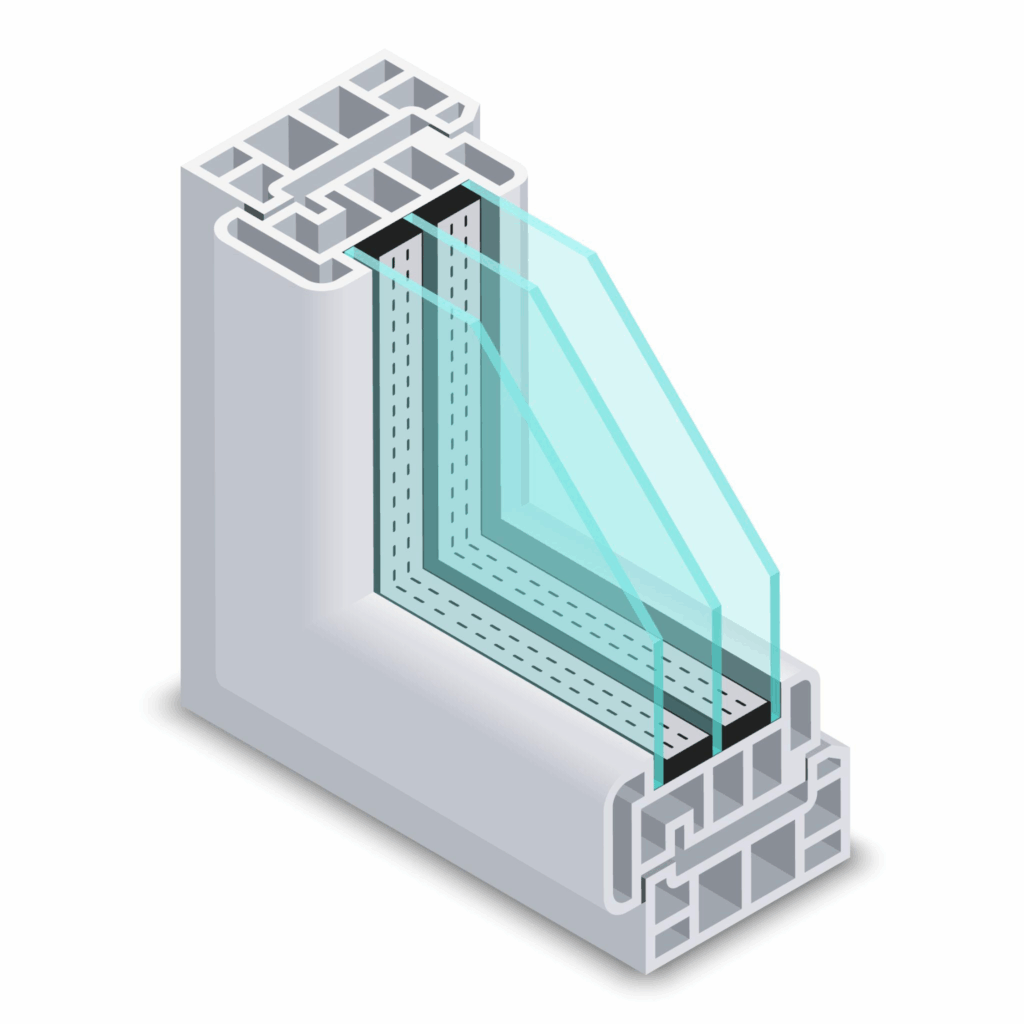
A conductive aluminium path can transfer heat around the glazing. In a thermally broken profile, an insulating material mechanically connects separated aluminium sections. The geometry, material, width and continuity of that separator matter, as do corners, mullions, transoms and hardware penetrations.
The phrase thermal break is not a performance value. Compare declared results for the exact product configuration. A deep-looking frame or wide separator may be promising, but it should not replace project-relevant calculations and test evidence.
Read whole-window values correctly
A glass center value, frame value and whole-window value describe different boundaries. Ask which value is being reported, the reference size, the glass make-up and the calculation or test method. For cold climates, the specification may also address air leakage, water penetration, structural pressure and condensation resistance.
- Thermal transmittance describes heat flow; use the project-required convention and units.
- Solar heat-gain and visible-light values affect winter gains, summer loads, glare and daylight.
- Air leakage can undermine comfort even when nominal thermal values look strong.
- Condensation depends on indoor humidity, exterior temperature and local surface temperatures as well as the window design.
Coordinate glass, spacers and seals
Insulating glass should be selected with the frame. Confirm pane thicknesses, coatings, cavity, gas fill where specified, spacer type, safety treatment and edge clearances. Gaskets, setting blocks and sealants must be compatible with the glass and profile system.
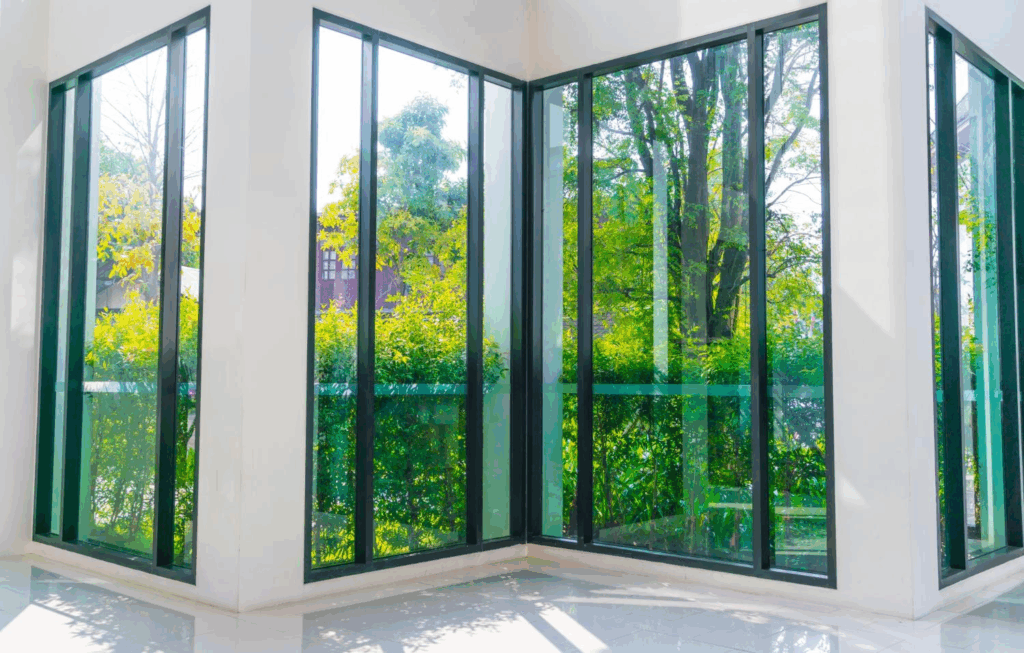
For tall or large glazed openings, use the same discipline while reviewing deflection, glass support and site exposure. The coordination questions in the floor-to-ceiling window guide help identify these interfaces early.
Choose an opening type for winter use
Different operations create different seal lines and hardware conditions. Compare fixed, casement, awning, tilt-and-turn and sliding options in the guide to types of windows, then check the exact proposed system. Fixed units have no operable joint; operable units add ventilation and cleaning functions but require adjusted hardware and seals.
Condensation control is a system task
A thermally improved frame can raise interior surface temperatures, but it cannot by itself eliminate condensation. Indoor moisture generation, ventilation, heating distribution, curtains, deep reveals, spacers and installation bridges all affect risk. Ask the designer to assess the actual climate and indoor design conditions.

Protect drainage and the perimeter connection
Thermally broken frames still need controlled drainage. Keep weep routes open and coordinate sill pans, flashings, end dams and sealant joints. At the perimeter, align the air, water and thermal layers of the wall with the appropriate frame zones. Avoid continuous metal trims or uninsulated packers that bypass the intended thermal line.
Aluminium compared with other frame materials
Frame selection also involves sightlines, finish, maintenance, fabrication limits and project exposure. The aluminium-versus-wood window comparison is a starting point, but request exact product data rather than transferring a material-level conclusion to every system.
Cold-climate submittal checklist
- Confirm climate, orientation, opening size and applicable performance requirements.
- Request whole-window thermal, air, water and structural data for the quoted configuration.
- Coordinate glass, spacer, gaskets, screens, handles and restrictors.
- Review corners, mullions, drainage and installation details for continuity.
- Approve finish samples, shop drawings, mock-ups and field-testing requirements before production.
To compare a thermally broken aluminium system against your window schedule, send the project requirements to George House Material.