By George House/05,Aug,2025
Wood interior doors include several constructions, not only solid timber. A door may use solid wood, an engineered core, MDF components, timber veneer or a combination. The right assembly depends on appearance, opening size, room use, hardware, acoustic needs, moisture conditions and project budget.
Select the leaf, frame, finish and hardware as one doorset. Record the visible species or veneer, core, lipping, profile, frame, architrave, seals, hinges and approved sample. That information lets designers and suppliers compare the same scope and reduces substitutions based on a vague “wood door” label.
Wood Interior Door Constructions at a Glance
| Construction | Typical use | Key checks |
|---|---|---|
| Solid timber | Natural grain and substantial traditional or contemporary doors | Species, moisture content, grading, joints, movement and weight |
| Engineered timber | Controlled core with timber components or faces | Core build-up, lipping, face material, hardware zones and certifications |
| MDF or molded components | Painted profiles and repeatable surfaces | Density, edge detail, moisture limitations and finish system |
| Veneered door | Natural wood appearance over a specified core | Veneer species, cut, matching, grain direction and approved variation |
Define the Door’s Room and Performance Role
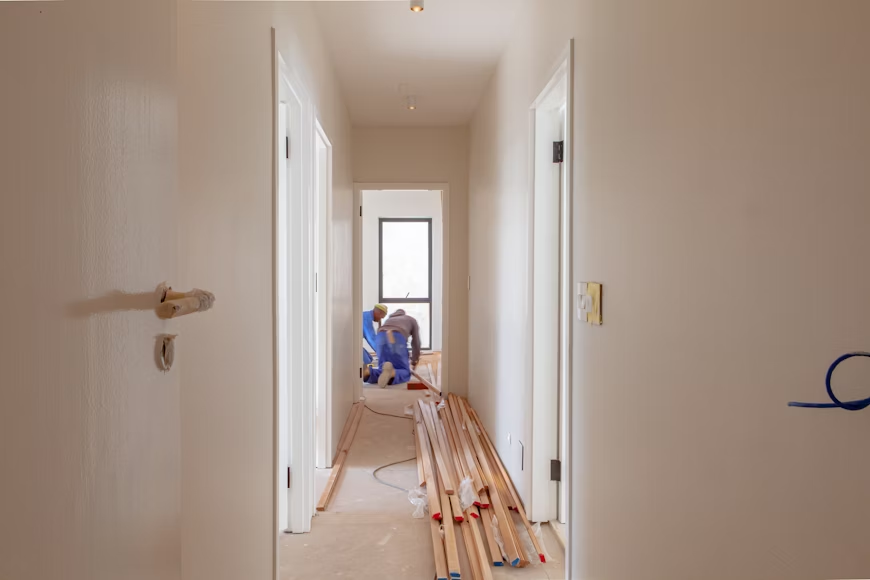
Start with room names, circulation, privacy, frequency of use and the required swing or sliding operation. Record any project-specific acoustic, fire, smoke, accessibility or moisture requirements. These properties belong to a tested or documented doorset, so they should not be assumed from the timber species alone.
The interior door styles guide compares swing, sliding and folding arrangements by space, privacy and hardware. Use it to establish the operating type before choosing the wood construction.
Compare Solid, Engineered and Veneered Doors
Solid Wood Doors
Solid wood offers continuous timber character, but species, board selection, jointing and moisture control affect appearance and movement. Door weight influences hinges, frame fixings and installation. Review the solid wood interior door guide for that specialized construction rather than duplicating its detailed species discussion here.
Engineered and Veneered Doors
Engineered construction can combine a stable core, timber lippings and finished faces. Veneer provides natural grain on a defined substrate. Specify core type, edge lipping, veneer thickness, cut, matching sequence and grain direction. Confirm where locks, closers and other hardware require reinforcement.
Choose the Leaf Profile and Visual Style
Flush doors suit simple elevations and place attention on grain matching, reveals and hardware. Panel doors create more shadow and require clear stile, rail and panel proportions. Glazed or French-style doors introduce glass, beads and privacy decisions; the interior French door guide covers that configuration in more detail.
Coordinate Leaf, Frame and Rough Opening
The nominal leaf size is not the wall opening. Frame sections, clearances, floor finish, threshold and installation tolerances affect the required rough opening and final clear passage. Use the interior door rough-opening guide to coordinate structural openings before frames arrive.
Show wall type, frame depth, architrave, head condition and adjacent skirting. Check whether floor finishes continue through the opening and whether doors clear rugs, stops, cabinetry, switches and sanitary fixtures.
Select Stain, Clear Coat or Paint
A stained or clear finish reveals grain, color variation and veneer matching. Paint provides a more uniform color but still depends on substrate preparation and edge coverage. Record the coating system, color or stain reference, sheen, number of finished faces and treatment of edges, beads, frames and architraves.
Match Hardware to Door Weight and Use
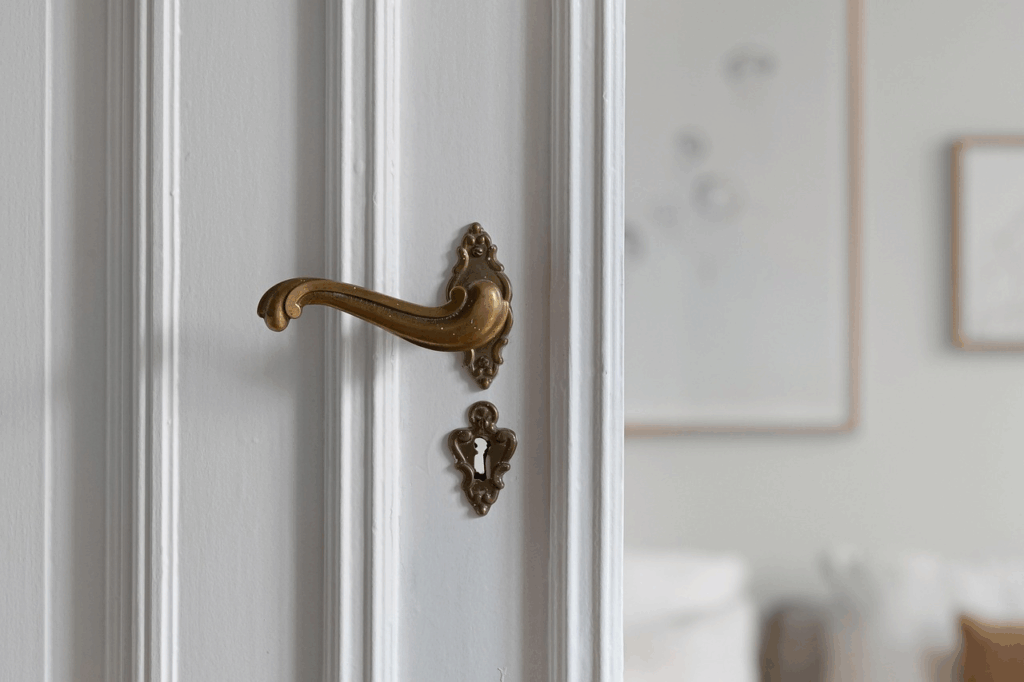
Confirm hinge quantity and type from leaf size, construction, weight and frequency of use. Coordinate locks, latches, pulls, stops, closers, seals and concealed hardware with the door preparation. Hardware cutouts should not interrupt critical lippings or unsupported core areas.
Prepare a hardware set for each door type and reference it from the schedule. Check handle height, backset, lock function, strike position, door stop and closer clearance against adjacent walls and furniture. Where concealed hinges or magnetic locks are proposed, confirm routing details and reinforcement before the leaf faces are finished.
Coordinate Door and Window Materials
Where interior doors sit beside window frames, wall panels or built-in furniture, compare actual samples for color, grain, sheen and metal finishes. The door and window material guide helps distinguish timber from aluminum, steel, uPVC, fiberglass and composite options across the wider project.
Approve a Representative Doorset Sample
Approve a sample large enough to show the face, edge, profile, frame, architrave and coating. For veneered work, include the permitted color and grain range. On larger projects, a complete mock-up can confirm gaps, alignment, hardware function, floor clearance and finish before production.
Wood Interior Door Schedule Checklist
- Door mark, room, hand, leaf size and quantity
- Construction, core, species or veneer, grade and lipping
- Leaf profile, panel or glazing arrangement and grain direction
- Frame, architrave, seals, threshold and wall interface
- Finish reference, sheen, edge coverage and approved variation
- Hinges, lockset, pulls, stops, closers and reinforcement zones
- Required test reports, samples, shop drawings and mock-up
- Protection, cleaning, adjustment and spare-finish requirements
Wood Interior Door FAQ
Is a Solid Wood Door Always Better?
No. The best construction depends on size, appearance, weight, hardware, performance requirements, environment and budget. Compare documented doorsets for the actual opening instead of ranking them by material name alone.
What Should a Wood Door Sample Show?
It should show the specified species or veneer, cut, grain, color range, sheen, edge and profile. Final approval should also reference the matching frame, architrave and hardware finish.
Finalize the Wood Interior Door Package
Well-specified wood interior doors come from coordinated construction, finish, opening and hardware decisions. Freeze the door schedule, approved samples, technical data and shop drawings together before manufacturing begins.