Aluminum and wooden windows can both suit residential and commercial projects, but the right choice depends on the complete window system rather than the frame-material name alone. Compare the proposed profile, glazing, thermal values, air leakage, water performance, finish, hardware, maintenance plan and installation details for the exact opening.
Aluminum is often selected for slim profiles, large openings and controlled factory finishes. Wood is often selected for its natural appearance and interior character. Neither material is automatically more efficient, durable, quiet or sustainable in every configuration. Use product data, samples and project requirements to make a comparable decision.

Aluminum vs Wooden Windows at a Glance
| Selection factor | Aluminum window | Wooden window | Project check |
|---|---|---|---|
| Appearance | Slim, consistent profiles with anodized or coated finishes | Natural grain, stained or painted interior character | Approve profile, color, sheen and representative sample |
| Thermal design | Thermal-break construction may improve frame performance | Wood has lower conductivity, but joints, glazing and seals still matter | Compare whole-product U-factor and other declared ratings |
| Opening size | System options may support large glazed areas | Limits depend on section, construction and supplier | Verify maximum sash size, glass weight, reinforcement and hardware |
| Maintenance | Finish, hardware, drainage and seals need planned care | Coating condition, joints, hardware and moisture exposure need attention | Request cleaning, inspection and repair guidance |
| Environment | Coating, fasteners and hardware must suit the exposure | Species, treatment, coating and moisture detailing must suit the exposure | State climate, coastal risk, orientation and installation condition |
Compare Whole-Window Performance
A frame material does not define the performance of the complete window. Glass make-up, spacer, thermal breaks, gaskets, sash construction, drainage, hardware and perimeter installation can materially change the result. For rated products, the National Fenestration Rating Council explains whole-product ratings such as U-factor, solar heat gain coefficient, visible transmittance, air leakage and condensation resistance.
- U-factor: use the declared whole-product value required by the project; do not compare frame conductivity alone.
- Solar heat gain: coordinate glass coating and orientation with climate, shading and energy requirements.
- Air and water: confirm applicable test data, drainage and perimeter details for the proposed size and configuration.
- Condensation: review exterior climate, interior humidity, frame and glass edge conditions together.
- Acoustics: compare tested assemblies and installation details, not an assumption that one frame material is always quieter.
For cold-weather projects, see the related guide to thermal-break aluminum windows. Final values must still come from the selected system and applicable documentation.
Aluminum Window Selection
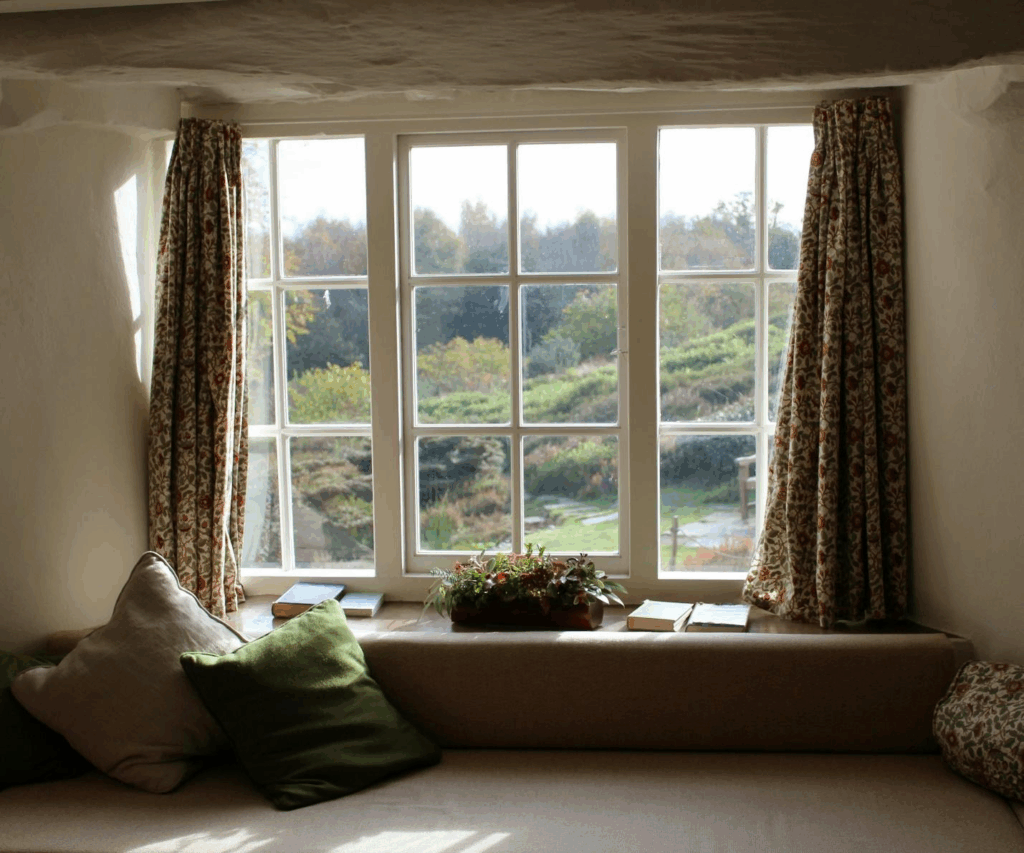
Aluminum systems are available in many profile depths, opening types and finishes. A thermal break can reduce direct heat flow through a metal frame, but the exact construction and whole-window rating should be verified. Coastal or chemically aggressive exposure also requires project-specific review of coating class, pretreatment, fasteners, hardware, sealants and maintenance.
- Confirm the series, profile dimensions and visible sightlines.
- State whether a thermal break is required and obtain applicable performance data.
- Approve powder-coated or anodized color, texture and acceptable variation.
- Check drainage, sill, end dams, flashing and perimeter sealant responsibilities.
- Verify hardware, restrictors, locks, screens and replacement access.
Wooden Window Selection
Wooden windows can provide a warm interior finish and detailed profiles. Their performance depends on species or engineered construction, moisture control, joinery, coating, glazing, hardware and installation. Wood movement is managed through suitable design and finishing; it should not be described as impossible.
- Identify species, grade, solid or laminated construction and permitted natural variation.
- Define factory-applied primer, stain or topcoat and the maintenance cycle.
- Review end-grain sealing, drainage, glazing beads and vulnerable joints.
- Approve a representative finish sample under project lighting.
- Clarify interior and exterior exposure, especially for wet, humid or sunny elevations.
Glass, Hardware and Opening Type
The same frame material can be used in fixed, casement, awning, sliding or other window configurations, but each type changes air sealing, drainage, hardware and maintenance. Review the different types of windows before finalizing the opening schedule.
| Item | Information to define |
|---|---|
| Opening schedule | Reference, room, width, height, sill level, quantity and opening direction |
| Glass | Pane build-up, safety requirement, coating, tint, privacy, thickness and edge treatment |
| Hardware | Hinges, rollers, balances, handles, locks, restrictors and required series |
| Interfaces | Wall build-up, sill pan, flashing, insulation, waterproofing and sealant |
| Evidence | Required ratings, test reports, calculations, samples and local approvals |
Cost and Service Life: Avoid Fixed Assumptions
A fixed percentage difference between aluminum and wood is not reliable across markets. Price changes with system series, profile mass, glass, finish, hardware, opening type, size, quantity, testing, packing, delivery and installation scope. Service life also depends on exposure, design, manufacturing, installation, use and maintenance. Compare quotations against one schedule and one specification rather than a generic material price.
Window Selection and RFQ Checklist
- Project location, building use, climate and exposure
- Plans, elevations, opening schedule and verified dimensions
- Preferred frame material, system type and visual references
- Required thermal, air, water, wind, acoustic or other values
- Glass, safety, coating, tint and privacy requirements
- Hardware, screens, locks, restrictors and accessibility needs
- Interior and exterior finish samples
- Shop drawings, product data and test-report requirements
- Packing, labeling, delivery sequence and installation responsibility
- Cleaning, inspection and maintenance information
George House Material can coordinate a window quotation around the project schedule, drawings, performance criteria, glass, finishes and hardware. Review the project window and door systems, then send available documents through the project enquiry page.
Frequently Asked Questions
Are wooden windows always more energy efficient?
No. Wood has lower conductivity than aluminum, but the complete window includes glass, spacers, seals and installation. Compare declared whole-product ratings for the proposed configurations.
Are aluminum windows suitable for coastal projects?
They may be, but suitability depends on the exact alloy, pretreatment, finish, fasteners, hardware, sealants, drainage, exposure and maintenance requirements.
Which material is more sustainable?
A material label is not enough to answer that question. Consider sourcing, recycled content, manufacturing, coatings, service life, repair, replacement and end-of-life information for the actual product.