By George House/23,Dec,2025
A garden brings beauty and a sense of serenity to a home. However, many outdoor spaces remain underused due to poor planning or design. Homeowners are continuously exploring ideas for designing a garden that combines aesthetics with functional.
Garden design ideas focus on layouts, plant selection, and decorative elements to create comfortable environments. Spaces are planned well so that they are practical and accessible.
Careful design also facilitates relaxation, outdoor, and family interaction. Adopting garden landscaping ideas allows owner to transform ordinary yards into inviting retreats that improve lifestyle and enhance property value.
Why Designing Gardens is Important
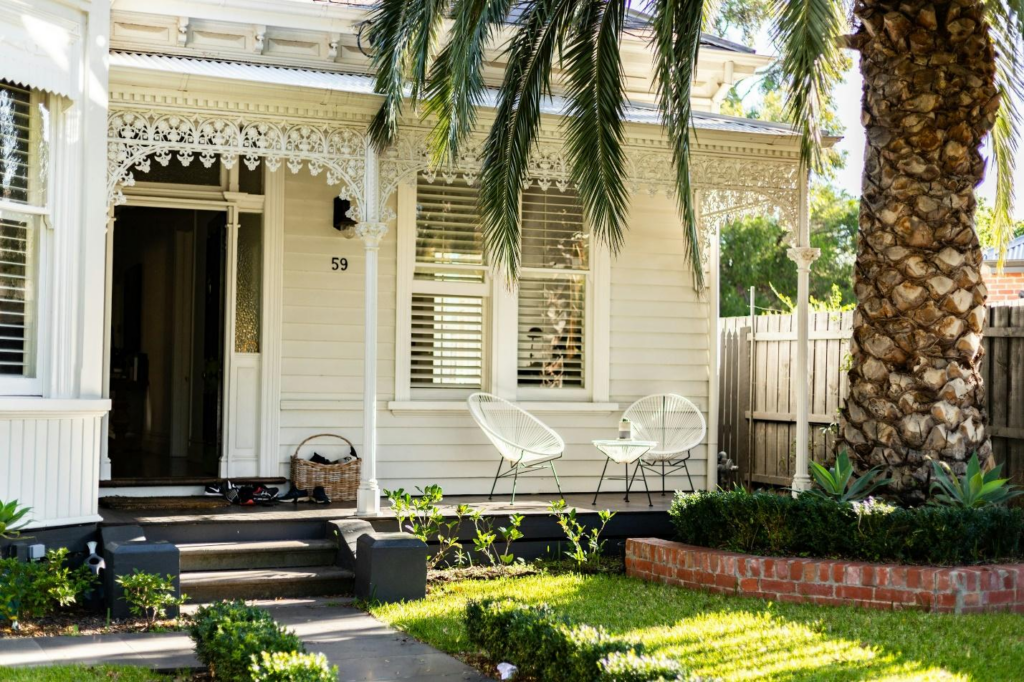
(Source)
A garden has an impact on mood, comfort, and outdoor usability. To ensure each area is functional and appealing, design must be intentional. Otherwise, spaces often become burdensome to maintain and less enjoyable.
To encourage more time outside and make the most of your space, arrange plants and furniture with intent. An organized garden offers leisure, amusement, and aesthetics. Ideas for designing a garden create zones for seating, play, and greenery.
Systematic designs minimize the maintenance problems and overcrowding. For a garden that is both thriving and beautiful year-round, place plants strategically; to improve its functional, include structures like trellises, raised beds, and seating.
How to Plan Your Garden Layout: The Main Things to Keep in Mind
(Source)
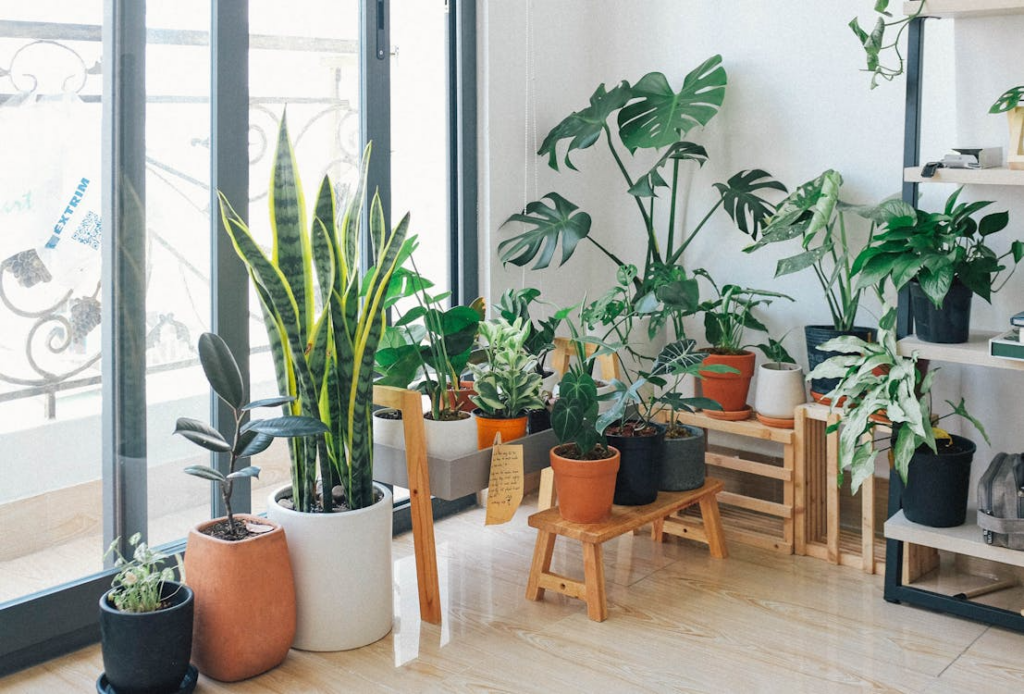
Planning makes sure that a garden is functional to the lifestyle and environment of the owner. Take into account size, sunlight, soil type, and maintenance requirements. Proper planning will avoid empty spaces. This is how you can evaluate space, choose plants, and establish functional areas to achieve the best outcomes.
Evaluation of Space and Soil Conditions
Measure your garden. Identify the exposure to sunlight, soil type, and drainage. Small garden design ideas benefit from vertical planting and compact layouts. The USDA Natural Resources Conservation Service suggests that soil testing should be done to determine the health and life of the plants.
Space assessment eliminates overplanting and guarantees growth. You can plan your space by taking accurate measurements to fit seating, paths, and decoration without creating a crowded feel. Assessment of the soil and environmental conditions will guarantee healthy plants and lessen the maintenance in the long term. The layout planning based on these factors will result in a successful and sustainable garden.
Choosing the Right Plants
Aesthetic and functional gardens are dependent on plant selection. Garden landscaping ideas involve choosing native and seasonal plants. According to the U.S. Department of Agriculture, native plants save on water and promote local ecosystems.
Flowering plants are colorful, whereas shrubs provide privacy and form. Planting annuals and perennials will guarantee the beauty throughout the year.
Grouping plants by their light and water needs makes maintenance simpler. Proper selection of plants improves aesthetic value, contributes to sustainability, and adds enjoyment of the garden in the long term.
Making a Decision on Functional Zones
Zones are used to arrange a garden in an efficient and pleasurable manner. Creative garden layouts include seating areas, vegetable beds, play spaces, and decorative corners. Trails direct the movement and avoid the trampling of plants.
Integration of recreational and ornamental areas permits a variety of activities. Beauty and practicality are balanced through proper planning. Zones minizise maintenance problems and enhance flow. Homeowners are able to enjoy gardening, dining, and leisure activities in well-defined and accessible areas.
Creative Garden Design Ideas
(Source)
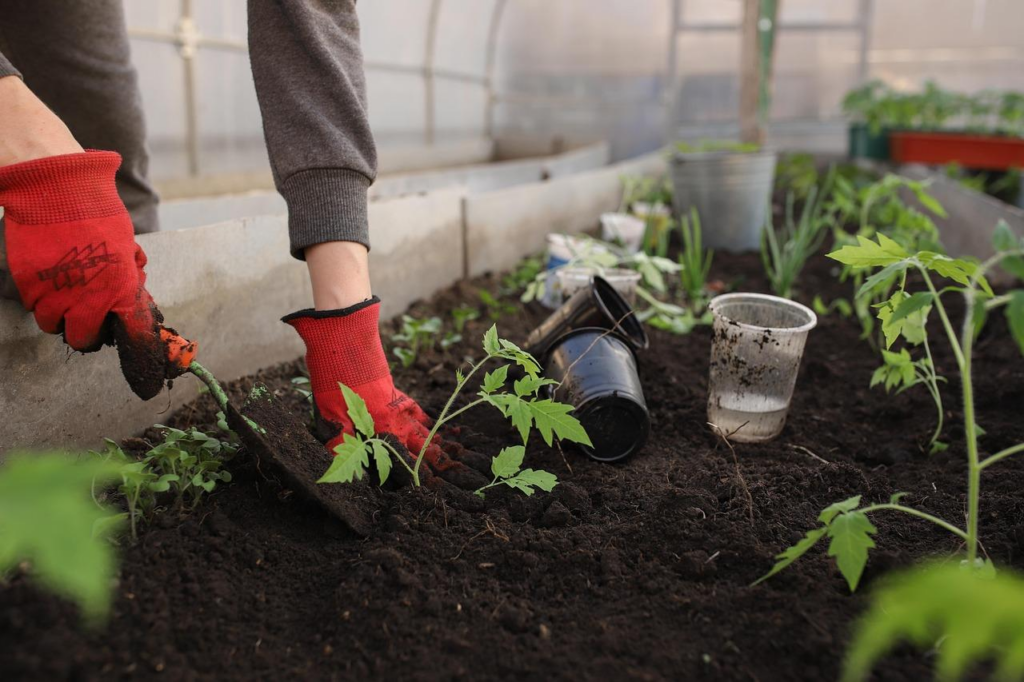
Creativity turns a garden into an inspirational one. The mixture of plant types, decor, and features makes it more interesting and useful. We shall describe small space solutions, new ideas, and decoration.
Small Garden Design Ideas
Small gardens need new solutions. Small garden design ideas include vertical gardens, raised planters, and foldable furniture. The space is visually enlarged by mirrors, light colors, and multi-level planters. Minor details like container plants provide greenery without being too many.
Effective designs maximize functional while remaining aesthetic. Even small areas can be transformed into spaces for relaxing, dining, or gardening. The innovative solutions make sure that small gardens are useful and attractive.
Contemporary and Modern Garden Ideas
Modern gardens focus on clean lines, minimalism, and multi-purpose areas. Modern garden design concepts integrate concrete, steel, and glass with greenery. Smooth seating, geometric layouts, and pathways create an elegant foundation, accented by low-maintenance plantings within the hardscape.
The integration of functionality and fashionability makes it long-lasting. Contemporary gardens can be used to entertain, reflect, or be casually used. Consideration of textures and materials brings a balance between the natural environment and structures.
Decorative Elements and Other Features
Ornamental features add character to the garden. Outdoor garden decoration ideas include fountains, sculptures, birdbaths, and trellises. Lighting is used to illuminate walkways and seats. A well-placed decor enhances functionality and beauty. Plants are organized using mulch, edging, and containers.
Elements such as pergola or gazebos are shady and comfortable. Ornamental elements blend both beauty and functional and transform the usual gardens into welcoming escapes. The right positioning will make the decorative elements add value to plants and hardscaping without crowding the area.
Lighting and Ambiance
Lighting makes it usable even in the evenings and emphasizes details. Adequate light enhances safety and ambience. Let’s describe the methods of light and seasonal improvements.
Lighting in Gardens Outdoors
Lighting focuses on the paths, seats, and plants. Garden design ideas include solar lights, spotlight, and string lights. The Department of Energy claims that LED lights can save up to 75% to 80& of energy.
Lighting helps to provide mood, accentuate focal points, and provide usability of the garden after the sun goes down. Layered lighting balances are both functional and beautiful, and offer safety and beauty.
Plants and Colors to Mood
Ambiance is affected by the choice of plants and color. Garden landscaping ideas use foliage, flowering patterns, and textures to create visual interest. The psychology of colors influences relaxation and energy. The combination of complementary colors adds to the harmony and mood.
Plantings are seasonal, giving variety to the year. Considerate color coordination is in favor of aesthetic value and practical zoning. The combination of plants and decorative details makes it an interesting, welcoming, and dynamic place.
Garden Improvements in Seasons and Festivals
Creative garden layouts allow rotation of decorative features and seasonal plants. Lighting, ornaments, and temporary planting refresh aesthetics.
Flexibility allows gardens to remain attractive and relevant year-round. Seasonal enhancements create excitement, provide variety, and maintain interest in the outdoor space consistently.
Ending Notes
Thoughtful garden design enhances aesthetics and usability Proper planning, plant selection, and decor create engaging outdoor spaces.
George Group implements ideas for designing a garden with professional planning, expert installation, and creative layouts to transform outdoor spaces into stylish, functional retreats. Connect now to elevate your garden with innovative, sustainable designs.