By George House/31,Jan,2026
New construction windows are commonly installed against exposed wall framing and integrated with the water-resistive barrier before exterior finishes are completed. Replacement windows may mean an insert fitted into a sound existing frame or a full-frame replacement that removes the old frame. Because trade terms vary, define the intended installation method in the quotation and drawings.
The best choice depends less on whether the building is “new” or “existing” than on the condition of the opening, the wall and cladding scope, required glass area, flashing access and project tolerance for finish repairs. A lower unit price does not establish a lower total installed cost when hidden damage or excluded work remains.
New Construction vs Replacement Windows at a Glance
| Installation approach | Typical existing condition | Opening and finish work | Main control |
|---|---|---|---|
| New-construction fin window | Open framing, new addition or reclad wall | Unit is integrated before cladding and internal finishes are complete | Flashing sequence and compatibility with the wall assembly |
| Insert or pocket replacement | Existing frame is sound, square and suitable to retain | New unit fits inside the retained frame; visible glass may reduce | Survey the retained frame, sill, drainage and clear opening |
| Full-frame replacement | Frame is damaged, opening changes or full access is required | Old frame is removed; interior and exterior finishes may need repair | Define demolition, substrate repair, flashing and reinstatement |
What Are Replacement Windows?
(Source)
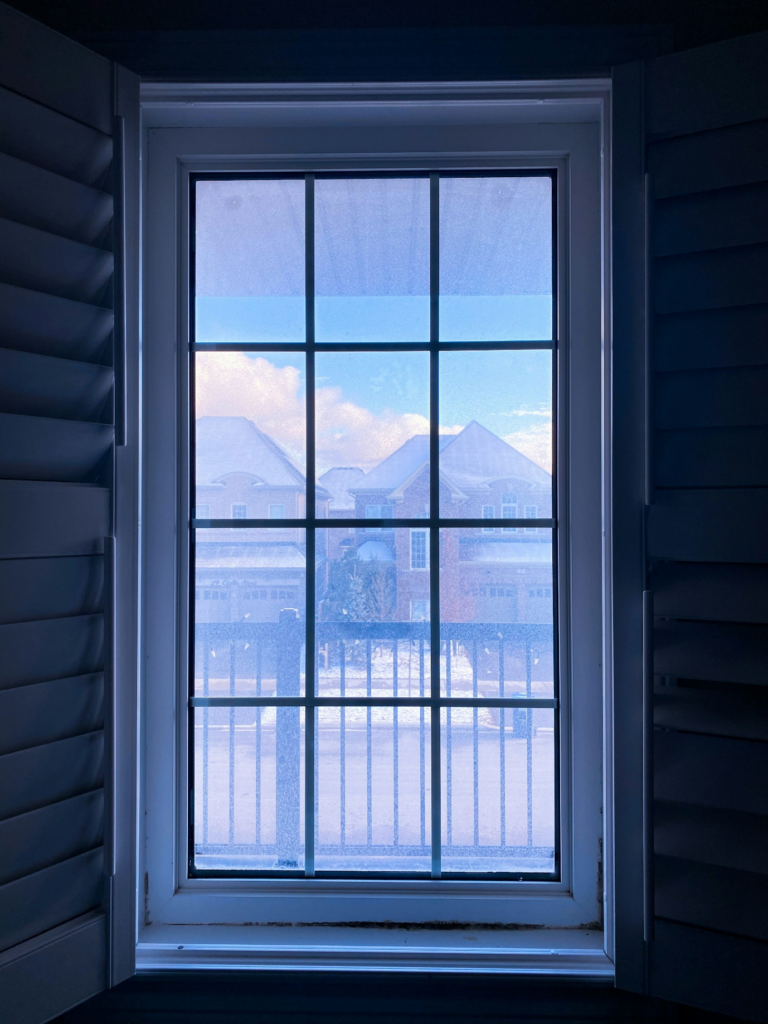
An insert replacement keeps much of the existing frame and places a new window inside it. This can reduce demolition and finish work when the retained frame is dry, stable, square and properly integrated with the wall. It can also reduce the visible glass area and does not correct concealed flashing or substrate defects outside the retained frame.
A full-frame replacement removes the old sash and frame back to the rough opening. It allows more of the opening and perimeter conditions to be inspected, but it normally requires a wider demolition and reinstatement scope. Ask the bidder to state which replacement method is included.
What Are New Construction Windows?

(Source)
A new construction window often has an integral flange or fin used to locate and attach the unit to the wall. The perimeter must be flashed and connected to the water-resistive barrier in the correct sequence. Details differ by wall type, exposure, manufacturer and local practice, so the fin alone is not proof of a complete weatherproof installation.
This approach is practical where framing is exposed or cladding is being replaced. It also supports a new opening size or location, subject to structural design and the exterior elevation. Use the window rough-opening measurement guide to distinguish the framed opening from the ordered unit and finished clear opening.
Choose by Frame, Wall and Water Conditions
When an Insert Replacement May Work
Consider an insert only after checking the existing frame for rot, corrosion, distortion, failed seals, blocked drainage and water staining. Measure width and height at several locations, check diagonals and confirm whether the reduced glass and clear opening remain acceptable. The retained frame becomes part of the new installation and should be recorded in the scope.
When Full Removal Is More Appropriate
Full removal may be appropriate when the frame or sill is damaged, the opening is changing, the wall has leakage symptoms, required clear opening cannot be achieved with an insert, or the exterior is already being rebuilt. Confirm structural support and hazardous-material procedures before demolition where relevant.
Compare the Complete Cost and Schedule Scope
Do not compare window unit prices without normalizing the work around them. An insert quote may exclude repair of the retained frame. A full-frame or new-construction quote may include demolition, flashing, insulation, trim, plaster, paint, cladding and access equipment. The window BOQ and quotation guide provides a line-item framework rather than a fixed market price.
- Window unit, glazing, hardware, screens and finish
- Removal, protection, disposal and temporary weather closure
- Framing, sill or substrate repair allowance
- Flashing, membranes, sealants and insulation
- Interior trim, wall finish and painting
- Exterior cladding, trim and coating reinstatement
- Scaffolding, access, protection and cleaning
- Testing, making good, warranty and exclusions
Separate Product Performance from Installation Quality
Glass, frame and complete-window ratings still matter; installation quality does not replace them. Select the operating type, frame material, glazing, thermal and solar properties, air and water performance, structural requirement and safety glass for the project. The window type selection guide compares common operating styles, while the aluminum versus wood window guide focuses on frame systems.
Then coordinate the perimeter detail. A high-performing unit can still fail if the sill does not drain, membranes are discontinuous, sealant joints are unsuitable or the frame is distorted during fixing. Require product drawings and installation details for the selected wall assembly.
Window Survey and Approval Checklist
- Window mark, room, elevation, quantity and operation
- Insert, full-frame or new-construction installation method
- Existing frame, sill, wall and leakage condition
- Rough opening, ordered unit size and required clear opening
- Frame material, finish, glazing and hardware schedule
- Flashing, drainage, membrane and sealant details
- Interior and exterior making-good limits
- Access, protection, temporary closure and installation sequence
- Performance documents, samples, testing and warranty
New Construction vs Replacement Window FAQ
Can New Construction Windows Be Used in an Existing Home?
Yes, when the project opens the wall or cladding enough to integrate the unit and perimeter flashing correctly. The label describes the installation approach, not the age of the building.
Are Replacement Windows Always Cheaper?
No. An insert often has less making-good work, but hidden damage, special sizes, access and exclusions can change the total cost. Compare the same product and complete installed scope.
Define the Installation Method Before Quotation
Record the existing condition, chosen installation method, unit performance and all making-good work in one schedule. For coordinated product and opening packages, review the project windows and doors overview before requesting quotations and shop drawings.