By George House/06,Feb,2026
Selection of a shower floor tile is easy until one gets into the details. Size influences safety, drainage, comfort, and style. Homeowners often hear conflicting advice about shower floor tile size and what works best for daily use.
There are those who like large tiles that are clean, and those who believe in smaller patterns as a grip. Understanding tile sizes for shower floors removes stress from renovation plans. This guide describes common sizes, safety issues, and practical applications in such a way that decisions become understandable.
Each bathroom is unique, but intelligent sizing principles can prevent slippery errors and regrets that last in the long term. So, without further ado, let’s get right into it.
What are the Common Shower Wall and Shower Floors Sizes?
(Source)
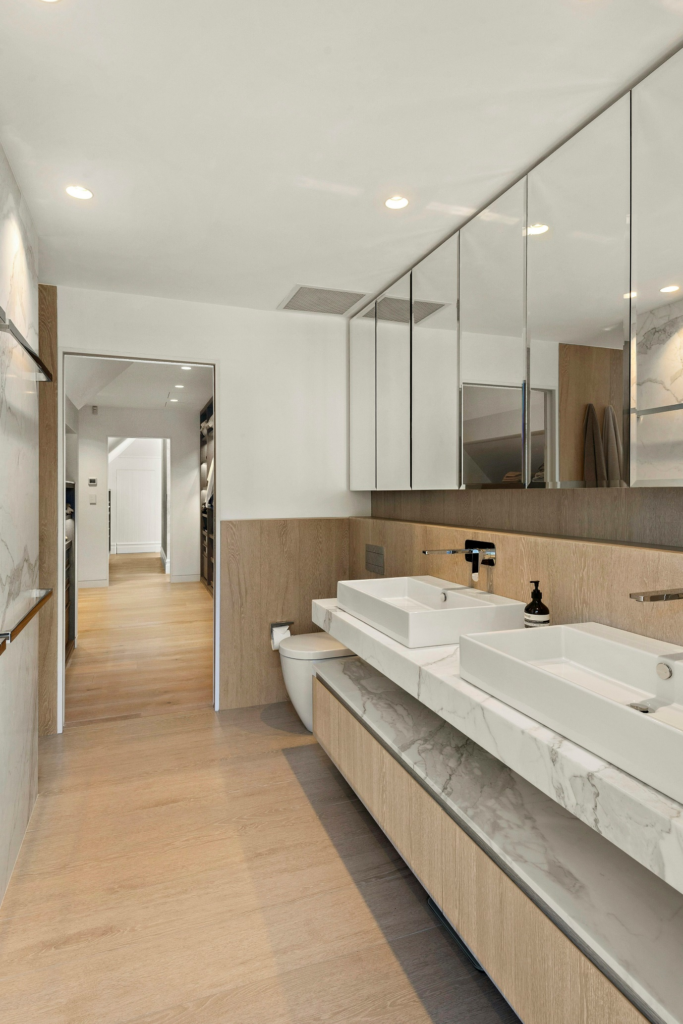
The reason behind the use of varying sizes of tiles in the bathrooms is practical. Larger tiles can be used on walls as the water flows down. Grip and slope control are required in floors. The average tile size for shower walls often ranges from 12×24 inches to 24×48 inches.
Floors tend to be based on smaller pieces. According to industry statistics provided by the Tile Council of North America, tiles less than four inches enhance the drainage capacity on sloping shower pans.
This explains why small tiles in shower floors remain popular. Learning these norms will make decisions narrower without being confined by trends.
How Do Most People Choose From Standard Tile Sizes For Shower Walls?
(Source)
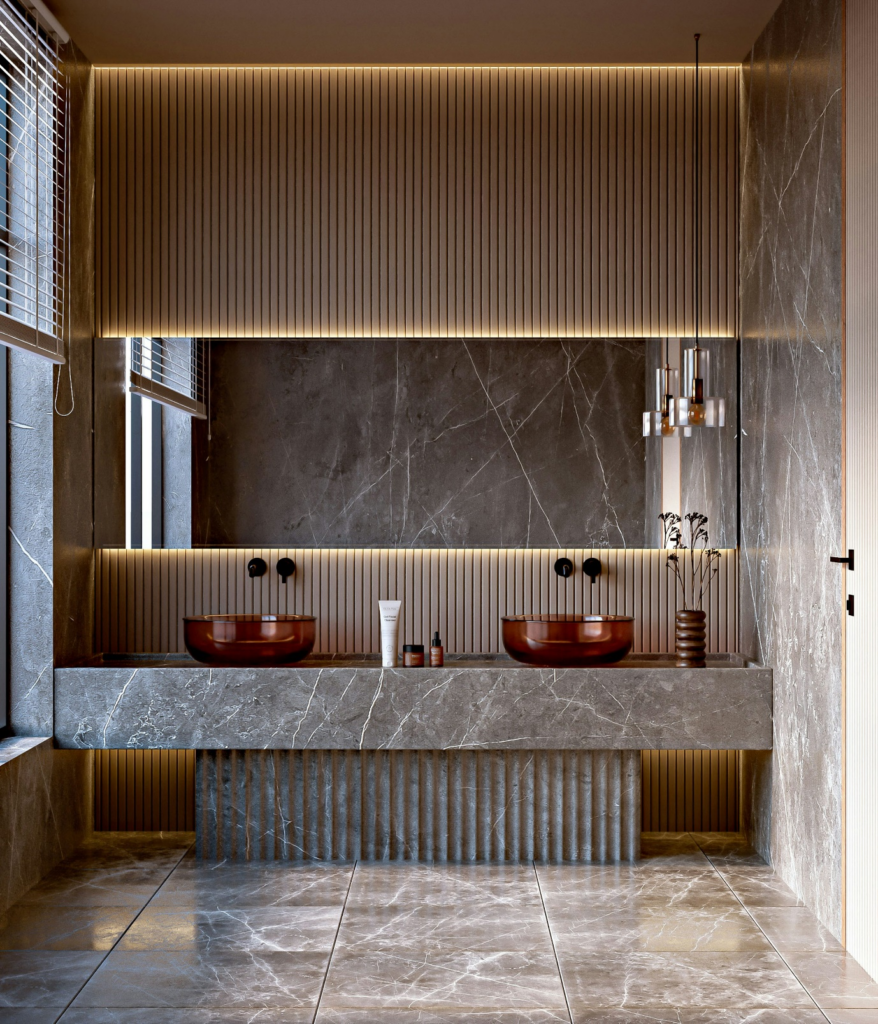
Wall tiles are commonly selected by the homeowner depending on the height of the room and the light. The bigger tiles minimize the grout lines and make the walls less tense. Common picks include 12×12 shower tile and 12×24 formats.
Floor choices are also affected by wall tile choices. Big walls are accompanied by small floors to maintain safety. This combination makes bathrooms useful without losing a contemporary touch.
What Is The Size Of The Majority Of Bathroom Wall Tiles?
(Source)
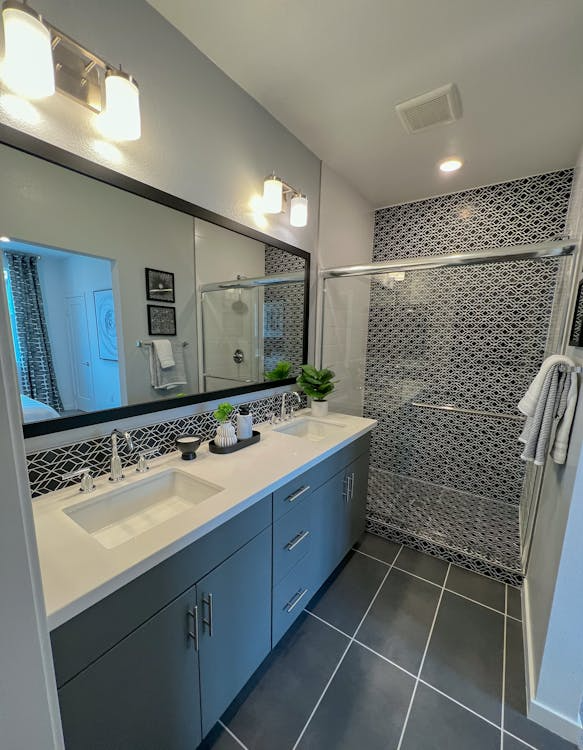
There are numerous formats of bathroom wall tiles, but there are some sizes that prevail. The most popular sizes are 12×24 inches and 24×36 inches. These sizes align well with standard bathroom tile sizes in feet, making layout planning easier.
One by two feet is a 12×24 tile, making it easy to space. The most common reason for the use of larger wall tiles is that it saves the installation time by a significant margin. The size of the walls influences the appearance of the shower floors, particularly at the junction of the walls and the base.
What Are The Most Appropriate Sizes Of Bathroom Floor Tiles?
(Source)
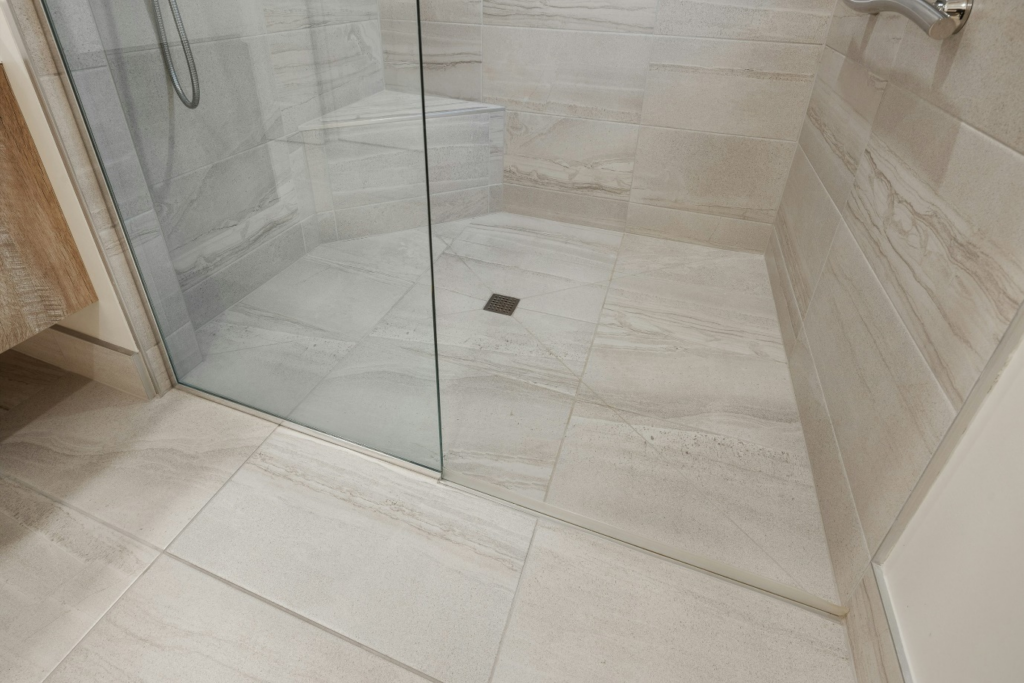
The flooring of bathrooms should focus on safety first. Shower floors are not similar to dry bathroom floors since water is always flowing on them. The best size floor tile for the inside of a shower usually falls between one inch and four inches. These sizes are more slope contour following and minimize slipping.
The dimensions of floor tiles matter because larger tiles struggle on angled shower pans. According to the data provided by the Occupational Safety and Health Administration (OSHA), the number of slip injuries decreases when small tiles with a textured surface are used in wet rooms.
This renders the choice of size a safety choice, rather than a design choice. It is safe to say that the size of the tile is important if you have someone elderly or a minor in your home.
Is It Better To Have A Non-Slip Tile Of Any Size?
(Source)
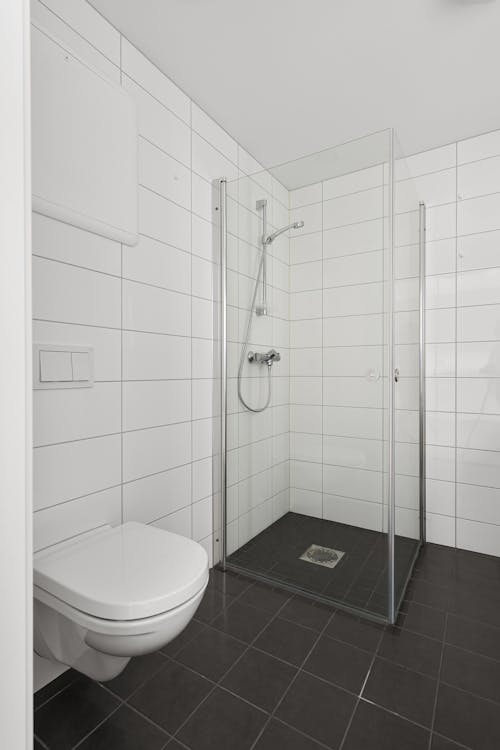
Anti-slip floors safeguard all those who enter a shower. The size of the bathroom floor tiles influences grip, but the texture of the surface is important as well. Smaller tiles incorporate lines of grout that enhance traction. Surface finish is more important in larger tiles. Let’s discuss the combination of size, texture, and layout to create safer shower floors and smarter planning.
Small Mosaic Tiles and Grip
Mosaic tiles are still popular for shower floors. The size of mosaic tiles for the shower floor often ranges from one inch to two inches. These tiny fragments move along slopes without difficulty and lead water to drains.
The more the grout lines, the more the grip under wet feet. Bathroom falls result in many injuries annually. Mosaic floors assist in minimizing this danger. Their flexibility makes them a strong answer for anyone asking what the best size tile for a shower floor in busy homes is.
Pebble Tiles and Tool Sizing
Natural feel and good traction are provided by pebble tiles. Their surface is not smooth, and this prevents slips. The size is as important as the installation. The size of the trowel for pebble tile on the shower floor is usually a quarter-inch square notch.
This size is distributed evenly without flooding joints. The wrong size of a trowel may lead to loose stones in the future. This Old House states that pebble tiles need to be set at a constant depth in order to be long-lasting. These tiles often answer the question of the best size tile to use on the shower floor for safety lovers.
Medium Tiles and Drainage Limits
Medium tiles, such as four-inch squares, appear clean but require proper planning. These tiles sit near the maximum tile size for the shower floor in many builds. The bigger pieces find it difficult on sloping pans due to the lifting of corners. The lack of drainage results in puddles.
Medium tiles may be used in case of a gentle slope and the center of drains. This option suits homeowners asking about the best tile size for the shower floor while still wanting fewer grout lines.
Big Tiles and Tradeoffs of Safety
Big tiles are attractive to contemporary preferences, but they are problematic for shower floors. Tiles like 12×12 shower tile often fail to conform to slopes. This forms standing water and slick areas.
The International Code Council (ICC) in the International Building Codes (IBC) says that flat tile surfaces enhance the risk of slipping in wet areas. Large tiles also restrict the location of drains. Whereas walls are friendly, floors are not. This makes large tiles a risky answer to the best size tiles for a shower floor in everyday households.
Layout Planning and Custom Showers
Custom showers are flexible and require planning. The size consideration for custom shower floor tile depends on drain style, slope, and foot traffic. Linear drains permit a little larger tiles. Smaller formats are favored in center drains.
improper drainage causes moisture accumulation, which impacts the indoor air quality. Professional guidance is an advantage of custom layouts. Considerate sizing will be safe and comfortable without the need for continual maintenance.
Find The Perfect Shower Floor Tile Size With George Group
Choosing the right shower floor tile size blends safety, comfort, and long-term ease. Strauss’s forward-looking knowledge avoids slippery regrets and drainage problems. George Group provides professional advice and professional installation that facilitates contemporary bathroom objectives with assurance and concern.