By George House/10,Mar,2026
Until measurements are brought into the picture, remodeling a kitchen or a bathroom is exciting. Comfort can be made or broken in a few inches. The proper height of the shower head influences everyday habits more than the majority of individuals anticipate.
The height of the right countertop will make cooking either easy or tiring. Dimensions affect the posture, safety, and long-term satisfaction. Intelligent planning minimizes avoidable strain and risk. This guide describes real-life standards in order to have your remodel work beautifully and be comfortable to use on a daily basis.
Height Standards of Shower Heads
The International Residential Code states that plumbing fixtures should be installed in accordance with minimum standards of installation to ensure safety and clearance. The Environmental Protection Agency (EPA) documents indicate that showers consume almost 17% of indoor residential water consumption. Placement influences comfort and water efficiency. Let’s discuss the reasons why accurate measurement is important.
Wall-Mounted (Standard)
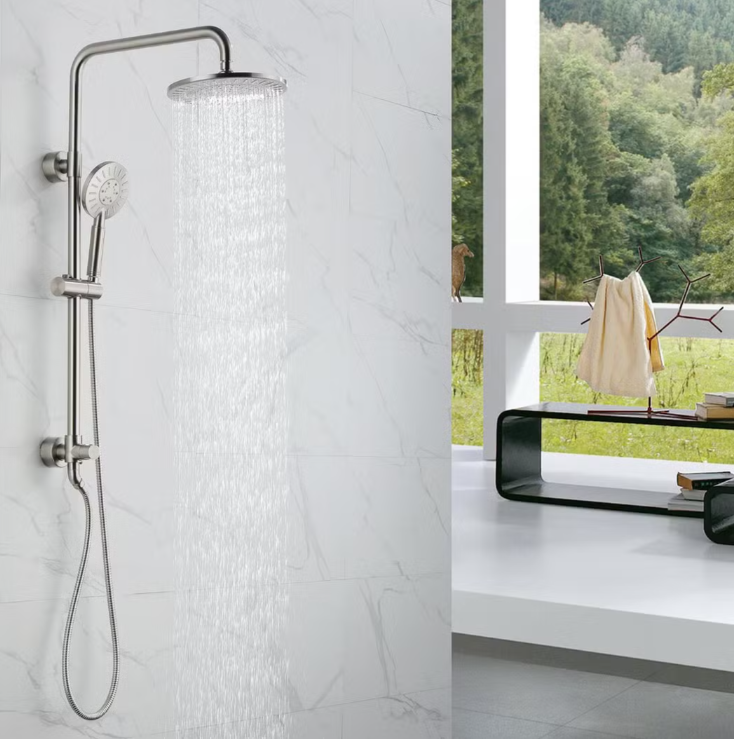
The standard height of the shower head of wall-mounted units is between 80 and 84 inches above the floor of the shower. This is the height that fits the average ceiling height and most adults can comfortably use it. Installers tend to use 80 inches as a standard for eight-foot ceiling homes.
Ergonomic balance matters. When it is mounted too low, tall users bend over. When sprayed too high, it is inefficient. In remodeling, make sure that the studs are in place and the pipe is laid out before finalizing the dimensions. Even a minor mistake turns out to be an irritation on a daily basis.
Rain Shower Heads
Rain systems mount on the ceiling, offering a distinctive vertical flow that sets them apart from ordinary wall-mounted fixtures. The height of recommended shower heads is usually 84-96 inches based on the clearance on the ceiling and the desired rainfall effect.
According to the U.S. Department of Energy (DOE), efficient shower fixtures can save a lot of energy in the use of hot water. Rain heads should be properly spaced vertically to avoid splashing and be comfortable.
Ceiling mounting should take into consideration insulation and ventilation access. Framing is normally reinforced by contractors to bear weight. The appropriate positioning ensures comfort, control of water, and ceiling ratio in the space.
Handheld Units
Shower handsets are flexible. To enable height adjustment, slide bars should allow users to reposition the shower head. They are typically mounted between 72 and 78 inches to provide full vertical adjustability.
Here, accessibility is a concern. Portable devices embrace the concept of universal design. They also serve families with children or people with mobility problems. Flexible location enhances autonomy and water conservation. Wall backing should be taken into account to ensure anchoring.
ADA/Universal Design
Universal design increases usability among age groups and physical abilities. The Americans with Disabilities Act (ADA) recommends that the shower controls should be within reachable distances and that grab bars should be structurally supported.
Design the shower head height to serve users comfortably, whether seated or standing, ensuring accessibility. Remodeling is becoming more and more important to aging homeowners.
Installation of adjustable shower systems is a guarantee of comfort in the long run. Future planning eliminates expensive changes in the future and helps to live independently.

Height Standards on Countertops
Everyday activities are dependent on the kitchen and bathroom counters. Preparation of food, grooming, and cleaning are all based on proper proportions. The wrong height of the countertop leads to back pains and wrist pains. Considerate measurement minimizes pain and enhances the working process. Here is a realistic criterion of the height standards for countertops
Kitchen Countertops
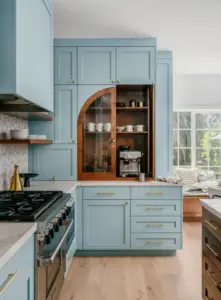
The average countertop height of kitchens is about 36 inches above the finished floor to surface. This dimension is most appropriate in food preparation among adults. Keep in mind that user height matters. Taller people may choose 37 or 38 inches to have a better posture.
Use baking stations on lower surfaces that require downward pressure. Before installing cabinets, remodelers should check the subfloor thickness. Minor differences have a great impact on the end height. Measurement is the key to making cooking natural instead of awkward and strained.
Bathroom Vanities
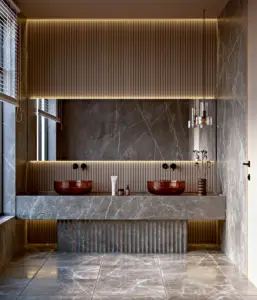
The conventional size of bathroom vanities was approximately 30 to 32 inches. The current designs have shifted to a height of 34 to 36 inches on a countertop to make it comfortable to the adult. This movement is an indication of shifting expectations and ergonomic consciousness.
An increase in vanity reduces bending strain during grooming routines. The process of remodeling older bathrooms may include plumbing modifications to suit new sizes. Vanity height should be adjusted to eye level by adjusting the mirror position. Planning ensures that there are no clumsy ratios in completed spaces.
Specialty Heights
Different countertop height solutions are an advantage of specialized work zones. Baking stations can be placed at a height of 30 inches to leverage. Standing Bar counters are usually 42 inches.
Remodeling flexibility enhances usability for various households. Early planning of specialty surfaces eliminates structural compromise. Personalized heights are practical, and aesthetic continuity is maintained.
Remodel Tips for Ergonomics
Remodeling does not just end with the choice of fixtures and finishes. Ergonomics are the makers of everyday experience. The height of the shower head and countertop affects the posture, safety, and movement. Considerate measurement is regretless. Here are some practical improvements that contribute to comfort in the long run.
Countertops
Countertop height adjustment needs a proper subfloor evaluation. Final measurement depends on the thickness of the flooring. Before installation on the surface, cabinet boxes should be aligned. The planning of the work triangle is still necessary.
The distance between the sink, stove, and refrigerator affects workflow efficiency. When remodeling, ensure that appliance specifications are checked, and then repair the placement of the cabinets. Minor distortions interfere with the visual balance and functionality. Regularity promotes the aesthetics and physical comfort.
Shower Heads
Confirming ideal shower head height involves measuring the primary user’s stature. Ceiling height and tile thickness influence final positioning. Plumbers should test spray reach before closing walls.
Efficient systems depend on correct placement. Improper height may waste water or cause splash beyond containment areas. Installing valves at accessible levels also improves safety. Accurate measurement protects both comfort and resource conservation.
Controls
Control placement often receives less attention. Yet height determines daily convenience. Shower controls should sit between 38 and 48 inches above the floor according to accessibility guidelines. Proper shower head height must coordinate with the control location.
Kitchen faucet handles must align with the chosen countertop height to prevent strain. Reaching too high or bending too low creates repetitive stress. Remodel planning should include mock positioning before final installation. Practical rehearsal prevents avoidable frustration later.
Wrapping Up
Correct shower head height and thoughtful countertop height define the success of any remodel. Small adjustments create lasting comfort and safety. George Group offers expertly crafted cabinetry and remodeling solutions that respect ergonomic standards.
Connect with George Group today and build spaces that support daily life with confidence and precision.