Single-Floor House Plans for Comfortable and Functional Living

By George House/09,Jun,2026

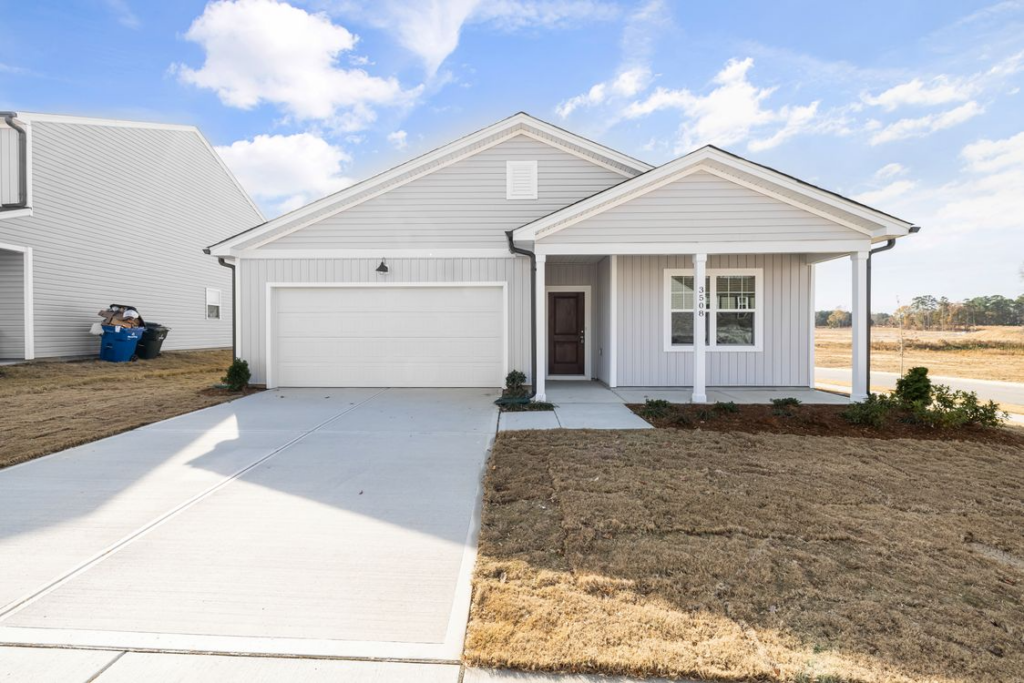
Homeowners seeking practical layouts without the hassle of multi-level structures are still interested in single-story residences. These houses eliminate the need for stairs in everyday use, making them more accessible and easier to maintain.

They are also popular with families for their safety, comfort, and versatility. The design also takes into account open spaces that are connected and easy to maintain.

The trends discussed above underscore the continued popularity of single-floor house plans for comfortable and functional living in contemporary home design, emphasizing their practicality and convenience for long-term living.

(Source)

Smart planning is important for single-floor homes because everything is on one level. Each square foot should have a definite function and still provide a place to move and a place to be private. These homes are often designed with flow, zoning, and flexibility in mind to make them feel bigger than they are. Shared and private spaces are well-balanced for everyday living thanks to their thoughtful placement. The objective is to minimize waste space while maintaining the openness, usability, and simplicity of the home for various uses.

Open-Concept Core

Open concept core brings kitchen, dining, and living spaces together with minimal visual barriers. This design enhances the interaction among family members and creates a larger feeling in the home. Natural light flows throughout common areas, minimizing the need for artificial light during the day.

Split-Bedroom Layout

Split Bedroom Layout is a bedroom configuration that divides the main bedroom from the secondary bedrooms. This enhances privacy for homeowners and will allow children or guest rooms to be located across the house. The separation also helps to minimize noise transfer between sleeping areas.

Flexible Bonus Rooms

Bonus rooms are flexible and can evolve over time according to the needs of the family. These areas can be used for home offices, playrooms, guest rooms, or hobby rooms. Their versatility means that homeowners can avoid big renovations in the future.

Seamless Indoor-Outdoor Flow

Single-level houses may have direct access to patios, gardens, or decks. There are large sliding doors or glass panels that provide a seamless connection between the outdoor and indoor areas. This will help to increase ventilation and natural light within the house.

Zoned Mechanicals & Storage

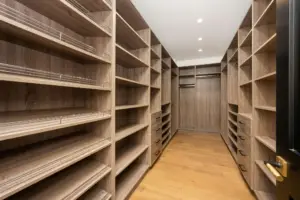
Mechanical systems and storage spaces can be zoned to increase efficiency in single-level houses. Strategically placed utilities, such as HVAC systems, for even temperature control. Storage areas are built into hallways, walls, and unused corners.

(Source)

Single-floor houses are available in a variety of architectural styles, depending on the land size, lifestyle requirements, and design tastes. Both types have their own set of benefits regarding layout flow, natural lighting, and outdoor access. The ideal design will vary based on the preferences of homeowners for privacy, openness, and functionality. These changes make it easier to adapt to single-level living in various geographic areas and climates.

Modern Farmhouse

Contemporary farmhouse designs blend open spaces with a charming rustic feel. They tend to have large kitchens, wide porches, and exposed structural elements. The farmhouse-inspired designs are among the most popular residential styles in suburban developments, thanks to their versatility and cozy charm.

L-Shaped/U-Shaped

L-shaped and U-shaped layouts provide privacy between rooms and help to define outdoor courtyards. These designs provide separation of living areas while maintaining a single level. They also provide greater access to natural light throughout the house, particularly in warmer climates, and courtyard-centered designs.

Classic Ranch

One of the most popular single-story house designs is the ranch style. They are long, low, and wide with a focus on horizontal space. The simplicity and low maintenance of ranch homes are well-suited for easy movement and accessibility, which is why they are still very popular among families and retirees.

Minimalist Cottage

Minimalist cottages have a minimalistic design, meaning that they are designed to be as small and efficient as possible. These houses are typically characterized by their minimalist design, neutral color schemes, and efficient use of space. They are ideal for small families or secondary homes. The trend of smaller single-level homes is increasing because of affordability and energy efficiency.

When designing a home that is going to be used on a single level, it is important to maximize the space and minimize the footprint. Comfort can be optimized by making small changes to the ceiling height, orientation, and storage location. The emphasis remains on multi-functional use of each space, and visual openness and ease of movement around the house.

Leverage Vaulted Ceilings

Vaulted ceilings provide vertical space to make single-story houses appear bigger and more open. They enhance ventilation and let in more natural light in the interior spaces. This design element is especially useful in living rooms and kitchens. Well-designed ceiling heights can improve passive cooling in warm climates by improving air circulation.

Prioritize Plot Orientation

Good orientation will allow for the best use of daylight and ventilation during the day. In residential buildings, the orientation of the building can have a significant impact on heating and cooling costs, as it determines the amount of sunlight that reaches the interior.

Built-in Smarter Storage

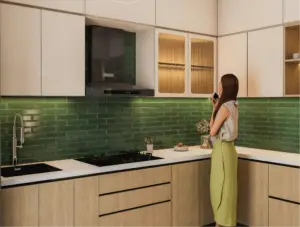
Built-in storage helps to keep clutter to a minimum and makes single-level homes easier to use. Storage can be incorporated into walls, stairs, free areas, and under seating areas. Incorporating storage into modern home designs is becoming a popular trend among homeowners, as it offers a way to maximize space without compromising on style.

A single-floor house is best when the design is based on practicality rather than frills. The little things can make a big difference in the sense of space, comfort, and efficiency in the home. Let’s go over some strategies that you can go for.

Utilize Natural Light Distribution As Much As Possible

Natural light creates a more comfortable environment and decreases the need for artificial lighting during the day. Sunlight is able to penetrate deeper into the house through the use of large windows on opposite walls. Skylights also help to illuminate central areas lacking exterior walls.

Develop Clear Visual Pathways

In a single-level house, clear visual pathways help to define the movement. Straight lines between rooms enhance orientation and increase interior space. No needless partitions promote good flow and minimize visual clutter, which enhances the perceived space efficiency in small homes, particularly when they are single-level.

Integrate Multi-Purpose Furniture

Multi-purpose furniture enables rooms to be used for more than one purpose without increasing square footage. Sofa beds, extendable dining tables, and storage ottomans are useful for smaller spaces.

Focus on Noise Control Zones

Noise control becomes important in single-floor homes since all rooms exist on one level. Strategic placement of bedrooms away from high-activity areas like kitchens or living rooms helps reduce sound transfer. Rugs, wall panels, and soft furnishings also help absorb noise.

Single-floor homes remain a strong choice for families who value accessibility, efficiency, and long-term comfort. Their layouts support flexible living while reducing unnecessary structural complexity.

George Group delivers practical design solutions for single-floor homes that balance comfort, function, and modern living needs with lasting architectural value.

Share:

More Posts

Send Us A Message

George House Material Company Logo