By George House/03,Jun,2026

(Source)
When creating the color scheme for a warm modern living room, it is best to begin with a soothing but appealing selection of colors. A well-chosen color palette can transform a space from cold and dull to warm and inviting, without overpowering the design.
Homeowners today are more concerned with tones that will enhance a modern interior, while also providing comfort. This living room color ideas for a warm modern space guide examines some of the most effective color palettes and actual design strategies for all home layouts.
It also explains the effect of light, texture, and materials on color effect. You’ll discover a direction that will guide you to create balanced and livable interiors easily.
Essential Warm Modern Color Palettes

(Source)
Modern interiors are warm and rely on color balance, not contrast. The idea is to make the walls, furniture, and natural light work together in harmony, but not be too stark or hard. The following palettes demonstrate that a subtle change in tone can produce a comfortable, modern, yet fresh and refined living room.
Elevated Earth Tones
Stable earth colors are used in modern living rooms to give them stability without making them feel burdened. Clay, sand, and neutral terracotta hues offer a solid foundation that complements straight lines and simple furniture design.
These tones will bring a sense of nature to the home, which will help to alleviate tension in a busy space. One of their major benefits is that they can easily be integrated into wood, stone, and metal finishes.
Earth colors are frequently used as a base color, and accents are created with textiles and décor. For instance, a soft clay wall and beige seating provide a unifying flow. Natural color environments can enhance the perceived comfort of indoor environments, particularly those with a strong artificial lighting component.
Earth tones also help to minimize glare, making it easier to see in open living spaces. These shades are frequently used in contemporary designs, typically with matte tones. This will prevent reflection overload and maintain a consistent appearance. In general, high earthy tones give a solid but adaptable tone to warm contemporary interiors.
Warm Minimalist Creams
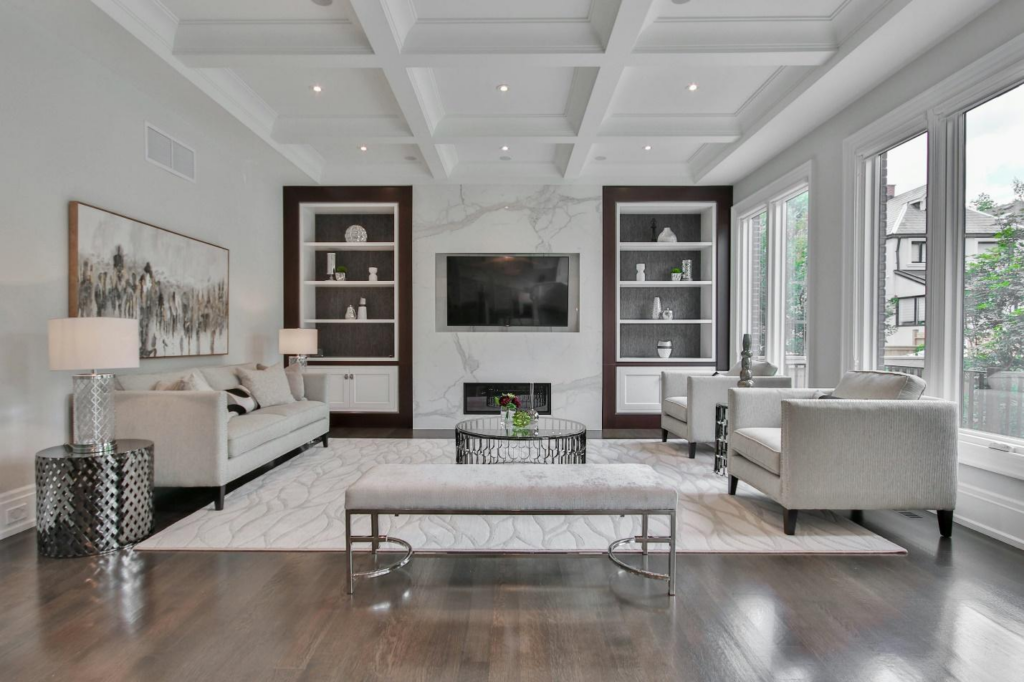
Cream colored paint palettes are still a good option for contemporary homes looking for a bright yet not stark white palette. These shades are between off-white and soft beige, adding a touch of warmth to rooms. These are great to use in smaller living rooms as they reflect light naturally and make the space look larger.
Warm creams also make a neutral base for layered décor. Wooden furniture, linen fabrics, and soft metallic accents all fit in seamlessly with this palette. Interior colors that are lighter can help decrease the need for artificial light during the day, making homes more energy efficient.
This palette is also easy to style for the seasons. Deeper accents (rust or walnut) add depth in cooler months. Lighter fabrics keep cool in the summer. Minimalist creams are therefore a good base for changing interior ideas, while maintaining a calm and modern atmosphere.
Moody Ochres & Browns
Modern living rooms look great with some ochre and brown hues to add depth to the design without overpowering it. These colors are appropriate in larger rooms where more intense colors can be complemented by natural light.
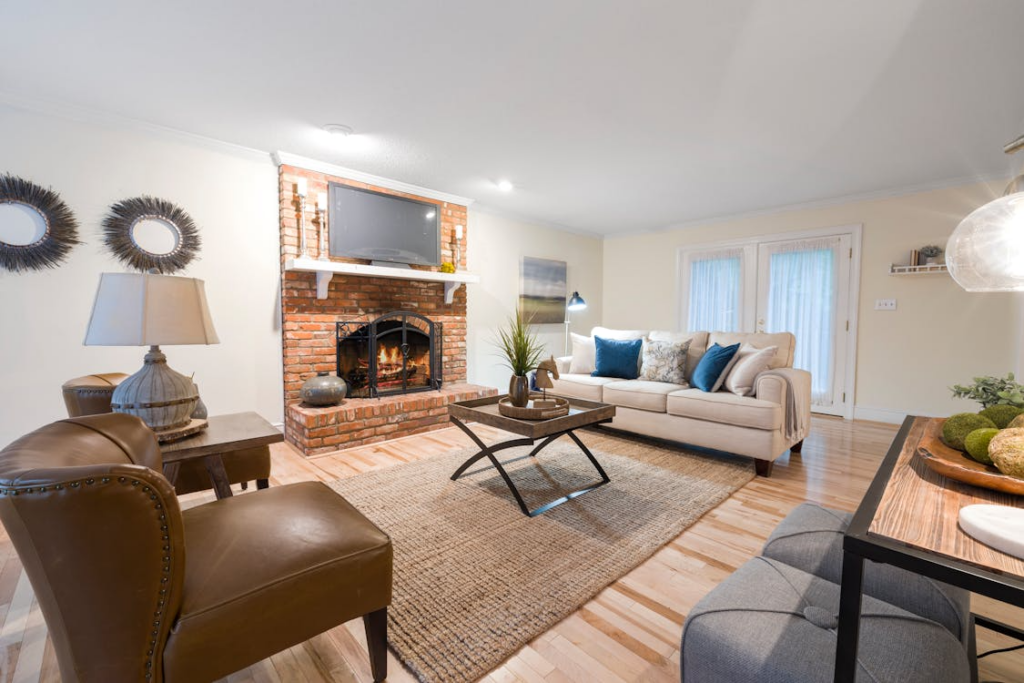
They bring a more personal touch, creating a more real and homely environment. Leather furniture and dark wood finishes tend to look good with the moody browns. On the other hand, ochre accents add warmth but not weight.
Warm interior environments can help to provide occupant comfort and enhance perceived space quality in public and residential buildings. These tones can be used judiciously to help create zones in open plan designs.
For instance, darker accent walls can be used to define the seating area from the dining area. This way, you can keep the design working yet still have a flow of visuals. Moody ochres and browns are perfect for homeowners who want to go for a moodier, darker look in their color palette.
Strategic Implementation Tips

(Source)
A warm modern living room isn’t just about the color. The atmosphere is created by the way colors are used throughout the surfaces, lighting, and materials. The following strategies help to ensure that selected palettes are effective in actual living situations, and not just on design boards.
Avoid Using Patterns and Stick To Texture
Texture can give dimension without being in competition with color. In warm modern interior spaces, subtle textures are more common than bold patterns in order to remain in visual calm. Fabrics such as linen, wool, and brushed cotton help the colors to fade slightly with various light sources.
Soft colors are more vibrant with textured surfaces. Simple plaster finishes can achieve depth. The choice of materials within a home can play a major role in the perceived comfort and spatial quality of a home.
This will help avoid “flat-looking rooms.” Texture is natural variation, rather than the use of printed patterns. A cream sofa is more interesting than a patterned sofa, for instance. The outcome is a space that is layered but never over-layered.
Use Natural Materials to Help Anchor
Warm contemporary color schemes are enhanced by natural materials. The use of wood, stone, and rattan provides grounding elements to avoid soft palettes being too light or undefined. These materials also add a touch of organic variation, which helps to bring color depth.
Medium oak and walnut woods are good choices for earth-toned palettes. Subtle contrast (travertine or limestone stone surfaces) without disturbing the visual flow. Natural material integration in interiors can help enhance the satisfaction of the occupants and contribute to a healthier indoor environment.
These materials are commonly used in the living room for furniture, flooring, or accents. They enhance the relationship between color and structure. This way, warm contemporary colors don’t appear like a mere decoration.
Layer the Lighting
The lighting can make a difference in the warmth of modern colors during the day. Even the best colors can appear dull and uncoordinated without the right layering. A balance of ambiance, task, and accent lighting is used.
Warm lighting temperatures will help to make earth tones and creams look softer. Lighting can be cooler in areas where reading or working is required, but is sparingly used to keep the lighting clear. Layered lighting strategies can improve both energy efficiency and visual comfort in residential interiors.
Floor lamps, wall sconces, and recessed lighting each contribute differently to color perception. When layered correctly, they prevent shadows from overpowering warm tones. This creates a steady visual environment that adapts to different times of day without disrupting the overall design mood.
Create Your Warm Modern Living Room with George Group
Warm modern living rooms rely on balanced color choices supported by texture, materials, and lighting. When these elements work together, the space feels comfortable and visually steady without becoming plain or overly styled. A thoughtful approach to Living Room Color Ideas for a Warm Modern Space ensures long-term design consistency.
George Group delivers design solutions that align color, structure, and comfort for modern interiors that last.