
By George House/08,Apr,2026
A kitchen is a place where all details are in place. The size of a typical kitchen trash can is frequently ignored, but it influences everyday lives in a way that it is not supposed to. A small bin fills fast, whereas a large bin wastes space.
The Environmental Protection Agency (EPA) reports that the average household produces more than 4.9 pounds of waste per day. That is why it is critical to select the right size of trash can in the kitchen to be efficient.
The trash can should be well-fitted to ensure that the kitchen is clean, organized, and easy to use. This guide describes sizes, measurements, and useful methods of selecting the correct option.
Typical Trash Can Capacities in the Kitchen
(Source)
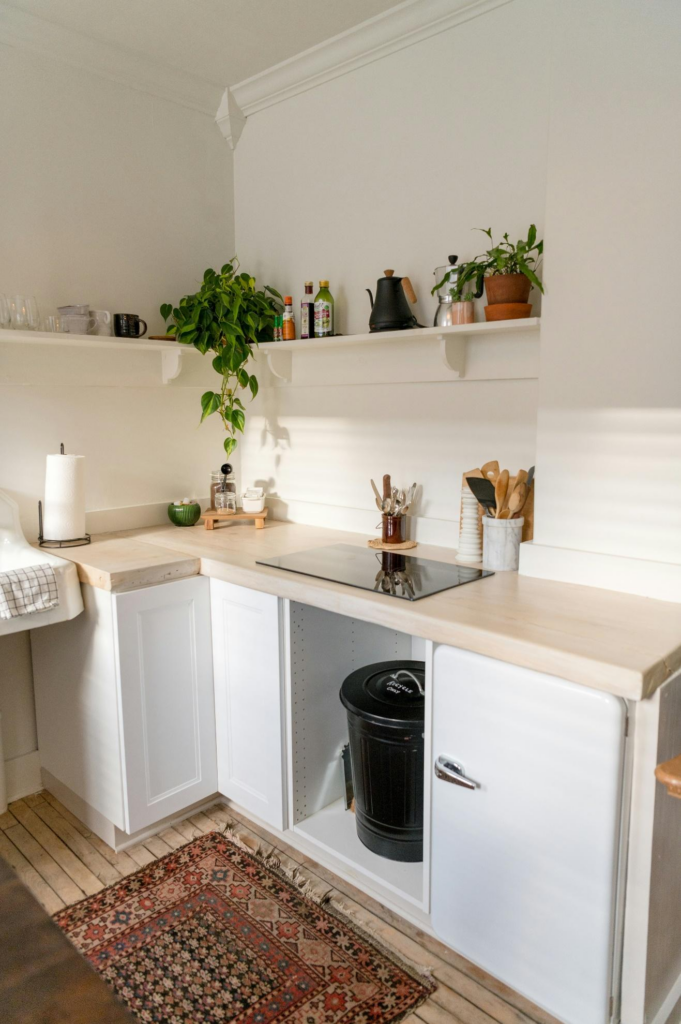
Trash cans are available in various sizes to suit various requirements and areas. Standard kitchen trash cans fall in the mid‑size range, but smaller and larger options serve specific needs. Let’s describe the functionality of each size category in a standard kitchen configuration and daily activities.
Small Capacity: 8 to 10 Gallons
Small bins provide a small space solution. These are the typical sizes of kitchen trash cans that are suitable for apartments or kitchens with little waste. They can be placed under sinks or in small cabinets. These bins must be emptied regularly, and this will minimize the odors and overflow.
They are appropriate when one is single or cooks lightly. Although small, they are capable of managing daily garbage. The size also facilitates recycling separation when combined with other bins in the same cabinet space.
Normal Capacity: 12-13 Gallons
The 12 to 13-gallon range is still the most popular among households. This is a standard size of a kitchen trash can that balances space and capacity. It is suitable for the majority of cabinets and kitchen designs. The use of mid-sized bins is preferable in contemporary houses.
This size can manage the daily waste without the need to empty it all the time. It is also compatible with standard trash bags, making it easy to maintain.
This is an option that is used by families on a daily basis. It has sufficient space to store food scraps and packaging without consuming too much cabinet space.
Big Capacity: 20 Gallons and More
Large bins manage high waste volumes in busy kitchens. These standard trash can sizes work best for large families or frequent, heavy cooking.
According to the U.S. Department of Agriculture (USDA), food waste constitutes a large part of household garbage. The bigger bins decrease the frequency of disposal. They also need additional cabinet space, and this can reduce the possibilities of placement.
The capacity increases the importance of odor control. This problem is controlled with the help of proper liners and lids. This size is most suitable in large kitchens that have separate waste storage places.
Dimensions and Clearance Requirements
(Source)
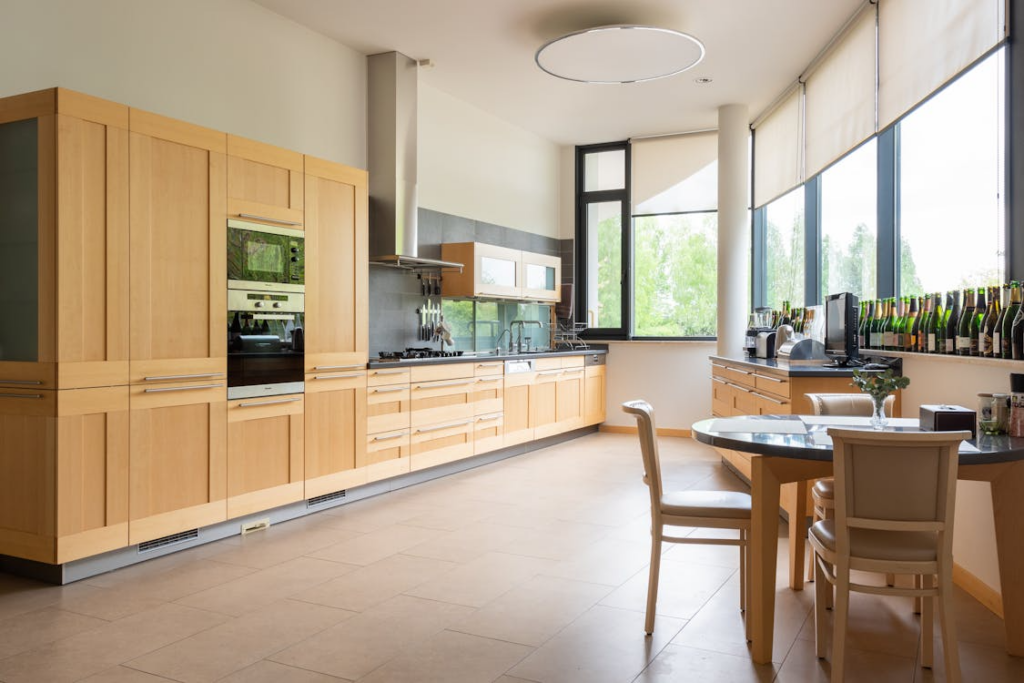
The capacity is not enough to select the right size. The size of the standard kitchen trash can should also be able to fit in the cabinets and move freely. Let’s elaborate on important measurements and spacing requirements of a functional and smooth kitchen setup.
Normal Height, Width, and Depth
Dimensions determine the fit of a trash can in an area. The typical size of the kitchen trash can is 20-27 inches high, and the width is 10-15 inches. Depth varies based on design. The cabinets should have sufficient space to accommodate the bin and its movement.
A snug fit will be frustrating to use on a daily basis. It is best to measure the bin and the available space to have a better fit. This measure avoids post-installation problems and helps in smooth running.
Swing Room and Lid Clearance
Movement of the lid needs additional space, which most individuals overlook. The size of the standard kitchen trash can should be big enough to open and close. Swing lids require space upwards, and step lids require space forward.
The height of cabinets might be a limiting factor for some designs. The lid is properly planned to make sure that it does not strike surfaces. This fact enhances the ease of use and eliminates wear and tear. A fitted lid system makes the kitchen clean and manageable.
Finding Your Floor Space and Narrow Gaps
Placement is influenced by floor space and narrow aisles. The size of the standard kitchen trash can must not be too large to cause movement obstruction. Small kitchens should have small bins that can fit in corners or cabinets. The width and depth are measured to make sure that the bin slides in.
This measure also eliminates interference with the surrounding appliances. An appropriately placed trash can facilitates effective working. It makes the kitchen tidy and easily accessible for day-to-day activities.
Installation of Trash Cans in Kitchen Cabinets
(Source)
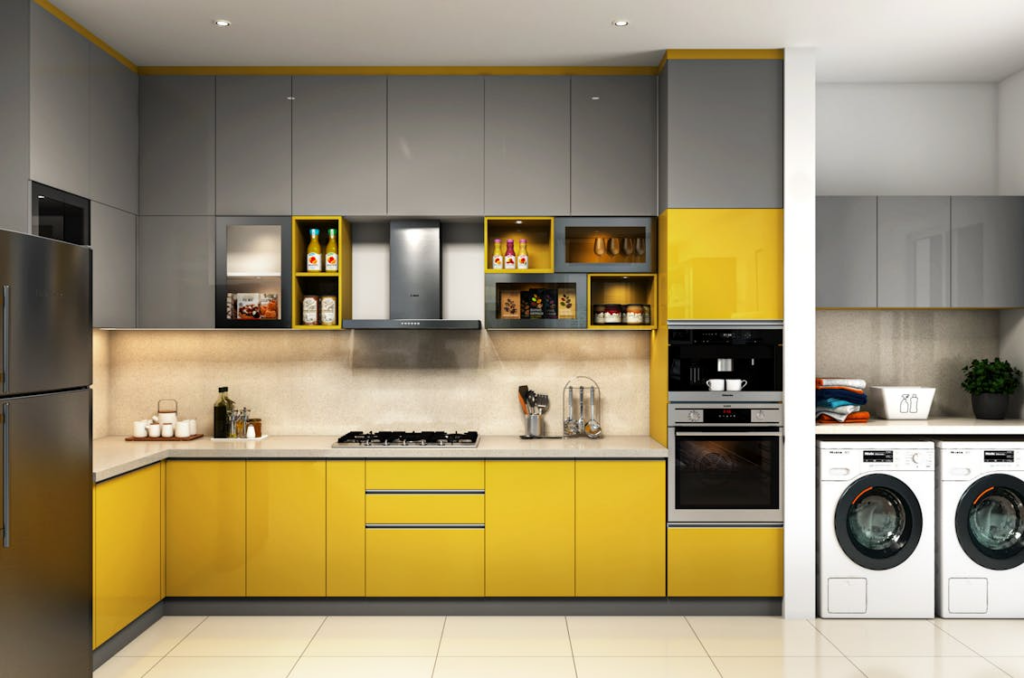
Integration of the cabinets enhances the look and functionality. The size of the standard kitchen trash can must be the same as the cabinets to fit in perfectly. Below are the general configurations of cabinets and how to select the appropriate bin to use in each configuration.
Plumbing Obstacles and Under-Sink Constraints
Cabinets that are under the sink can be quite problematic. The plumbing pipes decrease the space that the standard size of the trash can in the kitchen can hold. The measurement of pipes is done to make sure that the bin fits without any hindrance.
Bins that are flexible or shaped to fit may be more effective in narrow spaces. The height is also important since pipes occupy the vertical space. The correct size will avoid frustration in the installation process. This design will make the trash can fit well and leave space to accommodate plumbing parts.
Pull-Out Cabinet Dimensions and Rail Systems
Pull-out systems provide an unobtrusive and clean way of storing waste. The size of the standard kitchen trash can should be equal to the frame and rail system of the cabinet. Rails enable easy access and movement. The width and depth are measured to provide correct installation.
The recycling and separation of waste are supported by the use of double-bin systems. These arrangements enhance order and ensure that rubbish is not visible. Correct alignment helps to avoid jamming and guarantees performance in the long run. Pull-out systems are still a favorite with effective kitchen layouts.
Tilt-Out Trash Can Cabinet Sizes
Another space-saving solution is tilt-out cabinets. These systems are typically limited in size by the size of the standard kitchen trash can. These cabinets conceal the bin through a tilted panel. They can be used in small kitchens or island units.
Capacity can be restricted, and it needs to be emptied more often. Sizing is appropriate so that the bin fits into the frame. This design makes the kitchen appear tidy and, at the same time, easy to access.
Conclusion
The size of the standard kitchen trash can has an impact on efficiency, cleanliness, and comfort in any kitchen on a daily basis. Fitting the correct fit enhances organization and workflow.
George Group provides practical solutions that are in line with the current kitchen requirements to assist in the creation of spaces that remain clean, functional, and easy to manage.