By George House/23,Jan,2026
Kitchen cabinet colors for 2026 are best treated as a project selection decision, not a promise that one shade will stay fashionable or increase resale value. The right palette depends on the room’s daylight, fixed finishes, cabinet substrate, cleaning expectations and the approved sample. This guide turns color inspiration into a specification that a designer, buyer and factory can follow.
Start With the Fixed Materials
List the items that will remain in the kitchen: flooring, countertop, backsplash, wall color, appliances and metal finishes. Compare cabinet samples beside those materials rather than judging a color on a phone screen. Review each sample in morning, afternoon and artificial light because undertones can shift with illumination and adjacent surfaces. Benjamin Moore’s paint sample guidance likewise recommends testing colors in the actual space.
A Practical 2026 Cabinet Color Shortlist
Warm Whites and Creams
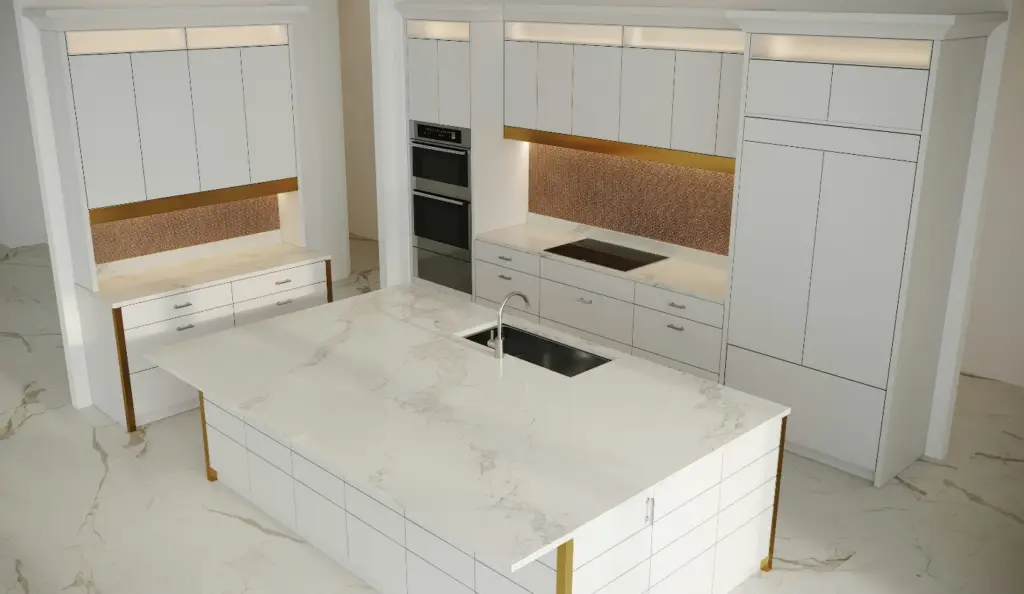
Warm whites and creams can suit kitchens with timber, beige stone or warm metal finishes. Specify the exact color reference and sheen; “white” alone is not enough for a purchase order. Check whether the finish reads yellow, pink or gray beside the selected countertop.
Muted Greens
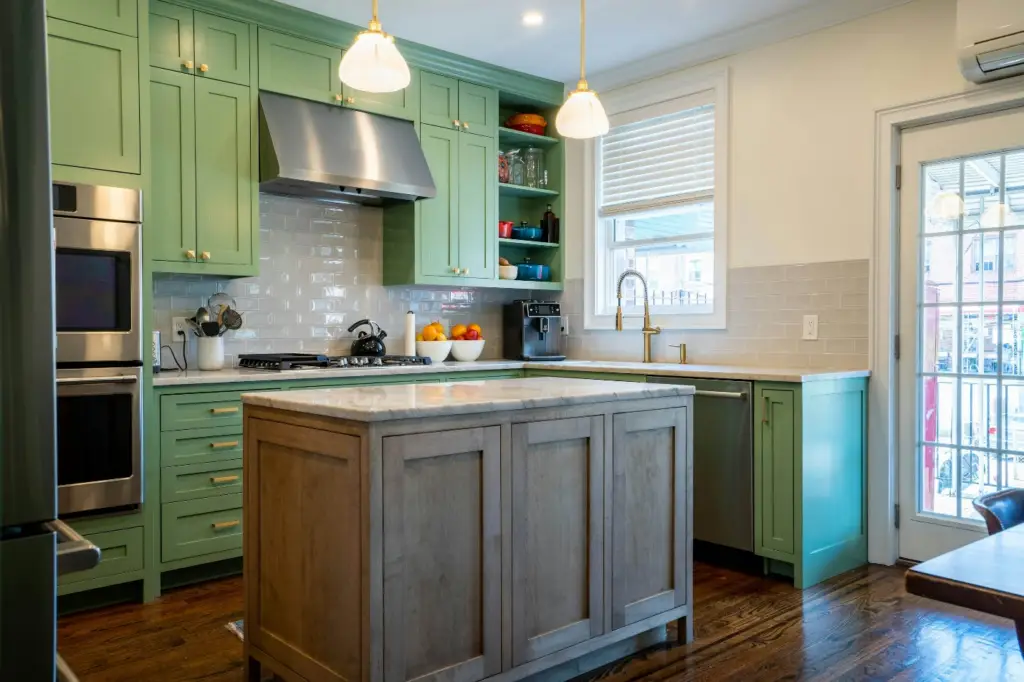
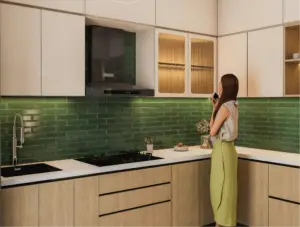
Sage, olive and other muted greens create a distinct palette without relying on a highly saturated finish. They often coordinate with timber and stone, but the result still depends on the actual samples. Green does not provide a verified health or stress-reduction benefit simply because it is used on cabinetry.
Warm Grays and Greiges
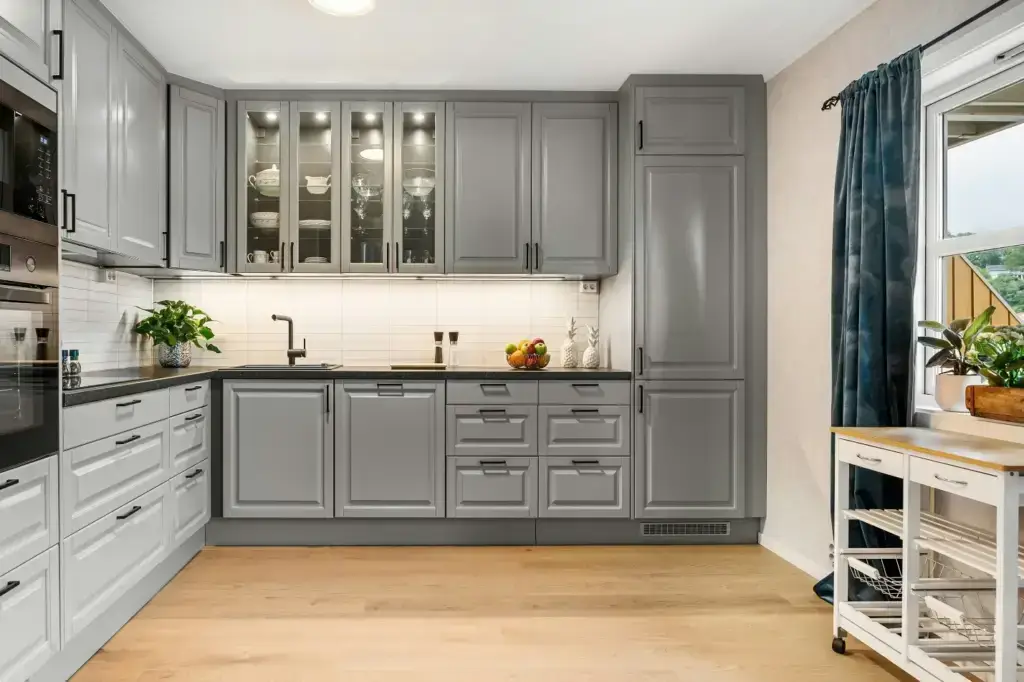
Gray and greige can bridge cool appliances and warmer floors. Compare the cabinet chip against the wall paint and stone slab to avoid unexpected blue, green or violet undertones.
Blue and Deep Neutrals
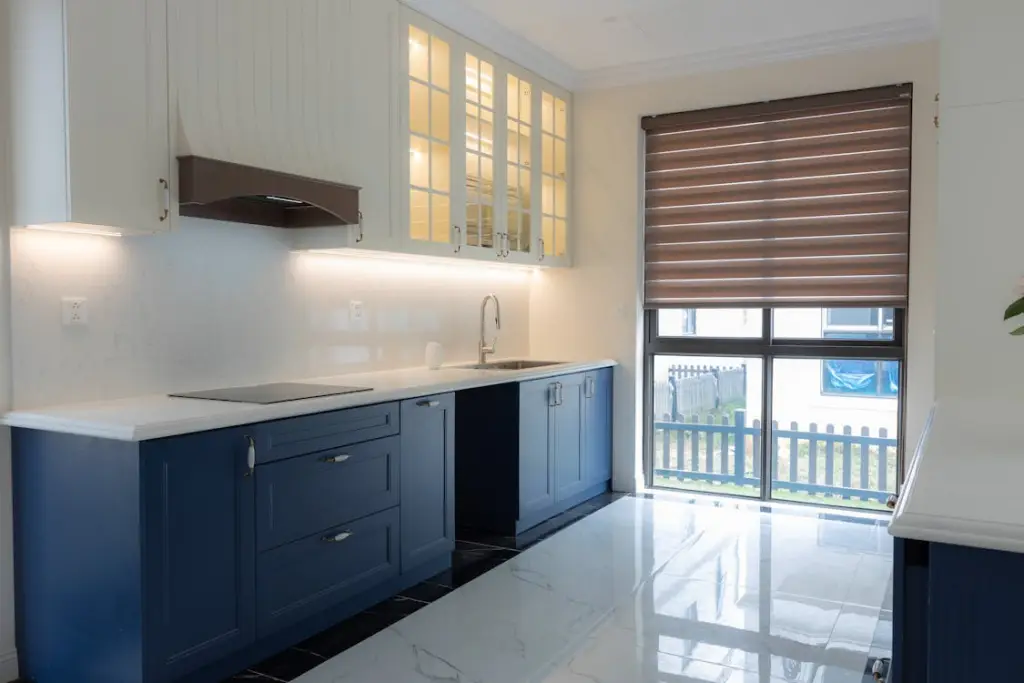
Navy, charcoal and black can work as an island color or across a full run. Dark finishes may make dust, fingerprints, edge wear or surface variation more visible, depending on sheen and lighting. Review a full-size door sample rather than a small color chip.
Taupe, Beige and Timber Tones
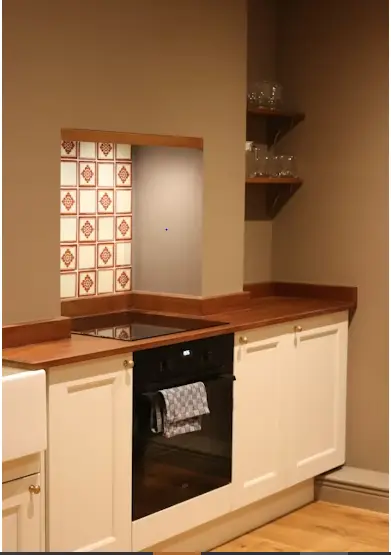
Earth-toned paint and timber-look finishes can connect cabinetry with stone and wood surfaces. For more examples, compare the project conditions in our taupe kitchen cabinet guide and knotty alder cabinet guide.
Two-Tone and Accent Colors
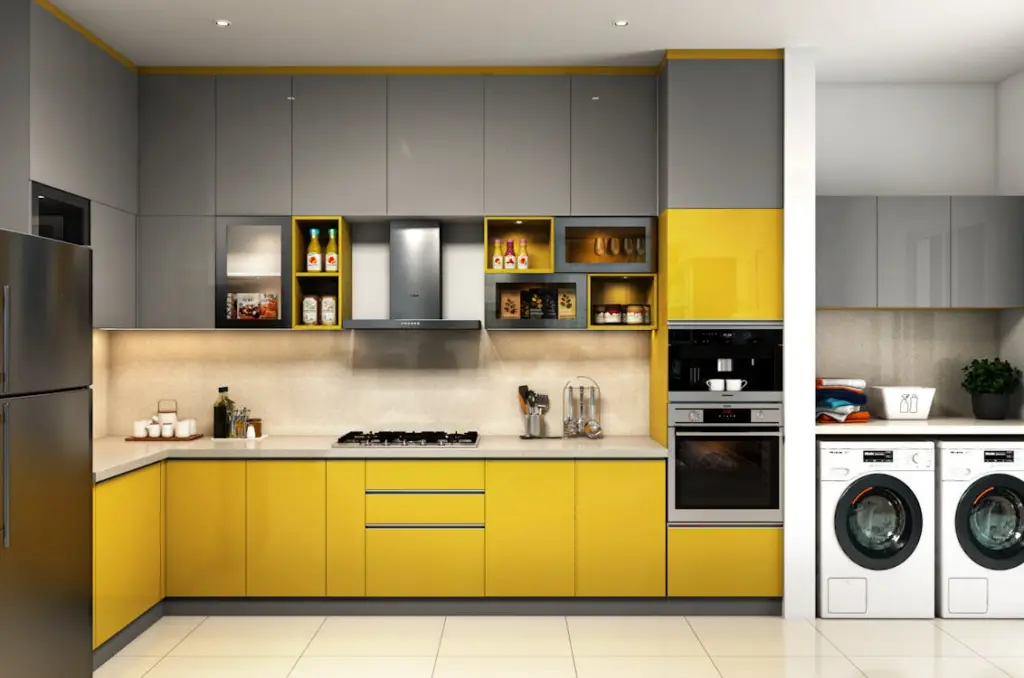
Two-tone schemes can separate an island from perimeter cabinetry or distinguish tall units from base cabinets. Record exactly where each finish starts and ends on the elevation drawings. This avoids relying on verbal descriptions during production.
Finish Performance Matters as Much as Color
Ask whether the visible finish is paint, stain, laminate, veneer, melamine or another system. Confirm substrate, sheen, edge treatment, touch-up method and cleaning guidance. If performance certification is required, request evidence for the offered cabinet line. The KCMA A161.1 certification program evaluates cabinet structure, doors, drawers and finish; certification should be verified for the specific product rather than assumed from appearance.
What to Put in the RFQ
- Door style, substrate and finish system
- Manufacturer color code or approved physical control sample
- Sheen or gloss level and acceptable variation
- Exposed ends, fillers, panels, toe kicks and interior finish
- Hardware finish and countertop, floor and backsplash references
- Full-size sample door, mock-up approval and replacement batch procedure
- Cleaning instructions, warranty scope, lead time and packing method
Use the kitchen design hub to coordinate layout and finish decisions, and review additional cabinet color ideas before freezing the schedule. For a project-specific finish matrix and sample plan, send the drawings and material list.