By George House/06,Jan,2026
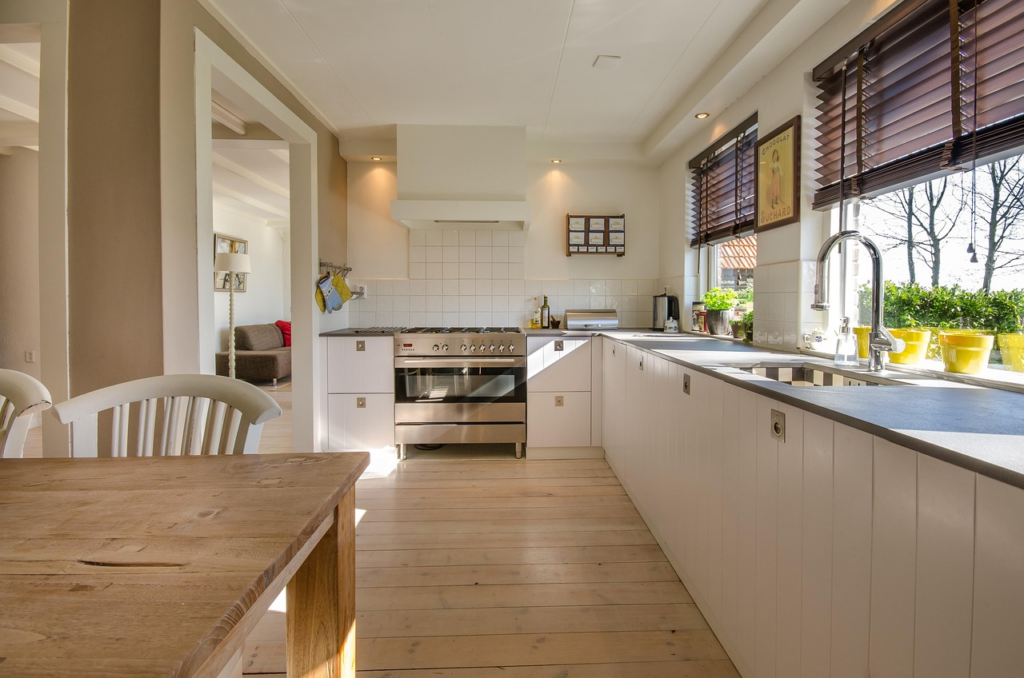
Taupe kitchen cabinets can create a calm, flexible palette, but the result depends on the exact undertone, sheen, door profile, lighting and adjacent materials. “Taupe” is not one fixed color. A sample may read warmer, cooler, greyer or browner as daylight, artificial lighting, worktops and flooring change.
For a project-ready selection, define the cabinet construction and finish separately. Approve physical samples under the project lighting, record the accepted color reference and compare quotations against the same cabinet schedule.
Define the Taupe Color Before Quotation
A digital image or color name is not enough for production approval. Include a physical color chip or controlled sample, the finish system, sheen range, substrate and door profile. State whether visible interiors, exposed ends, fillers, toe kicks and trims must match the door finish.
| Selection field | What to record | Why it matters |
|---|---|---|
| Undertone | Warm, neutral or cool reference | Coordinates with stone, tile, flooring and wall color |
| Sheen | Matte, satin or gloss sample | Changes reflection, color reading and maintenance expectations |
| Door profile | Slab, shaker or detailed profile | Changes shadow lines and finish coverage |
| Finish system | Paint, lacquer, laminate, veneer or other specified system | Determines appearance, edge detail and repair method |
| Lighting | Daylight orientation and lamp specification | The same sample can look different across the room |
Coordinate Taupe Cabinets With Fixed Materials
Review the cabinet sample beside materials that are difficult or expensive to change: countertop, backsplash, floor, wall paint and metal finishes. A warm taupe may coordinate with beige stone and warm wood, while a greyer taupe may suit cooler surfaces. This is a visual coordination decision, not a universal rule.
- Compare samples in morning, afternoon and artificial light.
- Place the sample vertically, as the cabinet door will be installed.
- Check the sample beside the actual countertop and backsplash batch.
- Record the approved sample code, date and revision.
- Do not approve a finish from a screen image alone.
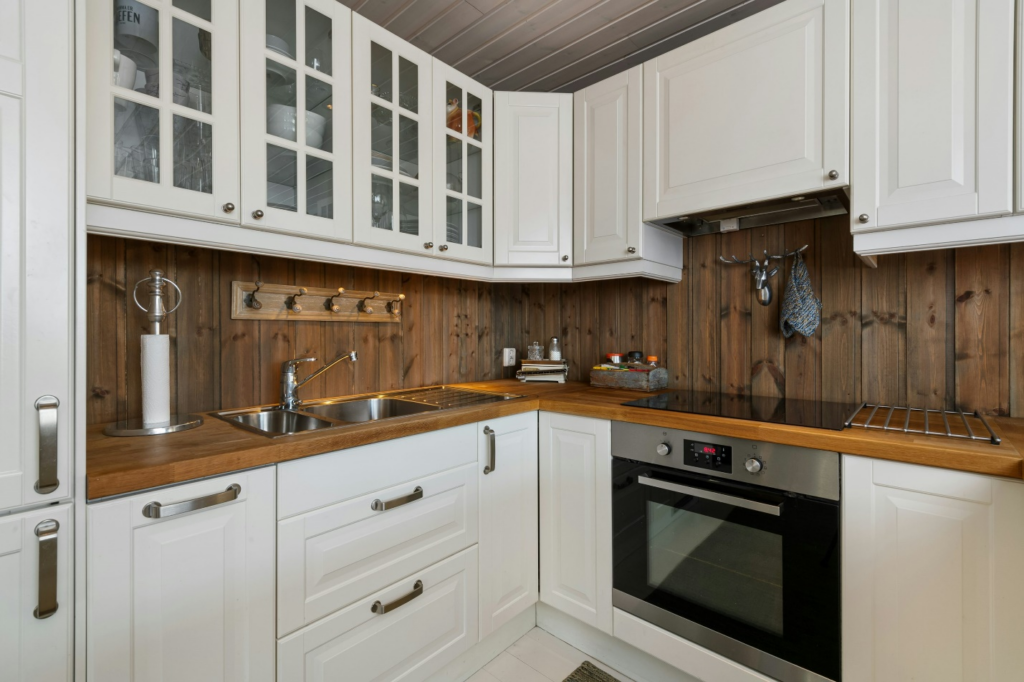
Cabinet Construction Still Comes First
Color does not define cabinet quality. The quotation should identify carcass material and thickness, back construction, door and drawer construction, edge treatment, hinges, runners, shelf supports, finish system and installation scope. If a performance certification is required, request the current listing for the proposed cabinet line rather than assuming it applies to every product.
The KCMA A161.1 certification program covers tests relating to cabinet structure, doors, drawers and finishes. Use the standard or certification only when it is specified for the project and supported by applicable documentation.
Layout, Storage and Appliance Interfaces
Confirm the room survey and appliance schedule before releasing cabinet drawings. Coordinate door swings, drawer pull-outs, corner hardware, fillers, panels, service clearances and countertop support. A visually successful taupe kitchen can still fail if the schedule and interfaces are incomplete.
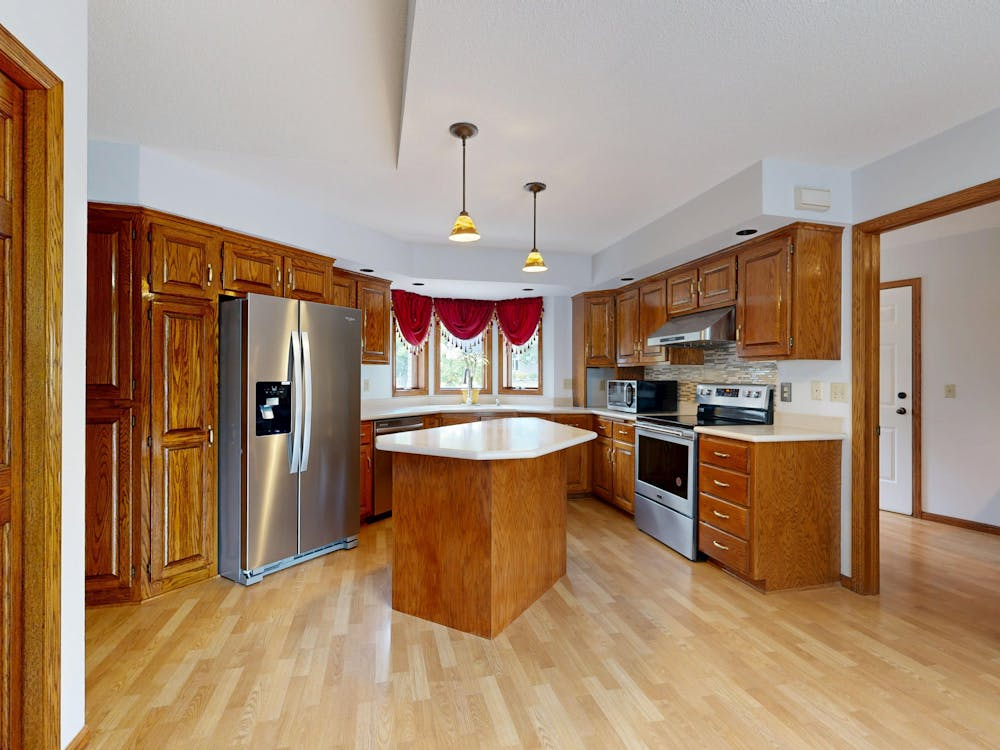
Taupe Kitchen Cabinet RFQ Checklist
- Room dimensions, elevations and cabinet schedule
- Carcass, back, door, drawer and shelf construction
- Finish system, taupe reference, sheen and approved sample
- Visible interior and exposed-end finish requirements
- Countertop, backsplash, sink and appliance interfaces
- Hinge, runner, handle and accessory schedules
- Mock-up or sample-door approval sequence
- Delivery, packing, installation, adjustment and exclusions
For related planning, review our kitchen cabinet cost and BOQ guide, kitchen layout planning guide, upper cabinet planning article and kitchen design service. To compare a project schedule, send the drawings and finish references for review.
Frequently Asked Questions
Is taupe suitable for every kitchen?
No single color suits every room. Test the selected taupe with the project lighting and fixed materials before approval.
Can a digital color code approve production?
It can support communication, but production approval should normally use a physical sample that records the substrate, finish system, sheen and accepted variation.