By George House/19,Oct,2025
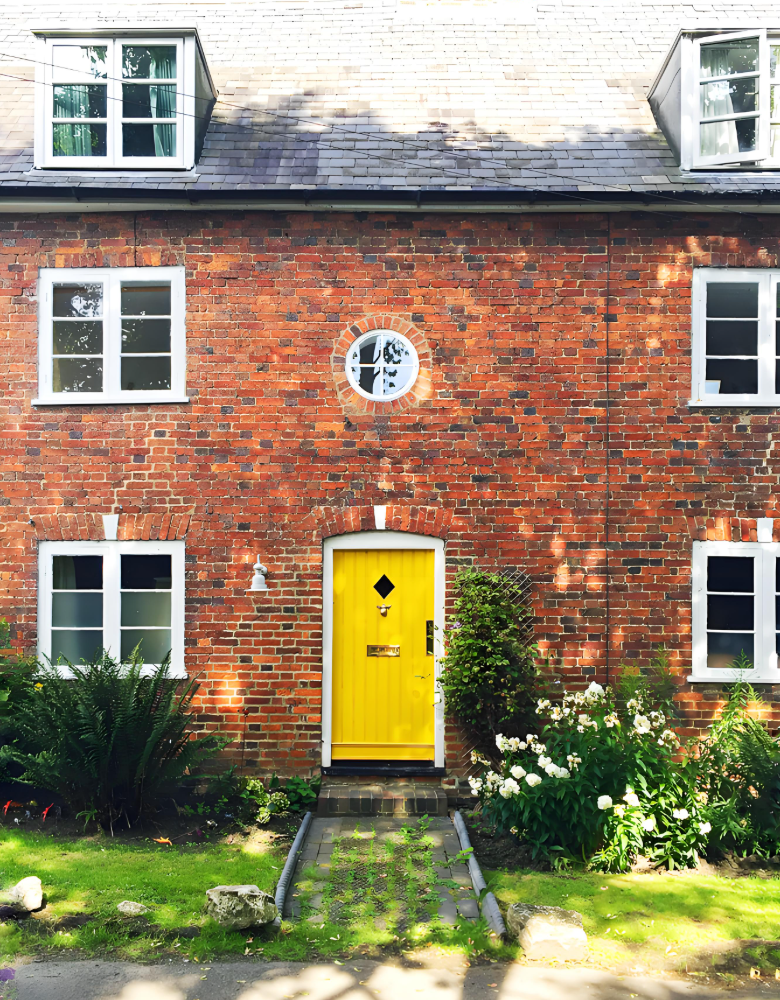
A yellow front door can create a clear accent, but the decision should be based on the actual elevation, materials, lighting, maintenance plan, and coating specification. Color meanings vary by person and context, so yellow should not be sold as a guaranteed source of welcome, good luck, mood improvement, curb appeal, or property value.
Choose from yellow shade families
Use shade-family names to narrow the search, then approve a manufacturer color code on a physical sample:
- Soft or muted yellow: lower saturation can sit closer to cream, warm white, or pale stone.
- Clear bright yellow: creates high contrast and can shift strongly as daylight changes.
- Mustard or ochre: brown or earth undertones may coordinate with brick, timber, terracotta, or bronze.
- Golden or honey yellow: warmer samples can bridge warm metalwork and natural materials.
- Creamy beige-yellow: may read as a neutral from a distance and more yellow beside cool trim.
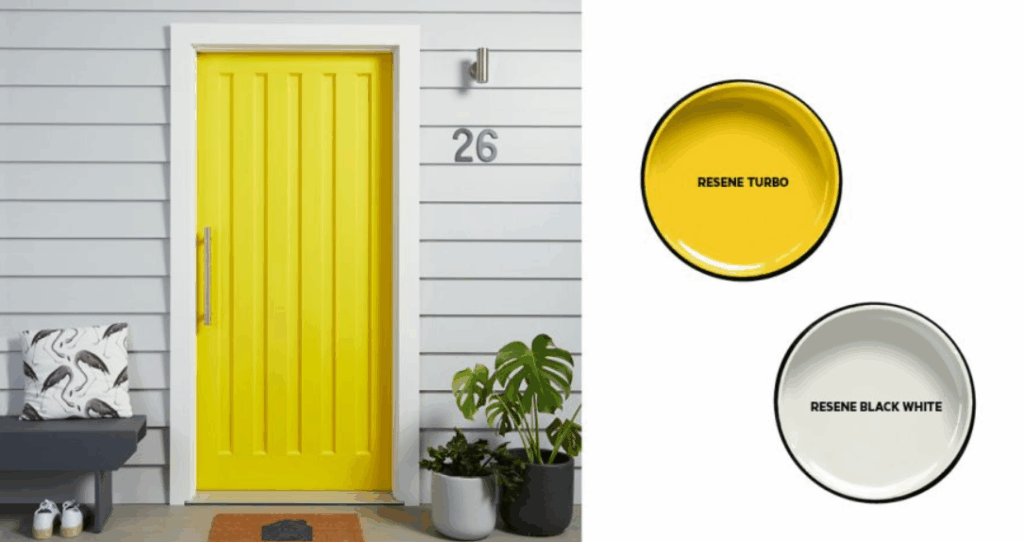
Coordinate the fixed exterior materials
Place candidate yellows next to the surfaces that will remain: roof, brick, stone, render, siding, window frames, paving, and landscape. Warm red brick can make a yellow sample appear greener or browner; cool gray cladding can make the same sample look more saturated. Trim and hardware determine the contrast at the door edge.
Also coordinate the door type. A flush slab presents one large color field, while a decorative front door breaks the color across panels, glazing, grilles, and mouldings. Double doors increase the visible area and should be sampled at a suitable scale. Compare nearby green front-door colors when the palette study needs a cooler alternative.
Approve a project sample
- Use the same substrate, primer, topcoat, base, sheen, and application method planned for the door.
- Make the sample large enough to view beside wall, trim, glazing, and hardware.
- Review it in direct sun, shade, overcast light, and the entry’s artificial lighting.
- Check the sample at normal viewing distance and from the street or approach path.
- Record the exact manufacturer, product line, color code, batch, coat system, and approval date.
Digital swatches are useful for shortlisting but cannot represent every screen, pigment, gloss, texture, or daylight condition. If an owners’ association, conservation authority, or development guideline applies, obtain its approval before procurement.
Preparation and coating selection
Verify whether the door is timber, steel, aluminum, fiberglass, or a factory-finished composite. Existing coatings, corrosion, resin, moisture, joint movement, and manufacturer warranty conditions affect preparation. For timber options, coordinate with the wooden front-door specification. Follow the selected coating system for cleaning, removal of loose material, sanding, primer, application temperature, drying time, recoat interval, and curing.
The Benjamin Moore front-door guide describes a general sequence of cleaning, scraping loose paint, sanding, masking, priming, and coating. Use it as an overview; the product data sheet and door manufacturer’s instructions control the project.
Do not assume a color or sheen will hide dust, resist scratches, survive heavy sunlight, or require less maintenance. Those outcomes depend on the substrate, preparation, coating chemistry, exposure, workmanship, and cleaning regime. A paint-finish guide can help compare sheen, but confirm the permitted finish in the chosen exterior product line.
Yellow front-door RFQ checklist
- Door mark, material, dimensions, quantity, handing, exposure, and existing finish.
- Manufacturer, product line, primer, color code, base, sheen, and number of coats.
- Preparation and repair requirements, application limits, cure time, and protection.
- Hardware and glazing interfaces, seals, edges, thresholds, and touch-up procedure.
- Physical sample, mock-up approval, warranty, maintenance manual, and spare coating.
A yellow front door succeeds when the project team approves the same physical color and coating system that will be installed. Record that decision in the finish schedule so procurement, application, and later touch-ups use one traceable specification, and attach it to the door package RFQ.