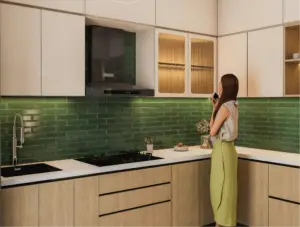
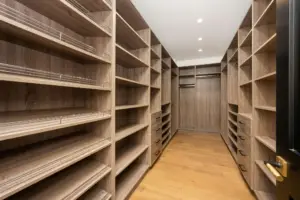
Maple cabinets are a practical option when a project needs a light, fine-grained wood appearance, a smooth painted or stained finish, and door profiles that work in both contemporary and traditional kitchens. The final result depends on the maple species or grade, solid-wood and panel construction, finish sample, hardware, environmental conditions, and fabrication quality—not on the wood name alone.
Before approving a maple cabinet package, compare physical samples under the project lighting and coordinate the door style, carcass material, edge treatment, countertop, hardware, appliances and installation interfaces. This guide explains the choices that should appear in the quotation, sample approval and shop drawings.
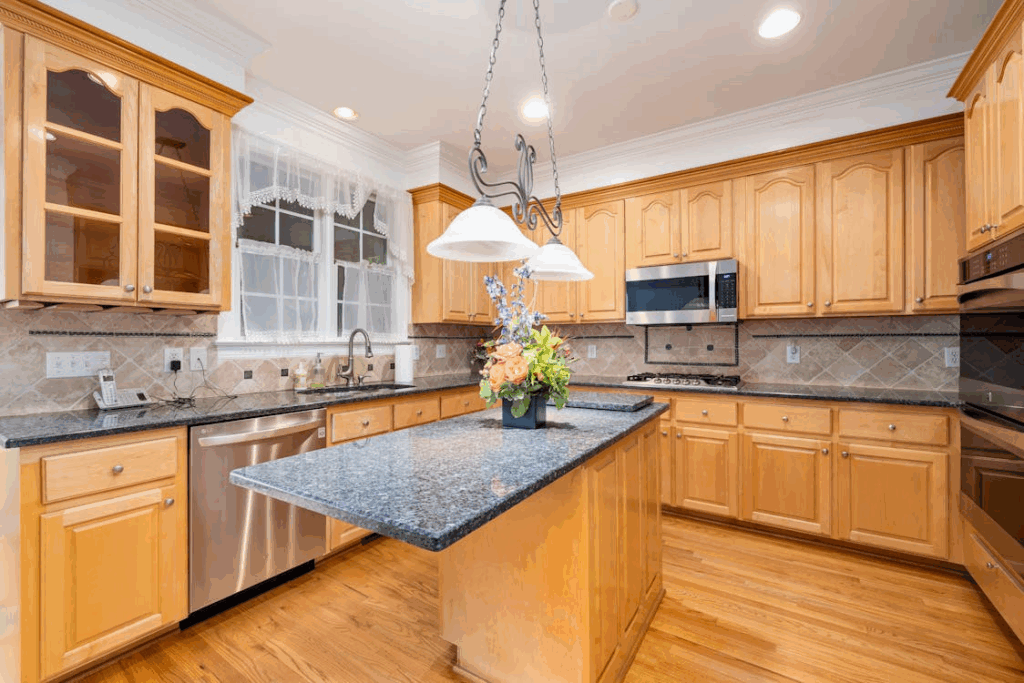
Are Maple Cabinets a Good Choice?
Maple can be a good cabinet material when the design brief favors a relatively uniform grain and a clean finish. The U.S. Forest Products Laboratory describes maple as a hard, strong wood, but natural wood still varies and responds to moisture. Species, grade, component thickness, joinery and coating system should therefore be confirmed for the exact cabinet rather than inferred from a generic material label.
| Selection factor | What maple can offer | What to verify |
|---|---|---|
| Appearance | Fine, generally subtle grain with light natural color | Allowed sapwood, heartwood, mineral streaks and color range |
| Finish | Can accept clear, stained and painted systems | Sample color, sheen, grain visibility and batch tolerance |
| Door style | Works with shaker, slab and framed profiles | Rail-and-stile sizes, center panel, edge profile and joint detailing |
| Daily use | Suitable for cabinet doors, frames and selected components | Exact species, construction, coating, hardware and care instructions |
| Project coordination | Can be integrated into custom cabinet packages | Shop drawings, appliance data, service points, countertop and installation tolerances |
For a broader technical reference on U.S. wood species and their properties, see the USDA Wood Species Guide. The project specification and selected supplier’s technical data should control the final cabinet package.
Maple Cabinet Appearance and Natural Variation
Maple is often selected for a quiet, consistent visual effect, but it is still a natural material. Boards and veneered panels can show variation in color, grain, figure and mineral streaking. A small approval chip cannot define every door in a large project.
- Define whether the sample represents the target color or the full acceptable range.
- State whether mineral streaks, heartwood and figured grain are acceptable.
- Review several doors or a larger sample panel for multi-unit projects.
- Check the sample vertically and horizontally because light changes the perceived tone.
- Record the finish code, sheen level and approved variation in the submittal log.
Clear and light finishes usually retain more natural variation. Dark stains can make uneven absorption more visible, while opaque paint changes the design question from grain selection to substrate preparation and coating quality. Samples should be approved before production begins.
Maple Cabinet Styles
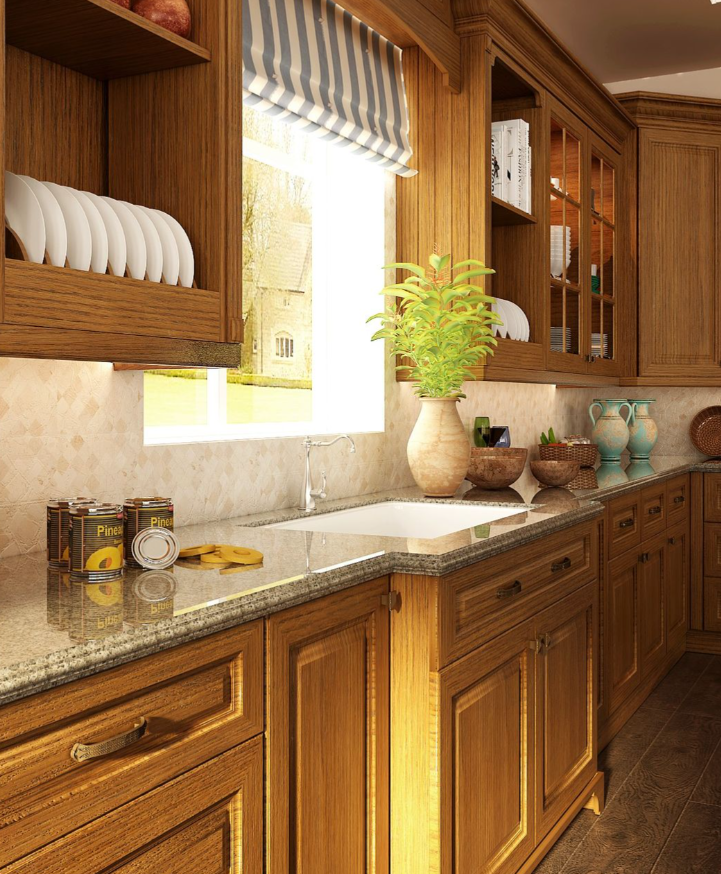
Shaker and framed doors
Shaker doors use rails, stiles and a recessed center panel. They suit many design directions, but the quotation should identify whether the frame is solid maple, veneered or another approved construction. Confirm panel movement allowances, joint lines, edge details and the relationship between the door profile and selected handle.
Slab and contemporary doors
Slab doors create a simpler elevation and make alignment particularly visible. Check the substrate, veneer matching, edge treatment, maximum door size, hinge quantity and gap schedule. A natural maple veneer can deliver a consistent slab appearance, but the veneer layout and matching method should be shown in the approval sample or shop drawing.
Painted maple designs
Painted maple can provide a smooth surface, but natural movement and joints may still become visible. Ask the supplier to define the door construction, primer, topcoat, sheen and touch-up procedure. Approval should cover both color and workmanship under normal viewing conditions.
Cabinet Construction Matters as Much as the Face Material
A specification that says only “maple cabinets” is incomplete. The visible door may be maple while the cabinet carcass, drawer box, shelf, back panel and edge banding use different materials. Define each component so quotations can be compared on the same scope.
| Component | Information to include |
|---|---|
| Door and drawer front | Species or veneer, construction, thickness, profile, finish and grain direction |
| Carcass | Panel type, thickness, surface finish, exposed-end treatment and edge banding |
| Back and shelves | Material, thickness, fixing method and adjustable shelf details |
| Drawer box | Material, joint, base thickness, load requirement and slide system |
| Hardware | Hinge and slide series, opening angle, soft-close function and handle drilling |
| Countertop interface | Support, sink and hob cutouts, service openings, backsplash and wall conditions |
See the custom kitchen cabinet and wardrobe range and the kitchen cabinet design workflow for related scope and coordination inputs.
Finish, Color and Hardware Coordination
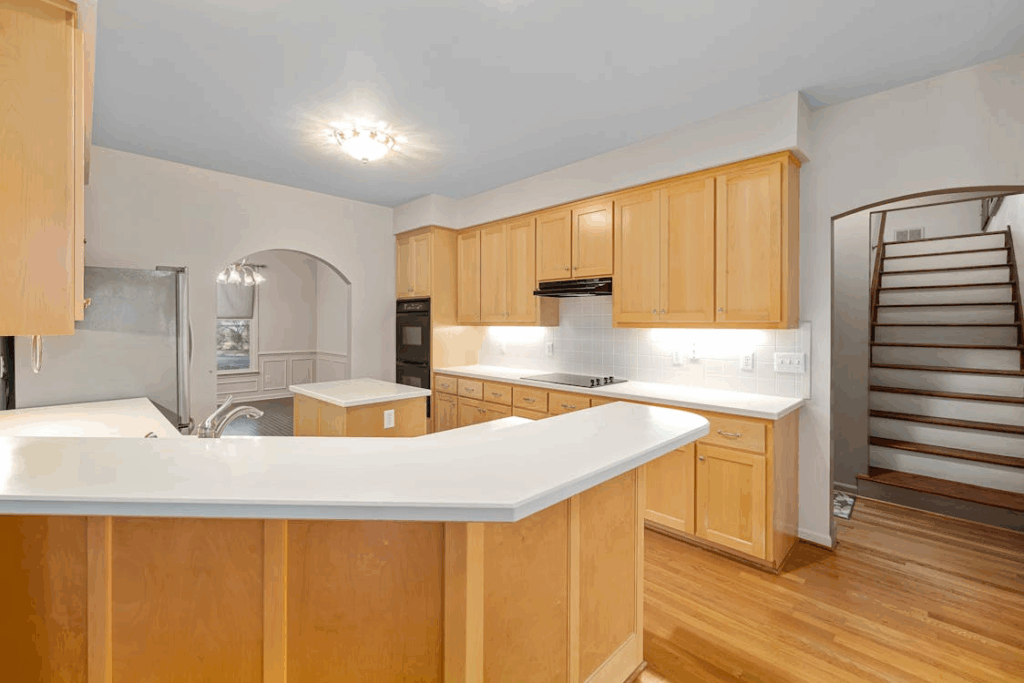
Light clear finishes can emphasize maple’s natural tone, while stains or paints create a wider range of design options. Instead of assuming that a named color will match, review the actual sample beside the countertop, backsplash, flooring and metal finish.
- Check warm and cool undertones under daylight and artificial lighting.
- Confirm whether the countertop sample represents the final slab or only a general pattern.
- Coordinate handle length and fixing centers before drilling doors.
- Review hinge cup and drawer-slide clearances against door profiles and internal accessories.
- Record the approved combination with sample codes and photographs.
Shop Drawings and Sample Approval
Cabinet drawings should translate the design intent into fabricable dimensions. They need to show appliance openings, fillers, scribes, panels, service voids, countertop supports, door swings, drawer clearances, internal accessories and fixing conditions. Site dimensions should be confirmed at the agreed project stage.
- Issue the room plan, elevations, appliance data and service locations.
- Confirm cabinet construction and maple finish options.
- Review the first quotation against a component-by-component scope.
- Approve representative finish and hardware samples.
- Coordinate and approve shop drawings before production release.
- Check a sample cabinet or first completed unit where the project risk justifies it.
- Record packing labels, room references and installation responsibilities.
Maple Cabinet RFQ Checklist
- Project location, room list and cabinet quantities
- Plans, elevations and confirmed dimensions
- Door style, maple species or veneer and acceptable variation
- Carcass, shelf, back and drawer-box construction
- Finish color, sheen and sample requirement
- Countertop, sink, hob and appliance information
- Hinges, slides, handles and internal accessories
- Shop drawing, sample and approval schedule
- Quality checks, labeling, packing and delivery destination
- Installation scope and site interface responsibilities
George House Material can coordinate cabinet selection, quotations, samples and drawings as part of a wider project material package. Send the available plans, appliance list, finish references and quantities through the project enquiry page so missing inputs can be identified before quotation.
Frequently Asked Questions
Do maple cabinets always look the same?
No. Natural color, grain and mineral streaks vary. Define the acceptable range and approve several representative samples for larger orders.
Can maple cabinets be stained dark?
Maple can be stained, but the result depends on surface preparation, stain system and natural variation. A production-representative sample should be approved before the order is released.
Are all parts of a maple cabinet made from solid maple?
Not necessarily. Doors, frames, carcasses, shelves and drawer boxes may use different constructions. List each component in the specification and quotation comparison.