By George House/08,Dec,2025
Learning how to paint kitchen cabinets begins with deciding whether the existing doors and finish are suitable for repainting. Good results depend on substrate identification, cleaning, controlled abrasion, compatible primer and coating, curing conditions and careful reassembly. Paint cannot correct swollen panels, loose veneer, failed joints or damaged hardware.
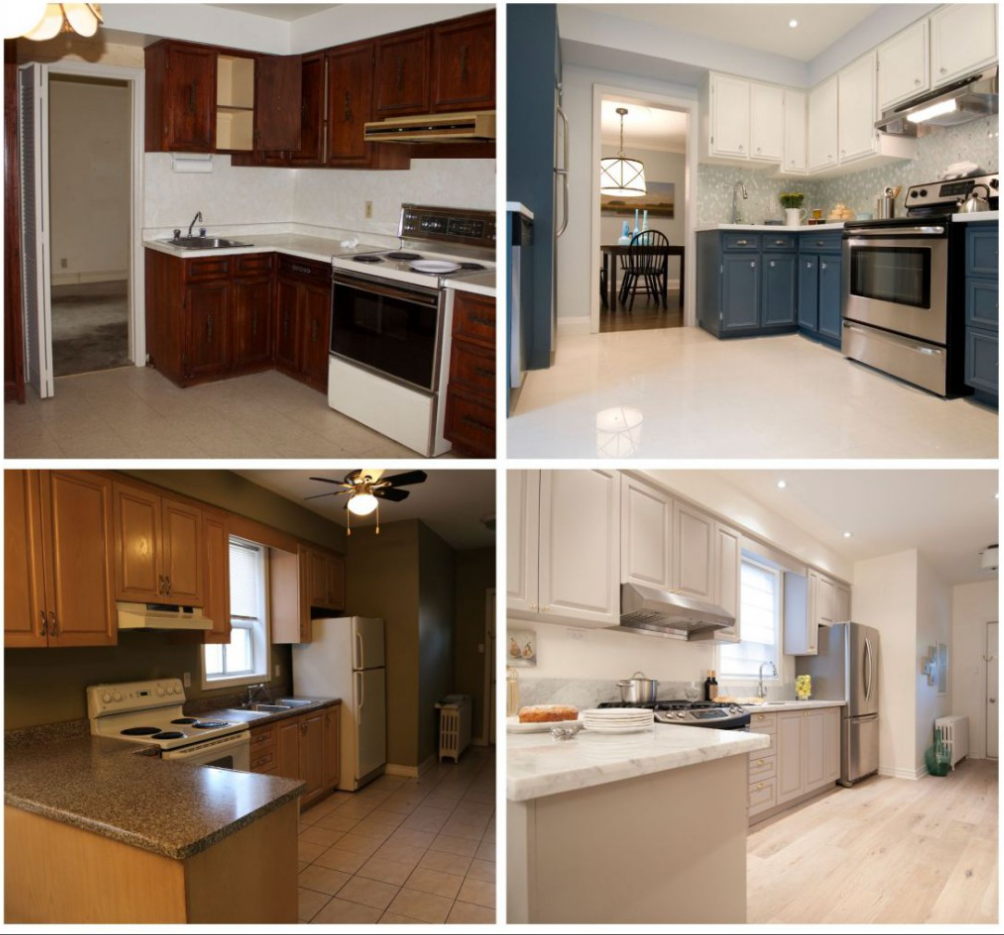
If the layout or cabinet construction no longer works, review the complete kitchen design and cabinet plan before investing in refinishing. Repainting is most appropriate when the boxes and fronts are stable and the main issue is the surface finish.
Check whether the cabinets can be repainted
Identify whether the fronts are solid wood, veneer, painted MDF, laminate, foil-wrapped board or another product. Inspect edges, joints, sink bases, dishwasher panels and heat-exposed areas. Loose coatings, grease contamination, water swelling and silicone residue need to be resolved before sanding or priming.
Test the proposed cleaning, abrasion, primer and topcoat system on a concealed area or spare door. Follow the coating manufacturer’s instructions for compatible substrates, ventilation, protective equipment, temperature, humidity, application thickness and drying time.
Prepare the work area and label every component
- Photograph each cabinet run before disassembly.
- Label doors, drawer fronts, hinges and hardware with a stable location code.
- Protect floors, worktops, appliances, walls and ventilation openings.
- Set up clean supports or racks so coated faces and edges do not touch.
- Keep dust-producing work separate from the coating and curing area.
Remove handles and, where practical, remove doors and drawer fronts. Keep screws and fittings organized by location. Before repainting natural timber or veneered doors, review the material limits described in the wood kitchen cabinet guide. Thin veneer and profiled edges require controlled sanding.
Clean and abrade the existing finish
Degrease
Use a cleaner approved for the substrate and existing finish. Pay attention to handles, cooking zones, door edges and the area above appliances. Rinse or neutralize the surface when the cleaning product requires it, then let the cabinet dry fully. Painting over invisible grease is a common cause of adhesion failure.
Sand or degloss
The goal is to create a clean, uniform surface for the primer, not to remove unnecessary material. Use the abrasive grade and method recommended for the coating system. Avoid rounding door profiles, cutting through veneer or exposing swollen board. Remove dust with a suitable vacuum and clean cloth before coating.
Repair defects
Fill only stable dents, holes or open joints with a compatible repair material. Sand the repair level and inspect it under side lighting. Replace fronts with structural damage or continuing moisture exposure rather than covering the problem with paint.
(Source)
Choose a compatible primer and topcoat
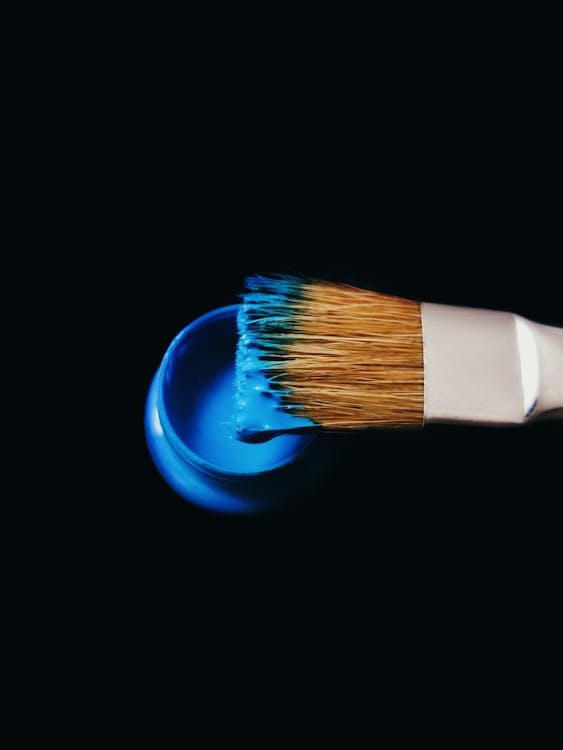
Select the primer for the actual substrate and existing finish. Stain-blocking, adhesion-promoting and general-purpose primers have different roles. The topcoat should be intended for cabinetry or joinery and should be compatible with the primer. Confirm sheen, color, application method, recoat window and curing requirements from the same documented system.
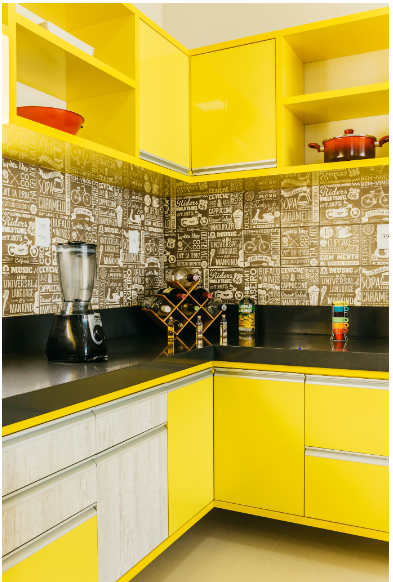
Choose the color using larger samples, not only a screen image. Compare the proposed finish with counters, backsplash, floor, appliances and lighting. Use the kitchen cabinet color guide for undertone and palette checks, and review cabinet door styles because profiles and routed edges affect application and sanding.
Apply primer and paint in controlled coats
Stir and prepare the product as instructed. Apply a uniform primer coat to faces and edges without flooding corners or profiles. After the specified drying time, inspect for raised grain, missed areas, contamination and visible repairs. Sand between coats only when the product instructions call for it.
Apply the topcoat with a compatible brush, roller or spray method. Several controlled coats may be needed, but the required number depends on color change, product opacity, film build and application method. Do not use a universal coat count. Respect the specified recoat window and keep dust away while each coat dries.
(Source)
Cure, reassemble and inspect
Dry-to-touch is not the same as full cure. Follow the coating data before stacking doors, installing hardware or exposing surfaces to cleaning and heavy use. Reinstall each labeled item in its original location. Adjust hinges and drawer fronts so gaps are consistent and painted edges do not rub.
| Check | Acceptance point |
|---|---|
| Color and sheen | Consistent under normal room and task lighting |
| Coverage | No exposed substrate, thin edges or heavy build-up |
| Surface | No avoidable dust nibs, runs, brush ridges or contamination |
| Edges and profiles | Coating is continuous without bonding doors to frames |
| Operation | Doors and drawers open freely; hinges and pulls are aligned |
| Cure | Handling and cleaning follow the product’s stated timetable |
Final guidance
A cabinet repaint is a controlled finish project. Confirm the substrate, correct defects, label components, use a compatible coating system and allow full cure before normal use. For a finish review, replacement-front option or cabinet quotation, share photos, dimensions and the existing material details.