By George House/29,Dec,2025
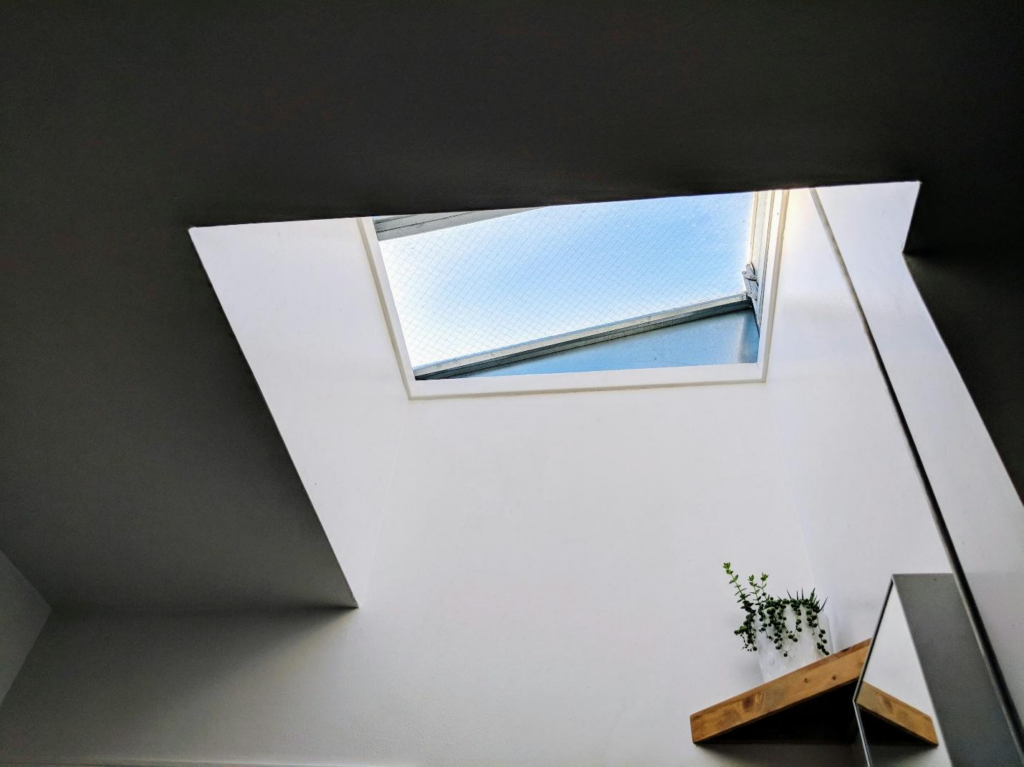
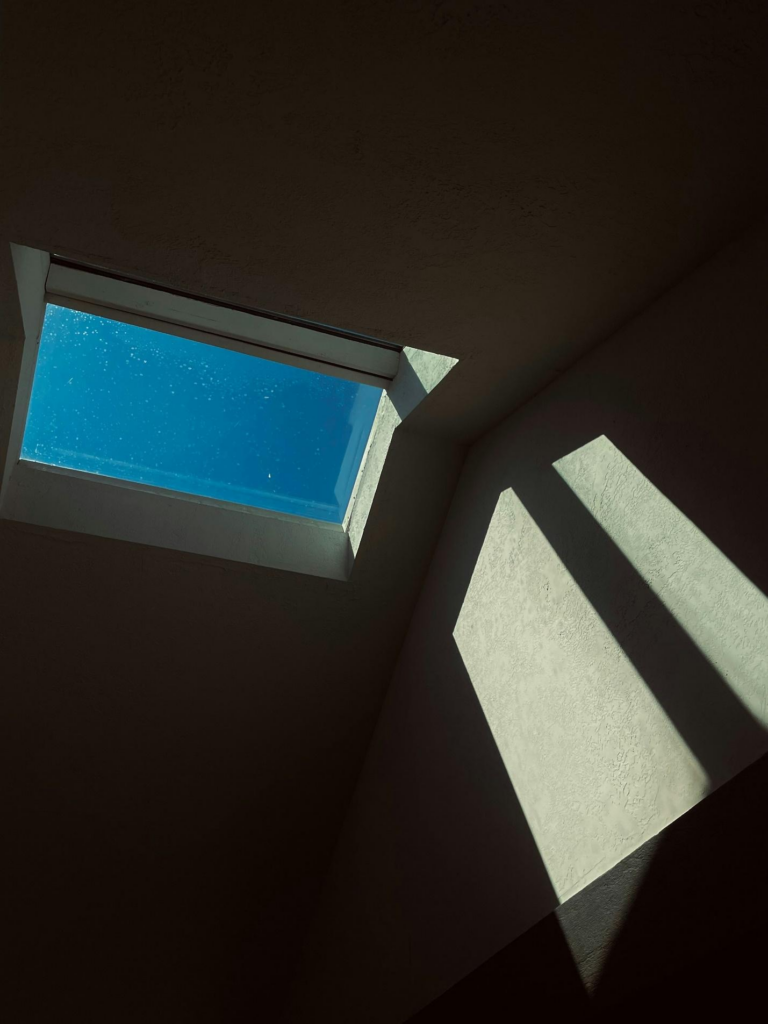
Skylight blinds can control glare, privacy and daylight at a roof window that may be difficult to reach. The correct option depends on the skylight model, opening movement, visible dimensions, room use, fabric or slat performance, control method and power access.
Do not assume that a blind will eliminate all light, prevent fading or deliver a fixed energy saving. Ask for product-specific data and confirm compatibility with the complete window assembly.

(Source)
Confirm Skylight Compatibility First
Identify the skylight manufacturer, model, size code, glazing, opening type and control hardware. Check whether the blind is an approved accessory or a separate custom system, and confirm that tracks, brackets, cables or motors will not obstruct ventilation, opening, maintenance or emergency functions.
- Fixed, manual opening or powered opening skylight
- Internal, between-glass or external shading position
- Frame material, reveal depth and available fixing zones
- Glass temperature and manufacturer restrictions
- Access for cleaning, maintenance and future replacement
Coordinate the blind as part of the opening package through the project windows and doors overview.
Compare Skylight Blind Types
| Blind Type | Useful For | Check Before Approval |
|---|---|---|
| Light-filtering fabric | Reducing glare while retaining diffuse daylight | Openness, color, view-through and fabric stability |
| Room-darkening or blackout | Bedrooms, media rooms or stronger light control | Declared light-blocking level and edge light gaps |
| Pleated or cellular | Compact appearance and optional thermal layer | Cell construction, track fit and tested product data |
| Roller blind | Simple operation and broad fabric choice | Roll size, side guidance, tension and window angle |
| External shade | Solar control before heat reaches the glazing | Weather exposure, wind limits, drainage and access |
For powered roof windows, align blind controls with the decisions in the remote-control skylight guide.
(Source)
Measure the Opening and the Product Interface
Use the skylight size code where available, but verify the dimensions required by the blind manufacturer. A roof opening, frame size, visible glass size and inside-reveal size are different measurements. Record the reference points and tolerances on a sketch.
- Confirm the skylight model and opening mechanism.
- Measure width and height at the specified fixing or guide locations.
- Check reveal depth, squareness and obstructions.
- Record handle, chain, sensor, insect screen and ventilation positions.
- Verify cable routes, battery access or solar-panel clearance.
- Submit the measured schedule for supplier confirmation before ordering.
The standard window size guide explains why nominal sizes must not replace product and opening verification.
Evaluate Light, Heat and Fabric Claims
Light-filtering, room-darkening and blackout are different performance descriptions. Request the supplier’s stated test or classification and review edge gaps in a representative installation. Fabric color can affect visible brightness and reflected heat, while the position of the blind changes how heat is managed.
- Glare: compare openness, transmission and room orientation.
- Privacy: check day and night conditions from relevant viewpoints.
- UV: request data for the exact fabric; do not promise complete protection.
- Thermal effect: review product data within the whole skylight and room context.
- Fire and emissions: confirm project requirements for the exact material and location.
- Condensation: avoid blocking intended air paths and follow window guidance.
Large glazed areas show the same need to assess shading with orientation, glass and room use; see the floor-to-ceiling window selection guide.
Choose Manual, Motorized or Automated Control
| Control | Coordinate | Maintenance Point |
|---|---|---|
| Manual pole or handle | Reach, operating force and storage | Safe access and replaceable parts |
| Battery motor | Battery type, expected duty and charging access | Replacement without removing finishes |
| Mains-powered motor | Voltage, transformer, cable route and isolation | Service access and commissioning record |
| Solar-powered motor | Panel exposure, shading and compatible battery | Cleaning and replacement access |
| Smart control | Protocol, gateway, scenes, sensors and manual override | Updates, account ownership and reset procedure |
Where the blind joins a lighting or room-control package, coordinate power, switches and commissioning with the LED retrofit planning guide.
(Source)
Plan Installation, Testing and Maintenance
- Use fixing locations approved for the skylight and blind system.
- Protect glazing, seals, finishes and waterproofing during installation.
- Provide safe working access for overhead installation.
- Test full travel, stops, alignment, noise, remote controls and manual override.
- Record limits and pairing instructions for motorized systems.
- Confirm cleaning method, fabric removal and access to batteries or motors.
Skylight Blind RFQ Checklist
- Room, skylight manufacturer, model, size code and opening type
- Measured width, height, reveal depth, slope and fixing points
- Blind type, material, color, openness and light-control requirement
- Track, cassette, tension, edge-gap and visible hardware details
- Manual, battery, solar or mains power and control protocol
- Switches, remotes, sensors, gateway, override and commissioning
- Product-specific light, thermal, UV, fire or emissions evidence required
- Samples, warranty, installation, testing, spare parts and maintenance documents
Approve the Blind as Part of the Skylight System
A skylight blind is successful when it fits the exact opening, provides the agreed level of light control and remains safe to operate and maintain. Confirm the product, measurements, controls, power and installation method together before release.