Roof Window: Types, Benefits, and Installation Considerations

By George House/29,Apr,2026

The natural light alters the interior feel of a room. The daylight is introduced into areas that can be dark or closed off by roof windows. A strategically located roof window can change the whole mood of a house.

The U.S. Department of Energy (DOE) claims that daylighting can save up to 30% of artificial lighting in residential areas. Roof windows are convenient and effective. Knowing the types of these windows and their installation factors can help homeowners make wiser decisions.

These openings have several functions, such as airflow and energy saving. If you want to learn about these kind of windows, then you have come to the right place. This guide describes the options, advantages, and installation considerations in a simple and practical manner.

There are various styles of roof windows to match the roof shape and interior requirements. All types provide varying degrees of light, ventilation, and access. Knowing the types of windows aids in balancing design objectives with realistic performance. These alternatives are applicable to contemporary and traditional houses.

Centre-Pivot 

(Source)

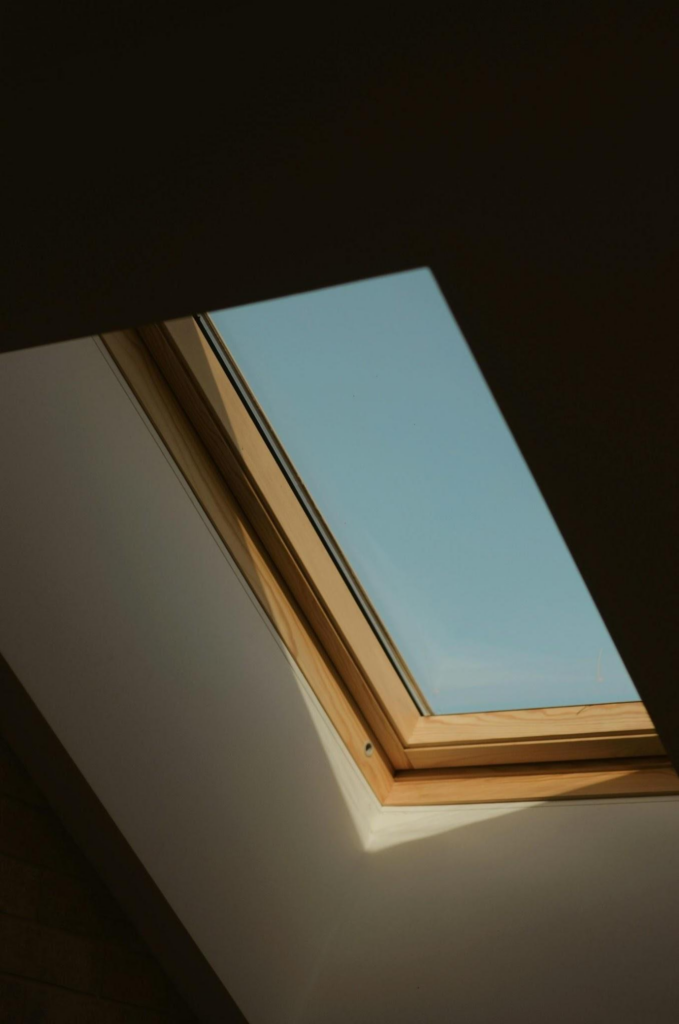
Centre-pivot roof windows are windows that turn around a central point. This type of window is effective in attic areas and on slanting roofs. It enables the circulation of air in various directions.

Thanks to its position, the handle works easily even in tight spaces. This style’s functionality and convenience make it a popular choice for residential use. It fits perfectly into small and medium roof openings.

Top-Hung 

(Source)

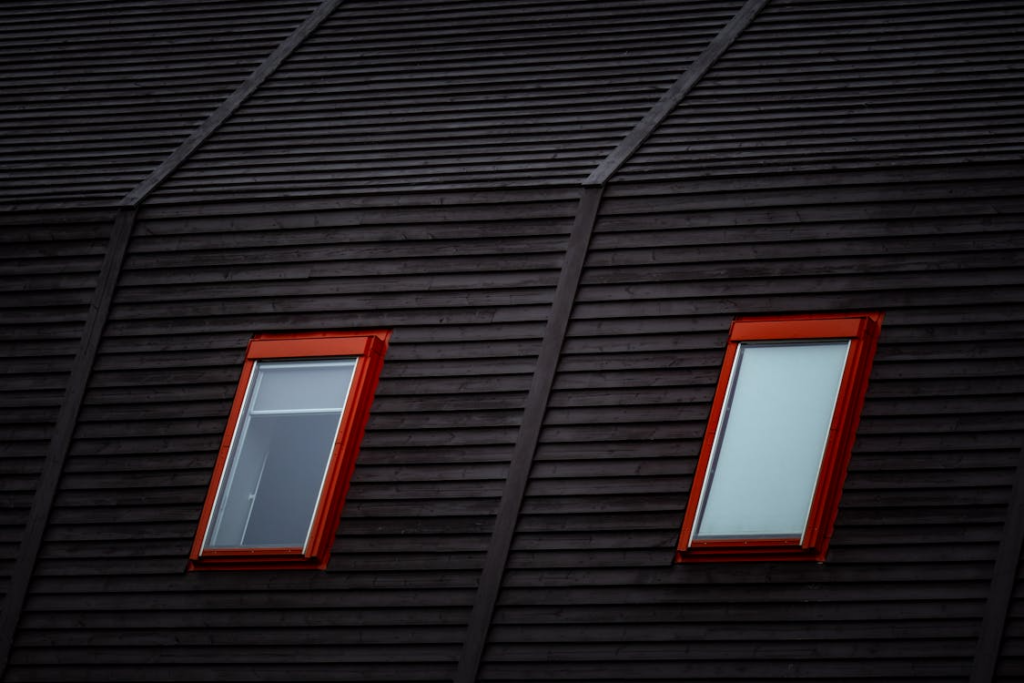
Top hung roof windows are outward-opening. This provides a clear sight and maximum ventilation. This type of window is best suited for rooms that need a lot of ventilation. It also enables rainwater to flow off easily.

This type is most effective in roofs that have sufficient clearance to open outwards. It gives it a contemporary touch and enhances comfort within the space.

Roof Lanterns

(Source)

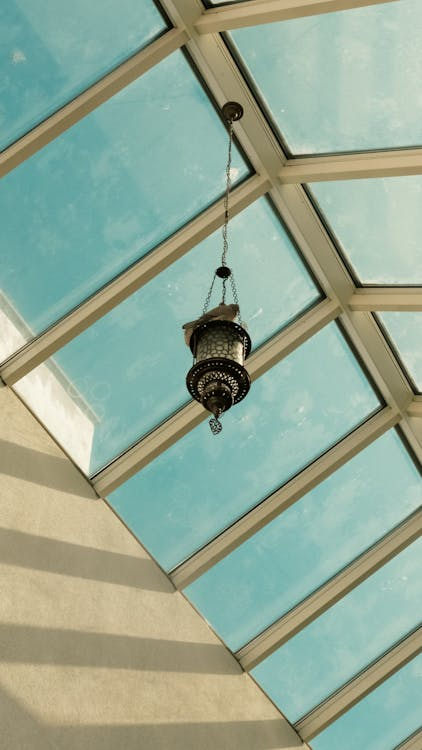
Roof lanterns are attached glazed roofs that are mounted on flat or low-pitched roofs. They introduce masses of natural light. An architectural lantern roof window is a plus.

It is commonly a center of living or dining rooms. These buildings are not open but offer uniform illumination during the day. They can be used in extensions or contemporary open-plan areas.

Sun Tunnels (Tubular Skylights) 

(Source)

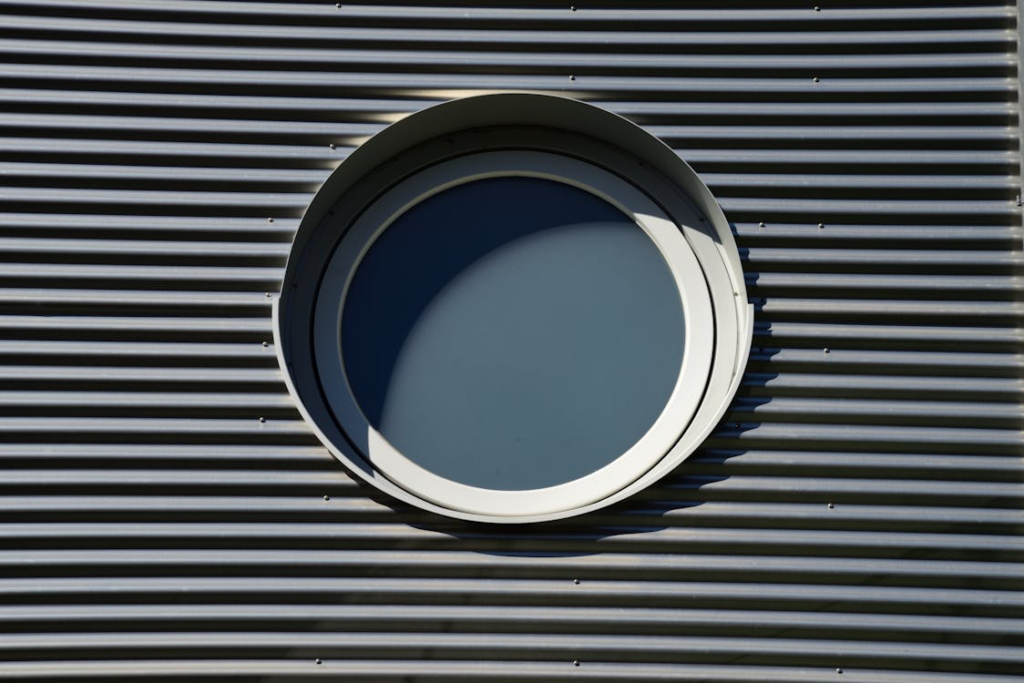
Sun tunnels are small devices that direct light through reflective tubes. They are ideal for small or enclosed areas. This type of window is installed in bathrooms, hallways, or closets.

It needs little roof space and installation. They are small in size but provide powerful lighting in the daytime. This alternative is effective in areas where conventional windows are not possible.

Balcony Windows

Balcony roof windows are a combination of glazing and a small opening balcony system. They provide both light and outdoor access. The feature of a window is better ventilation and usability.

It converts attic areas into functional rooms that are connected to the outside. This design is appropriate in houses that have steep roofs and have little space on the walls. It brings in functionality and style.

Roof windows do not provide daylight only. They enhance comfort, air circulation, and energy consumption within a house. A window can convert the unused spaces into bright and useful spaces. These advantages justify their popularity in modern housing.

Abundant Natural Light

Compared to vertical windows, roof windows allow more natural light into the building. This enhances visibility and minimizes the use of artificial lighting. A window enables sunlight to come in directly above.

This diffuses light throughout a room. It assists in building a more open and brighter atmosphere. Previously, dark rooms were made more useful in the daytime. This advantage enhances comfort and energy efficiency.

Passive Ventilation

Natural airflow in the home is supported by roof windows. Hot air ascends and flies out through open roof windows. It enhances non-mechanical circulation. This assists in minimizing indoor contaminants and dampness.

New air flows in and old air flows out. This makes the living environment healthier. Adequate ventilation also assists in managing the temperature indoors during hot seasons.

Energy Efficiency

Roof windows help to reduce energy consumption. They enhance efficiency by minimizing the use of artificial lighting and ventilation systems. It assists in controlling the light indoors. This minimizes the consumption of electricity during the day.

Passive warmth can also be obtained in colder seasons through the sun. This balance aids in general energy performance at home. Effective design will contribute to saving utility costs in the long run.

Increased Property Value

Houses that have roof windows tend to be of more interest in the market. Modern design and natural lighting enhance attractiveness. It will provide aesthetic and practical value.

It is a feature that buyers tend to consider as premium and increases the interior space and the quality of design. This renders the property more competitive in the housing market.

The installation of roof windows should be planned and executed. Performance is influenced by factors such as the structure, size, and placement of the roof. Knowledge of roof window installation considerations can prevent future problems. These considerations facilitate a hassle-free installation.

Roof Pitch Compatibility

The pitch of the roof defines the fitting and performance of a window. Some types of windows can be better served by steeper roofs. The roof window should correspond to the roof angle. Poor alignment may cause leakages or inefficiency.

Pitch inspection prior to installation is to check that there is good drainage of water. This is necessary to ensure long-term durability and safety.

Size Guidelines

The size of windows influences the amount of light and the balance of structures. The bigger the window, the more light it lets in, but the more powerful the framing. The roof window must be proportionate to the roof space.

Unsupported oversized units can cause weakening of the structure. Smaller windows are appropriate in small spaces. The correct size enhances safety and performance.

Orientation

The orientation influences the amount of sunlight that gets into the house. The south-facing windows get more light during the day. A roof window installed in the right position maximizes daylight.

The lack of orientation can cause overheating or insufficient light. Placing it according to the sun path enhances performance. This assists in the regulation of brightness and temperature within the house.

Flashing Kits

Flashing kits are used to prevent water leaks on roof windows. They form an airtight window and roof. Flashing is necessary to install a roof window.

Improper sealing may lead to water damage in the long term. High-quality materials improve durability. Proper installation ensures protection during heavy rain and wind conditions.

Automation

Automated roof windows offer remote or sensor-based control. This adds convenience and improves ventilation control. A roof window with automation adjusts airflow based on conditions.

Sensors can close windows during rain or open them for fresh air. This improves comfort and reduces manual effort. Automation adds modern functionality to traditional roof designs.

Roof window systems improve light, airflow, and comfort in modern homes. Understanding roof window types and installation considerations helps ensure better performance and long-term value.

George Group delivers expert solutions that bring light and function together in refined living spaces.

Share:

More Posts

Send Us A Message

George House Material Company Logo