By George House/07,Jan,2026
No other room influences the daily rhythm as much as a kitchen space. Cabinet decisions dictate the way people travel, cook, and congregate. Kitchen cabinet design sets the tone for function and appearance at once. Homeowners are usually caught in the range of style versus practicality.
The tension is subtly relieved through cabinets. The right kitchen cabinet design ideas accommodate actual practices. Keep in mind that the comfort depends on color, material, and layout on a daily basis.
In a very clear manner, this article takes one through the design styles, materials, storage options, and layout planning for various Kitchen cabinet design ideas. Each part relates design intent to real life in order to make choices, believe in, and be sure.
Popular Kitchen Cabinet Design Styles
(Source)
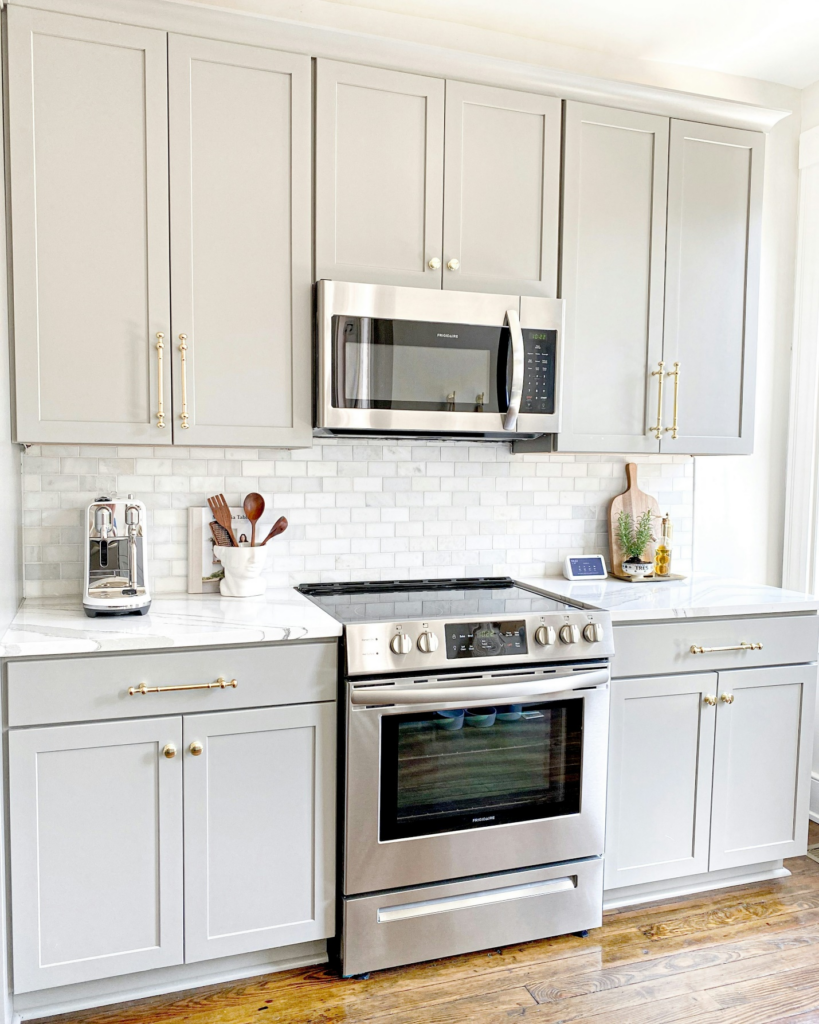
The types of cabinets are a demonstration of the way people live. Some prefer simplicity. Others want warmth. Fashion has an influence on everyday life. Let’s find out the popular forms of cabinets and the suitable places for each of them in modern homes.
Modern Kitchen Cabinet Design
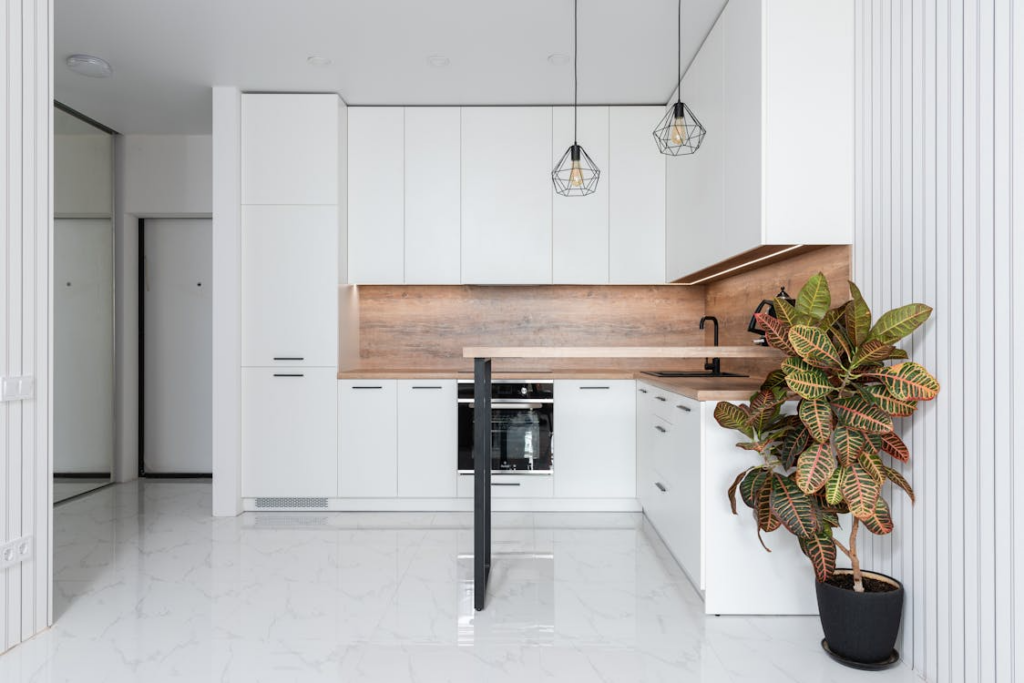
Modern kitchen cabinet design emphasizes clean lines and simple surfaces. Minimal hardware and flat doors minimize visual noise. This style embraces open plan and smaller kitchens. Minimalist kitchen cabinet design works well for busy households.
The right Cabinets are less difficult to care for. Handleless kitchen cabinet design keeps surfaces smooth and uncluttered. Contemporary cabinets are mindful and serene. They are slim and pro-productive.
Contemporary Kitchen Cabinet Design
Contemporary kitchen cabinet design adapts current preferences without locking into one look. It combines both textures and finishes. Sleek kitchen cabinet design often appears in this style. Glossy or glossless finishes are also added.
Kitchen cabinetry trends are usually the first to appear. The modern cabinets do not change at once. This strategy is applicable to homeowners who appreciate relevancy without reaching extremes.
Traditional and Transitional Cabinets
Conventional cabinets have elaborate profiles and a warm color. Those details are softened with the help of transitional styles. The shaker kitchen cabinets of today are likely to commoditize the styles. The transitional cabinets have a compromise between comfort and clarity.
The style promotes long-term usage, not to overload the eye. The flexibility is valued by the homeowners. These cabinets are easy to adapt to as they undergo the updating process without the need to replace them completely.
Custom Kitchen Cabinet Design for Modern Homes
(Source)
Personalization reinforces individual habits, which stock cabinets often cannot fully support. Custom design specifically addresses this by optimizing layout, storage, and fit. Let’s justify how tailor-made cabinets enhance functionality and comfort.
Benefits of Custom Kitchen Cabinet Design
Custom kitchen cabinet design supports specific needs and habits. Custom cabinets optimize the unused space. They improve reach comfort. Customized kitchen cabinets help in cooking styles and family size.
Luxury kitchen cabinet design often includes custom elements for longevity. Cabinets that are custom-made minimize wastage. They assist kitchens in being orderly even when there are busy days.
Cabinetry Custom Planning Layout
Success is predetermined by layout planning for your Luxury kitchen cabinet design. Placement of cabinets has an influence on flow and safety. Ready-to-order kitchen cabinets are cut to precise sizes. This enhances the efficiency of movement.
Individual layouts embrace prep, cooking, and storage zones. Cabinets match the appliances. In addition to that, Layout planning eliminates congestion. When the cabinets allow natural movement patterns, kitchens will be easy to use.
Storage-Centric Custom Cabinet Solutions
The design of storage predetermines everyday practices. The drawers are pulled out to enhance visibility. Individualized kitchen cabinets are helpful in organization.
Cookware is secured in deep drawers. Vertical storage facilitates the pantry. Individual storage eliminates clutter pressures. Cabinets go about in the background. Considerable storage makes kitchens foreseeable and effective.
Materials and Finishes in Kitchen Cabinet Design
(Source)
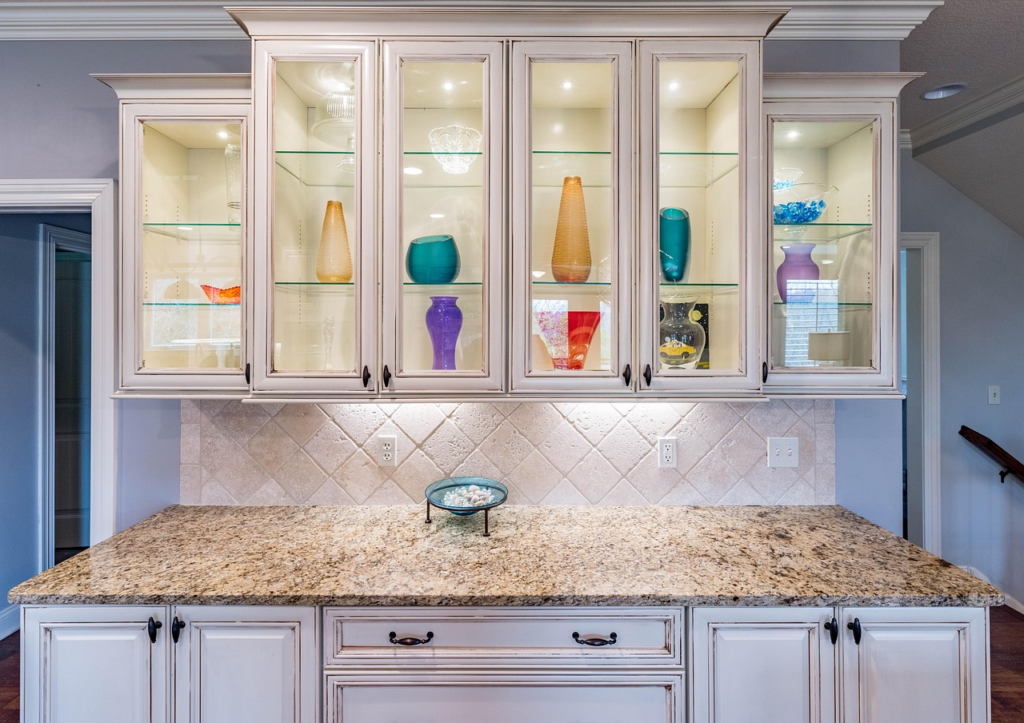
The selection of the material influences the durability and the appearance. Maintenance is dependent on the finish. Below, the usual cabinet materials and finishes are described, and their performance over time.
Wood, MDF, and Engineered Cabinet Materials
Durability is determined by the material. Solid wood offers warmth. MDF provides consistency, and it is more resistant to warping in a humid environment. Kitchen cabinet design benefits from stable materials.
The selection of material lies in the surroundings and application. Modern finishes are assisted with engineered options. Wood suits classic styles. Every material is useful to the performance of dependable cabinets.
Gloss, Matte, and Textured Cabinet Finishes
Matte finishes minimize the glare of workspaces. Gloss finishes are light reflective. Kitchen cabinets with a high gloss are appropriate in smaller kitchens.
Showing fingerprinting, Matte finishes conceal fingerprints. Textured finishes add depth. Lighting and usage patterns should be in accordance. The cabinets are more comfortable, where the finishes assist in daily habits.
Color Trends in Kitchen Cabinet Design
Fashion changes through color. Impartial voices are still trendy. Keep in mind that color choice affects mood. Cabinets stabilize the picture balance. Considerable use of color helps avoid regrets and contributes to long-term satisfaction.
Functional Elements in Kitchen Cabinet Design
Function defines comfort. The shapes of cabinet features determine everyday life. On that note, let’s go over the elements that are concerned with storage, hardware, and ergonomics.
Intelligent Storage and Organizing Capabilities
The smart storage is efficient. Pull-outs improve access. The order is supported by drawer dividers. Kitchen cabinet design ideas often highlight storage solutions. Intelligent storage does not disrupt serene schedules. Cabinets are supportive as opposed to limiting.
Setting up the Hardware and Accessories of the Cabinet
When selecting hardware, consider its impact on ease of use and longevity, and choose a finish that enhances your desired cabinet aesthetic. Pull size matters. Soft-close hinges or any other accessories enhance the experience.
Ergonomic Design of Cabinets
Ergonomics assists in long-term comfort. Posture is facilitated by appropriate positioning. Custom kitchen cabinet design improves reach comfort. Ergonomically designed spaces reduce fatigue by ensuring cabinets cooperate seamlessly with your body’s natural movements.
Choosing the Right Kitchen Cabinet Design
Choosing cabinets involves balancing priorities. Budget, style, and function intersect. Here are some tips that offer guidance for confident decisions.
Balancing Style, Budget, and Practicality
Budget influences options. It is important to note that the cabinetry represents a significant renovation cost. Smart choices prevent overspending. Focus on function first. Style follows naturally. Balanced decisions support satisfaction.
Working with Designers and Cabinet Manufacturers
Professional input improves outcomes. Collaboration reduces design errors. Designers translate habits into solutions. Manufacturers ensure quality execution. Clear communication supports smooth results.
Get the Best Kitchen Cabinet Design from George Group
Kitchen cabinet design shapes comfort, efficiency, and appearance. Thoughtful planning supports daily routines and long-term satisfaction. Cabinets that work well feel invisible yet essential.
Bring refined kitchen solutions to life with George Group, delivering cabinet designs that support daily comfort, lasting quality, and confident living.