By George House/18,Apr,2026
Different types of stone vary in mineral structure, porosity, strength, finish response, color range and maintenance. A stone that performs well on a vertical feature wall may need different testing, thickness or care when used on a kitchen counter or exterior floor.
Use this guide to shortlist natural stone by application, then confirm the actual slab or tile range with samples, technical data, shop drawings and an agreed maintenance plan.
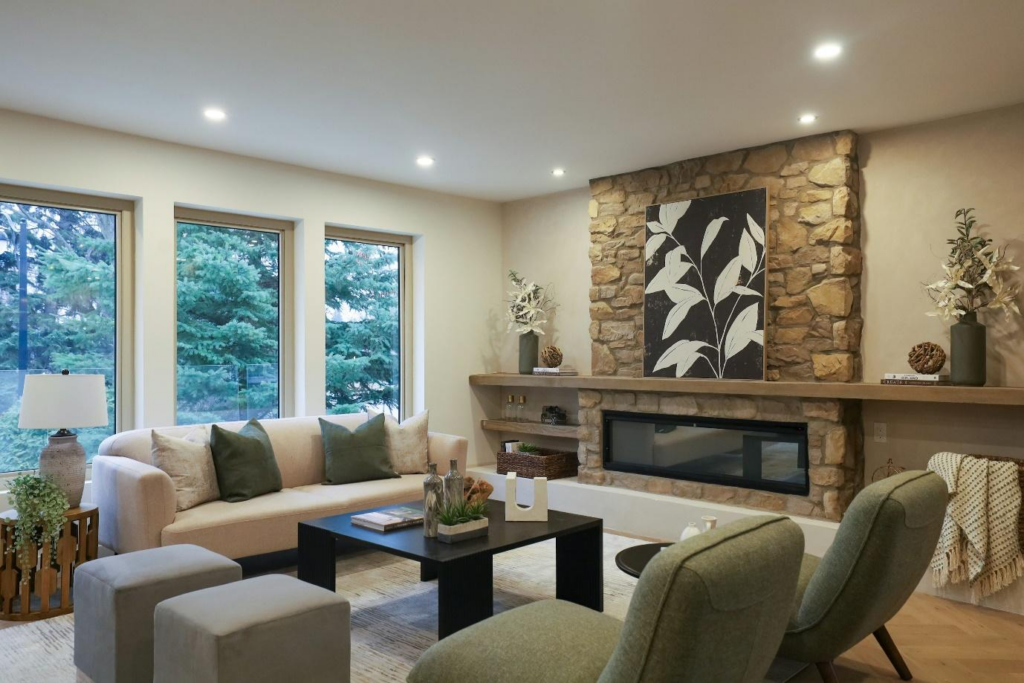
Common Types of Stone and Typical Uses
| Stone | Typical Character | Common Applications | Key Control |
|---|---|---|---|
| Granite | Granular pattern; broad color range | Counters, floors, stairs and exterior work where the selected variety is suitable | Confirm finish, absorption, edge details and slab variation |
| Marble | Distinctive veining; can develop patina | Feature walls, vanity tops, floors and decorative work | Approve stain, etch and maintenance expectations |
| Quartzite | Crystalline natural stone with varied movement | Counters, walls and selected floor applications | Verify the trade name against tested stone data |
| Limestone | Usually softer visual movement and muted tones | Floors, walls, fireplaces and some exterior cladding | Check porosity, freeze-thaw exposure and finish |
| Travertine | Visible pores and directional banding | Floors, walls and architectural features | Define filled or unfilled surface and repair standard |
| Slate | Layered structure and textured appearance | Floors, walls, roofs and landscape work | Check cleft variation, thickness and suitability for exposure |
| Onyx | Translucent decorative veining | Backlit panels and low-impact feature surfaces | Coordinate backing, lighting, fragility and repair |
| Soapstone | Dense appearance with a surface that may mark and patinate | Counters, hearths and specialty work | Approve color change, scratch expectations and care |
Granite

Granite is specified for many high-use surfaces, but performance differs by source, finish and fabrication. Review representative samples, test data and the proposed sealer rather than treating every granite as identical. Separate the material, edge, cutouts, reinforcement, installation and protection when comparing the cost of granite countertops.
Marble

Marble is valued for veining and depth, yet many varieties can etch or stain under common household exposure. Decide whether a changing patina is acceptable, then test the finish and care routine on a sample. The marble countertop guide explains the decision in a work-surface context.
Quartzite
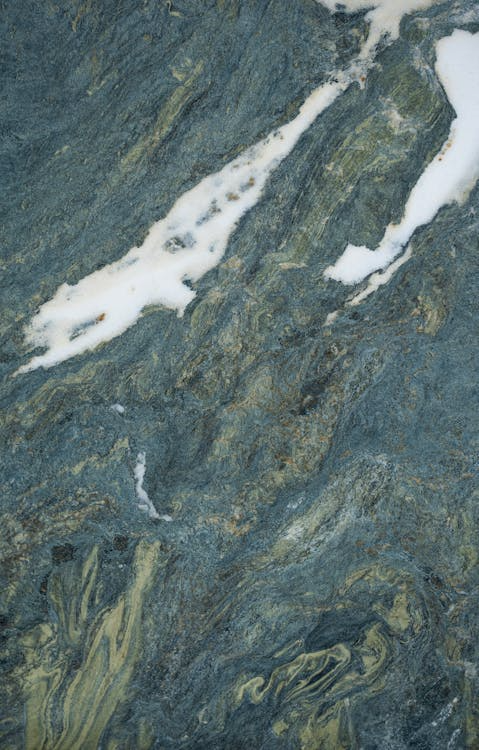
Quartzite can offer dramatic movement with a crystalline appearance. Commercial naming is not always enough to establish performance, so request petrographic or supplier data for the exact material. Review a real installation such as the Aqua Fusion quartzite kitchen while keeping the project-specific fabrication details separate.
Limestone and Travertine
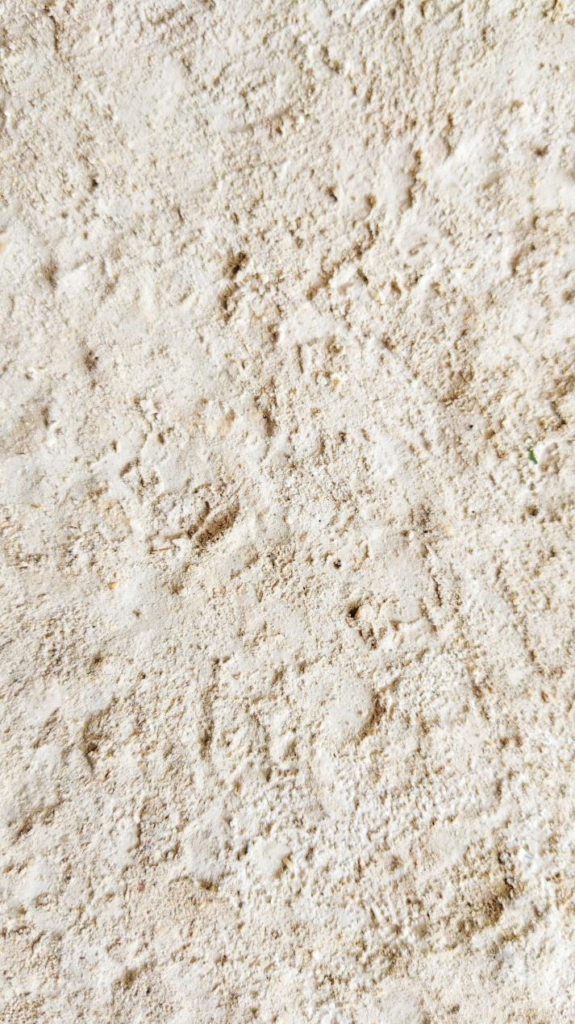
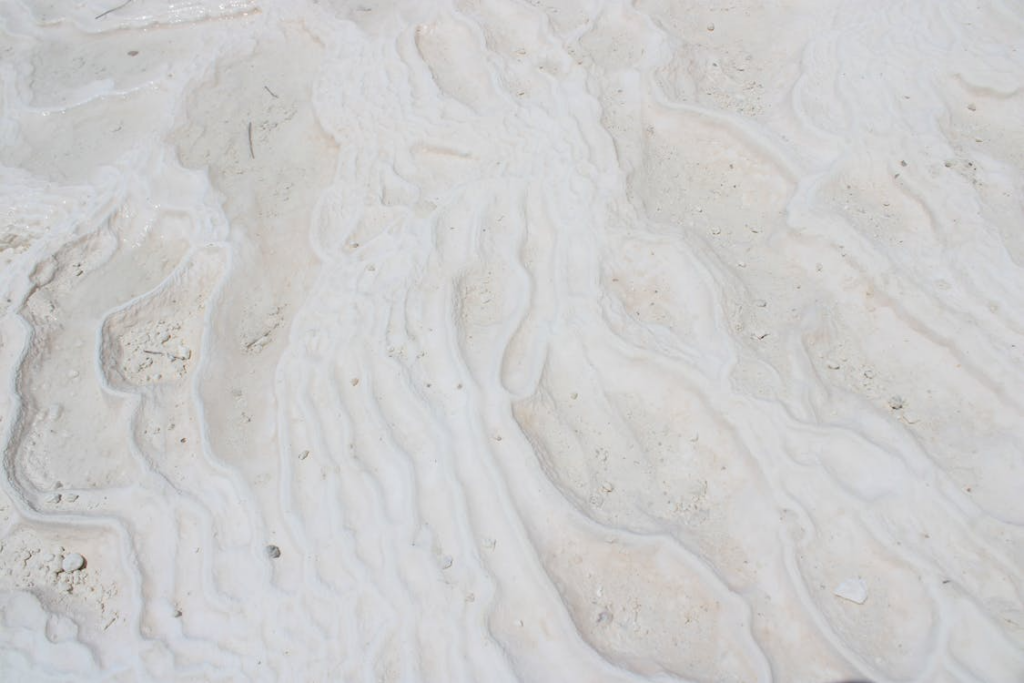
These stones are often chosen for warm color and texture. Define the finish, pore filling, edge treatment, joint width and repair acceptance before production. Exterior work also needs evidence for the local moisture, temperature and freeze-thaw conditions where applicable.
Slate, Onyx and Soapstone

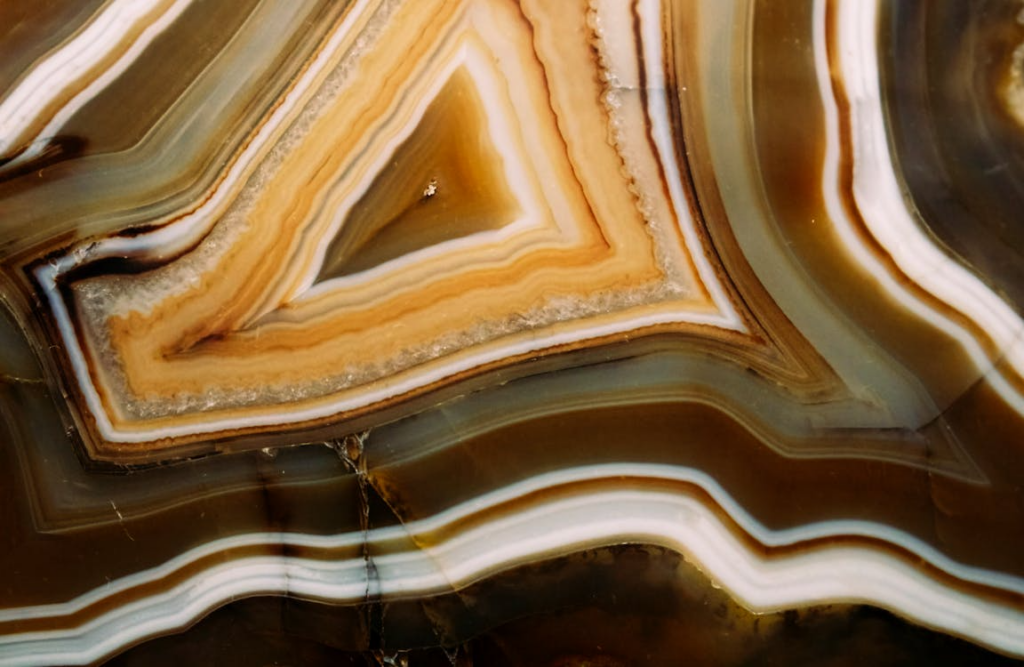
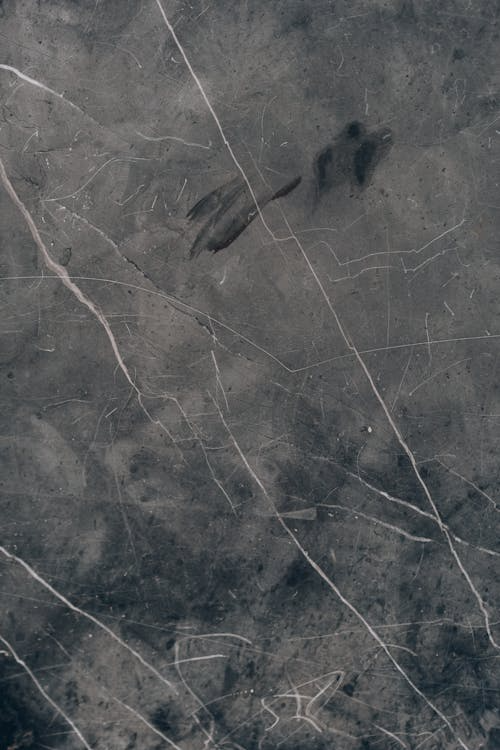
Slate can suit floors or cladding when the selected product’s thickness and layered structure are controlled. Onyx is normally a feature material that needs careful backing, handling and lighting coordination. Soapstone may develop scratches and color change that should be accepted through a physical sample rather than a catalog image.
Choose the Finish for the Application
- Polished: emphasizes color and reflection but can make marks, etching or scratching more visible.
- Honed: creates a lower-sheen surface; cleaning behavior still depends on the stone and sealer.
- Textured: can support grip and visual depth but may collect dirt or require a different cleaning method.
- Filled or resin-treated: define the treatment, color match, UV exposure and repair method.
- Book-matched or vein-matched: reserve adjacent slabs and approve a full layout before cutting.
Where stone meets ceramic or porcelain, align thickness, module, joints and movement details. The marble and tile combination guide shows how the materials can be coordinated visually.
Sample, Slab and Quality-Control Process
- Define the room, surface, traffic, chemical exposure, moisture and maintenance capability.
- Request current-range samples with the supplier’s source, grade, finish and technical data.
- Approve an acceptable range for color, veining, inclusions, pores and repairs.
- For slabs, photograph and number each piece before preparing the cutting layout.
- Coordinate seams, vein direction, edges, cutouts, support and adjacent materials.
- Prepare a mock-up where appearance, slip, stain or cleaning behavior is critical.
- Protect finished work and retain matching spare material from the approved batch.
Stone RFQ Checklist
- Stone name, geological type where known, quarry or source and supplier reference
- Slab or tile dimensions, thickness, quantity, waste allowance and spare stock
- Finish, surface treatment, sealer and expected maintenance
- Accepted variation range, repairs, resin, mesh backing and filled areas
- Shop drawings, cutting layout, vein direction, seams, edges and cutouts
- Substrate, adhesive, anchors, grout, movement joints and waterproofing interfaces
- Mock-up, inspection stages, packaging, delivery, storage and protection
- Care instructions, warranty terms and replacement-material availability
Approve the Real Material, Not Only the Name
Stone names help organize a shortlist, but the actual batch determines the final appearance and much of the performance. Approve representative samples, test evidence, fabrication details and the maintenance plan together. Coordinate the result with the broader wall, floor and furniture finish strategy before releasing material.