By George House/22,Jan,2026
Typical door dimensions are useful for concept planning, product comparisons and early schedules, but they are not universal fabrication sizes. Region, building type, accessibility, fire strategy, hardware, frame system and wall construction can change the required leaf, clear opening and rough opening. Use the examples below as common residential references, then verify every opening against the project documents and local requirements.
Understand the Dimension Terms
- Door leaf size: the nominal width, height and thickness of the moving panel.
- Frame size: the outside or schedule dimension of the assembled frame, depending on the specified convention.
- Rough opening: the structural opening before final packing, sealant and trim.
- Clear opening: the usable passage when the door is open, which is not the same as the nominal leaf width.
- Jamb depth: the frame dimension coordinated with wall thickness and finishes.
The standard door measurement guide explains how to record an existing leaf and opening. For new work, use one agreed convention across architectural drawings, door schedules and supplier shop drawings so that nominal and manufacturing dimensions are not mixed.
Common Residential Reference Sizes
| Door type | Common reference width | Common reference height | Verify before ordering |
|---|---|---|---|
| Interior hinged leaf | 24–36 in (610–914 mm) | 80 in (2032 mm), with taller options | Clear opening, room use, hardware and wall construction |
| Exterior entrance leaf | 32–36 in (813–914 mm) | 80 in (2032 mm), with taller options | Threshold, weather seals, security and local requirements |
| Single residential garage door | 8–9 ft (2438–2743 mm) | 7–8 ft (2134–2438 mm) | Vehicle, tracks, headroom, structure and wind requirements |
| Double residential garage door | About 16 ft (4877 mm) | 7–8 ft (2134–2438 mm) | Opening survey, structural support and operator system |
| Sliding patio assembly | 60, 72 or 96 in (1524, 1829 or 2438 mm) | 80 or 96 in (2032 or 2438 mm) | Panel arrangement, frame size, threshold and installation gap |
Interior Door Dimensions
(Source)
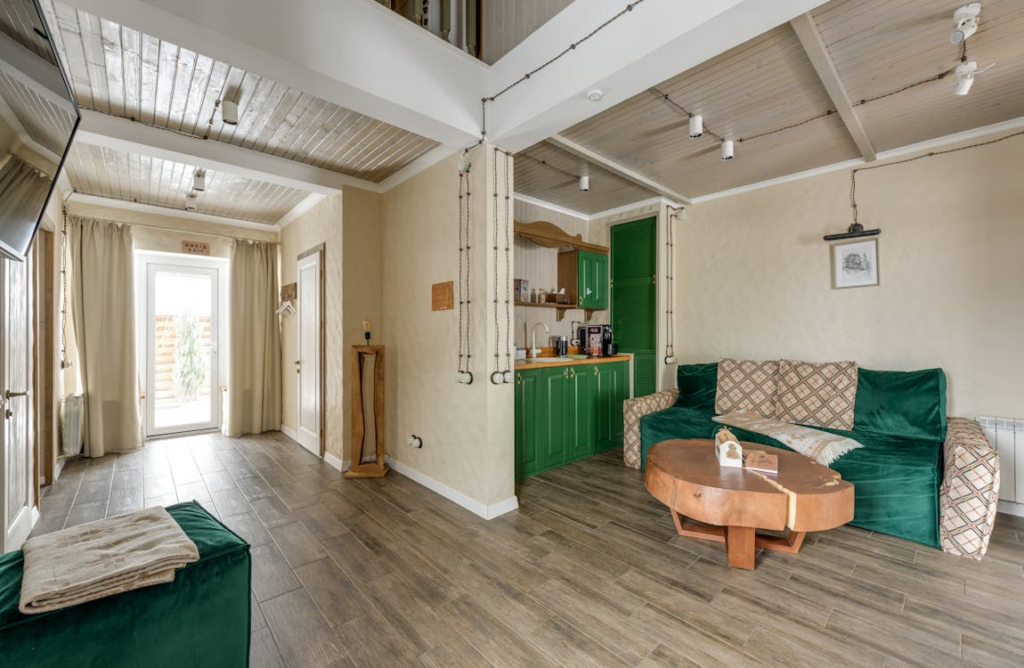
Bedrooms, bathrooms, storage rooms and circulation doors may use different widths even within one home. The standard interior door size guide provides more detail on typical leaf widths and clear-opening checks. Coordinate door thickness, hinge type, lock backset, floor clearance and furniture movement before fixing the schedule.
Exterior Door Dimensions

(Source)
Entrance doors add threshold, seals, drainage, locking and weather interfaces to the dimensional check. Taller or wider leaves may need different hinges, pivots, reinforcement and handling. The standard door height guide covers common height references, while the door frame width guide explains how the jamb, stop and wall build-up affect the overall assembly.
Garage and Sliding Door Dimensions
(Source)
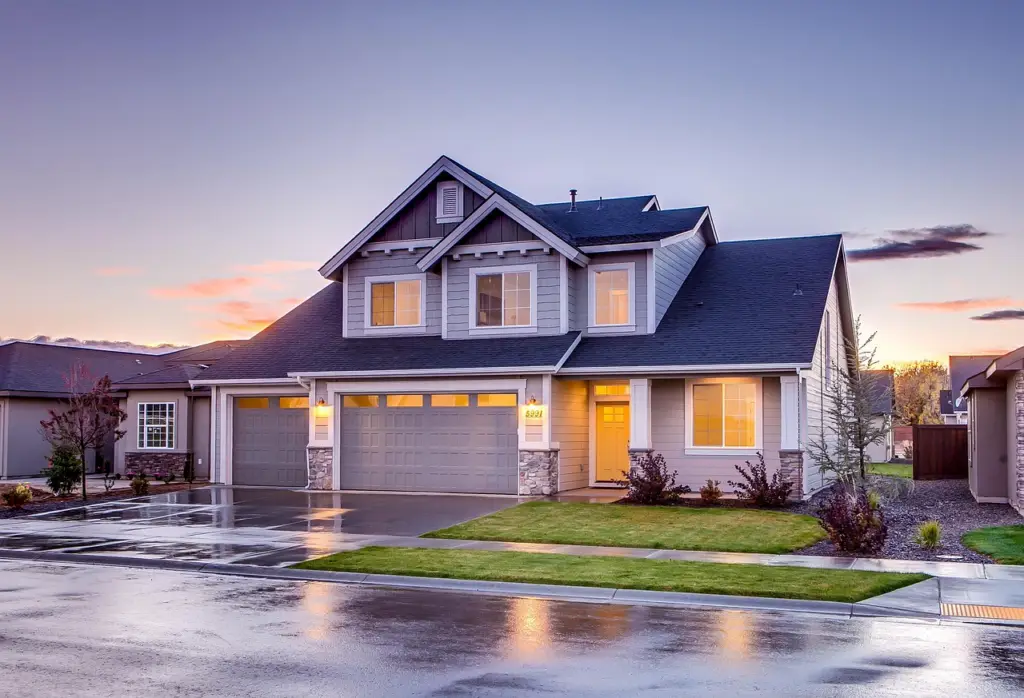
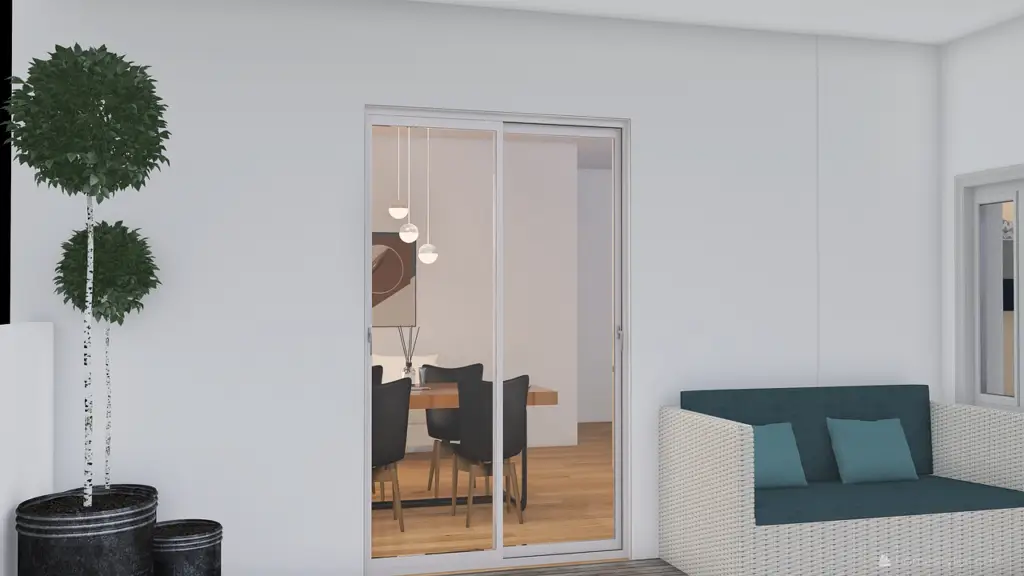
Garage doors require headroom, sideroom and backroom in addition to opening width and height. The track, spring and operator system must match the final door weight and configuration. Sliding patio-door dimensions refer to the whole frame or assembly, not simply one moving panel. Check panel count, overlap, threshold, drainage, installation gap and the structural opening.
Keep Units and Schedules Consistent
Do not repeatedly convert rounded dimensions between imperial and metric units during design development. Select the controlling unit for the project, show the other unit only as a reference and state which value governs fabrication. Give every opening a unique door mark and use that mark on plans, elevations, schedules, hardware sets and shop drawings. Where several door types share a nominal size, keep their frame, threshold, glazing and hardware requirements separate. This prevents one reference dimension from being applied to different assemblies without checking the interfaces.
(Source)
Final Check Before Ordering
- Confirm whether every scheduled value is leaf, frame, rough-opening or clear-opening size.
- Survey actual openings after structural and finish conditions are known.
- Check handing, swing, threshold, floor build-up and adjacent obstructions.
- Coordinate accessibility, fire, acoustic, security and environmental requirements.
- Approve shop drawings and hardware templates before fabrication.
- Record installation gaps, packing, sealant, trim and site tolerance responsibility.
For a coordinated review, send the door schedule, plans, sections, wall details and hardware requirements. The supplier quotation should state all dimension conventions and exclusions.