By George House/01,Jun,2026
Color, furniture, lighting, and layout convey a story in every home. There are warm and classic spaces, and there are sleek and airy spaces. This difference is typically attributed to the interior design styles selected.
A good design style is a design that influences the appearance of a room and how people feel in it. The National Association of Realtors (NAR) reported that most homeowners stated that home design changes increased their enjoyment of living spaces.
Comfort, organization, and even mood are influenced by design choices. This guide will give you a look at some of the most popular interior design styles, some of the most popular living room and bedroom ideas, and how to select styles that will fit your lifestyle and preferences.
Top Interior Design Types That You Need To Know
(Source)
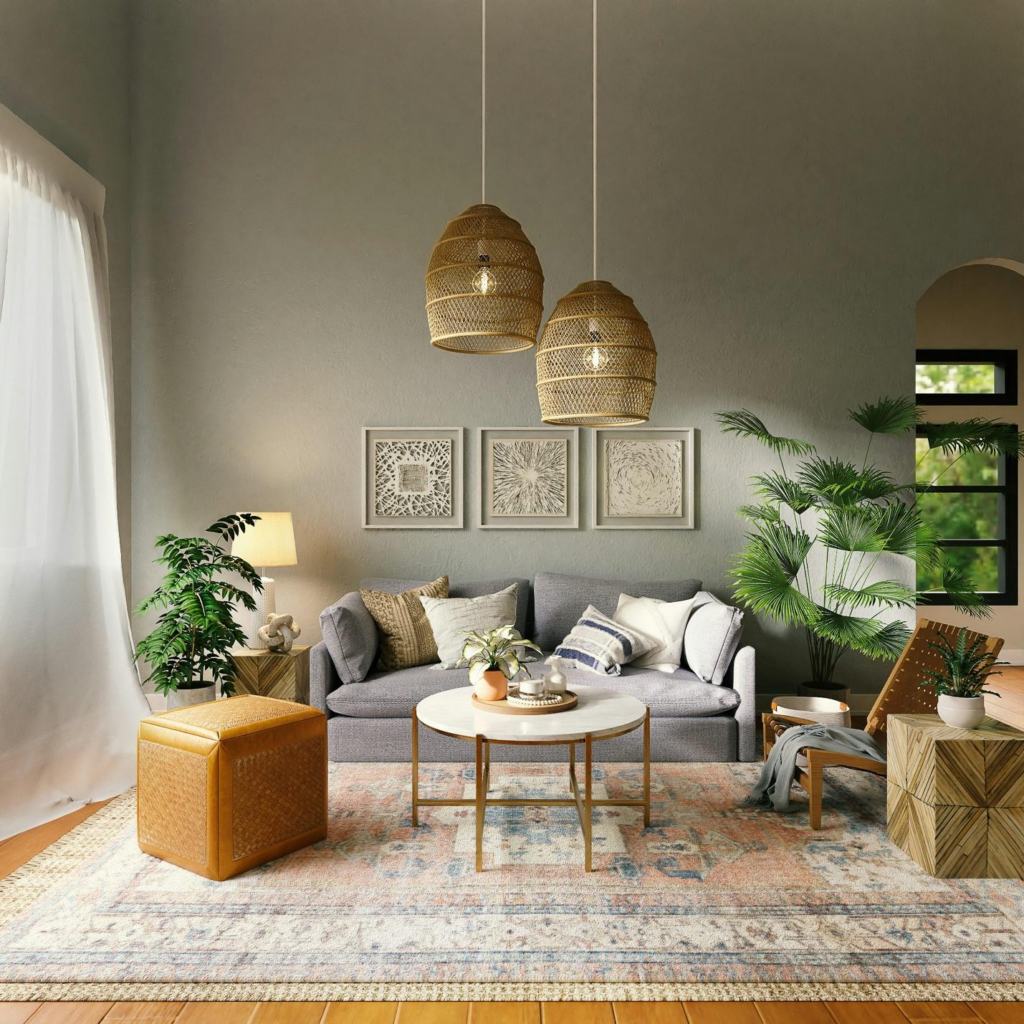
Each house has a different appearance and purpose. Some like clean modern lines, others like cozy rustic finishes. The most popular interior design styles are comfortable, beautiful, and functional. These are the styles that remain popular due to their functionality in contemporary homes and their ability to add character and charm.
Transitional Interior Design
Transitional design combines classic features with contemporary simplicity. It doesn’t overdecorate and still makes rooms warm and inviting. Neutral colors are popular in this style as they provide balance and flexibility. Furniture frequently combines traditional curves with sleeker modern lines.
Transitional spaces are popular due to their timeless appeal rather than being trendy. This style may feature soft lighting, multiple textures, and cozy seating arrangements. Wood, glass, and metal accents complement each other, but do not overpower the space. Transitional design is ideal for both small apartments and larger homes, as it remains visually calm and adaptable.
Traditional Interior Design
The traditional interior design adds a classic and polished look to the home. This style is characterized by rich wood furniture, elegant fabrics, and symmetrical layouts. Warm colors such as cream, brown, burgundy, and gold are commonly employed in many traditional spaces.
This style may be familiar and comforting because it is similar to design patterns that have been used in older homes. Typical features include decorative molding, framed artwork, and layered curtains.
The traditional spaces typically emphasize order and harmony. Symmetry is common in furniture placement, resulting in visual balance. This design style is ideal for formal dining rooms, living rooms, and heritage-style homes.
Mid Century Modern Interior Design
Mid-century modern design was popular from the 1940s to the 1960s and continues to be favored today. This style is all about simplicity, functionality, and open space. Tapered legs, geometric forms, and clean lines are common in furniture design.
Open windows and minimal clutter create a sense of openness and comfort. Large windows and little window treatments are common features of mid-century homes to make the most of natural light.
This style is often seen with wood finishes like walnut and teak. Other bright accents, such as mustard yellow or olive green, are also common. Mid-century modern interior designs are functional, yet still personal and charming.
Modern Farmhouse Interior Design
Modern farmhouse style is a blend of rustic and contemporary touches. It gained popularity, particularly due to its casual and inviting nature without appearing dated. Typical features include white walls, wood textures, black metal accents, and open shelving.
The style often features recycled wood and vintage-style lighting fixtures. You can also add the right modern farmhouse furniture to ensure a proper look.
Comfort is a key aspect of modern farmhouse interiors. Inviting spaces for family gatherings are created with warm textures, simple décor, and large sofas. This style is best suited to kitchens and living rooms, as they tend to become the focal points of the home.
Rustic Interior Design
Rustic design embraces natural materials and raw textures. The stone walls, exposed wood beams, and earthy colors evoke a sense of warmth. The use of natural materials and finishes creates a sense of connection to nature in many rustic homes.
This style may feature handmade furniture and rustic textures. Rustic interiors steer clear of shiny finishes. Minor flaws are good for character and authenticity. Layered fabrics and warm lighting add to the rustic appeal. Rustic design is often used in cabins, country homes, and mountain retreats, as it captures the essence of the outdoors.
Interior Design Styles: Living Room Top Picks
(Source)
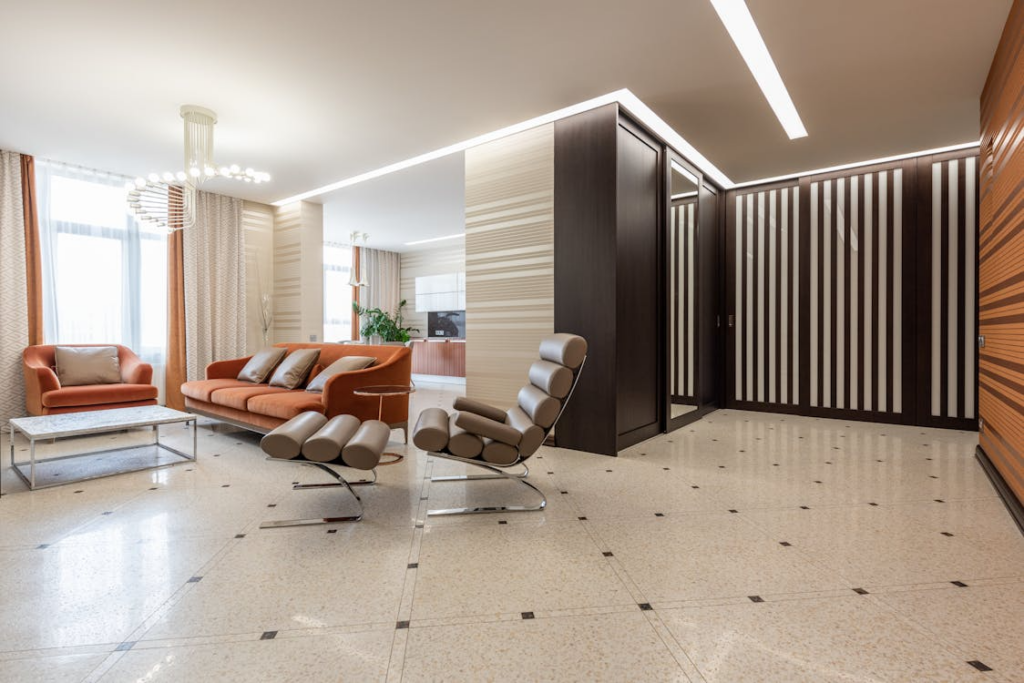
Living rooms can make a first impression. They come there every day to relax, entertain, and talk with each other. The ideal living room interior design styles combine both comfort and style. These living room styles still remain popular due to their ability to facilitate daily living and provide a sense of identity.
Transitional Living Interior Design
A transitional living room is a balance between the two, and it feels polished but not too formal. Most transitional areas are neutral, as it lets furniture and textures pop off the wall.
Warmth is provided through soft rugs, layered cushions, and simple lighting. Traditional comfort and sleek modern lines are not uncommon in furniture. This style is particularly suitable for families as it is inviting and easy to maintain.
Open spaces and big windows also contribute to openness. Transitional living rooms never go out of style since they do not follow any fads. Their flexible design enables homeowners to update the décor over time without having to replace the entire space.
Eclectic Living Room Interior Design
A living room that is eclectic and harmonious is a combination of several styles. This design style allows the homeowner to mix and match colors, textures, and décor from various influences.
Vintage chairs can be paired with contemporary art, and patterned rugs can lend character to the area. Balance is the key to good eclectic design. You can avoid visual chaos by repeating the colors or the materials.
The eclectic rooms may be a reflection of personal memory, travel, or creative interests. This style is ideal for people who like to have some freedom with their decorating in their home.
Interior Design Styles: Bedroom Top Picks
(Source)
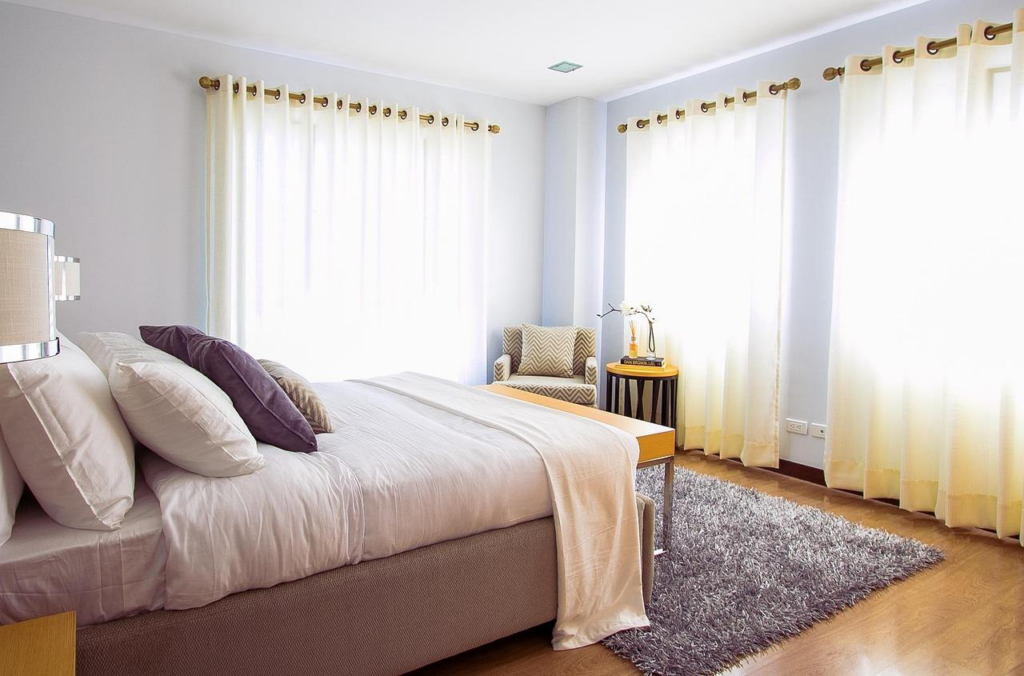
Bedrooms should be relaxing, peaceful, and inviting. A well-designed bedroom can contribute to better sleep and overall comfort during the day. Certain interior design styles can aid in establishing a serene and orderly environment. These bedroom styles are still in use due to their simplicity, comfort, and functionality.
Asian Zen Bedroom Interior Design
Asian Zen bedrooms are about relaxation and simplicity. The style is characterized by neutral colors, soft textures, and clean layouts. Furniture is kept to a minimum, and natural materials add warmth.
The design is frequently bamboo, linen fabrics, and light. Decorative elements are kept to a minimum as the focus is on mental peace and tranquility rather than visual stimulation. Balance is often achieved with indoor plants and natural light.
Contemporary Bedroom Interior Design
Contemporary bedrooms reflect current design trends while keeping layouts clean and practical. Neutral tones often dominate the room while bold accents appear through artwork or bedding. Storage solutions are usually built into the design to reduce clutter.
Contemporary bedrooms often include sleek lighting fixtures, smooth furniture finishes, and large windows. This style adapts easily to changing trends because accessories can be updated without changing the entire room structure. The overall feeling remains clean, fresh, and functional.
Scandinavian Bedroom Interior Design Style
Scandinavian bedroom design focuses on comfort, simplicity, and brightness. White walls, soft textures, and natural wood tones are central features of this style.
Cold-weather countries inspired this approach because homes required warmth and light during long winters. Cozy blankets, layered bedding, and soft lighting create welcoming spaces without visual clutter.
Scandinavian bedrooms use this principle effectively through pale colors and open layouts. This design style feels airy, peaceful, and highly practical for everyday living.
Refresh Your Home Style with George Group
Choosing the right interior design styles helps create spaces that feel comfortable, functional, and visually appealing every day. From rustic warmth to Scandinavian simplicity, each style brings a different atmosphere into the home. Good design improves mood, organization, and daily living experiences.
George Group creates stylish interior solutions that combine comfort, personality, and modern functionality for homes that truly feel welcoming and complete.