SPC flooring ideas should be evaluated as product and installation systems, not only as colors or wood-look patterns. Core construction, wear layer, locking profile, underlay, substrate condition, room exposure, transitions and maintenance information all affect suitability.
Understand the SPC Flooring Build-Up
SPC is a rigid vinyl flooring category. A product may include a surface coating, wear layer, printed film, rigid core and attached backing. Ask the supplier for the declared layer build-up and test documents rather than relying on a generic category description.

Define the Room and Use Conditions
Record room type, expected traffic, rolling loads, direct sun, moisture exposure and cleaning method. Compare SPC with other room options in the best flooring options guide.
Compare Plank Size, Pattern and Color
Plank proportions and pattern repeat influence the finished floor. Review several pieces together under project lighting. Light finishes may coordinate differently from the materials discussed in the light wood floor guide.
Review Wear Layer and Surface Finish
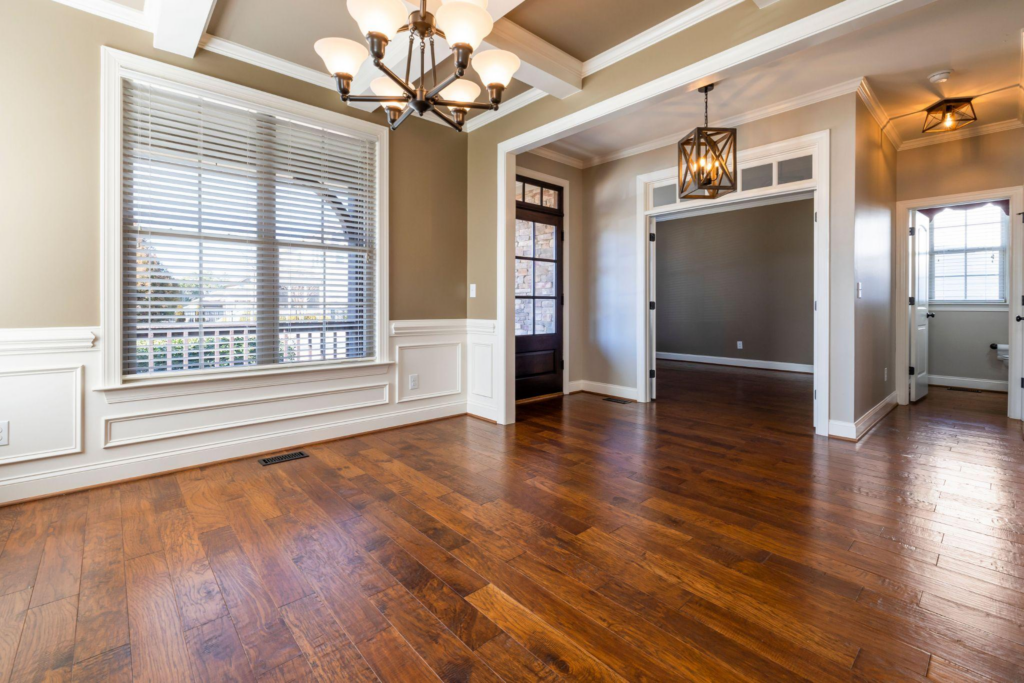
Total thickness alone does not define performance. Record wear-layer information, surface texture, bevel, coating and the test standards declared by the manufacturer. Avoid translating one laboratory result into a universal scratch or dent guarantee.
Check the Locking System and Edge Detail
Inspect the click profile, edge condition and permitted installation direction. Damaged joints can affect alignment. Obtain instructions for tapping, replacement and maximum continuous areas.
Assess the Subfloor
Flatness and Surface Condition
The substrate should meet the product’s stated flatness, strength and cleanliness requirements. High points, depressions and debris can load the joints and remain visible through the completed floor.
Moisture and Existing Finishes
Follow the manufacturer’s moisture testing and substrate rules. “Water-resistant” flooring does not remove the need to manage moisture below the floor or at walls, doors and wet-area interfaces.
Confirm Underlay and Acoustic Requirements
Some products include attached backing; others require a compatible underlay. Extra layers are not automatically beneficial and may affect joint support. Request the assembly used for any acoustic or comfort claim.

Plan Expansion Gaps and Transitions
Use the product instructions for perimeter gaps, room limits, transitions and fixed objects. Coordinate skirting, trims, door frames and adjacent floor heights before installation.
Coordinate Kitchens and Wet-Use Areas
Check cabinet sequencing, appliance access, leaks, floor drains and perimeter details. For areas where tile is being considered, compare installation and use conditions with the kitchen floor tile guide and the slip-resistance selection guide.
Use a Mockup and Approved Sample
Approve color range, pattern repeat, joint appearance, bevel and transition trims. A small mockup can also confirm substrate preparation, cutting, edge details and cleaning method.
Prepare the SPC Flooring RFQ
- Room schedule and net areas
- Plank size, color, pattern and bevel
- Layer build-up and declared test documents
- Substrate, moisture and underlay requirements
- Transitions, skirting, wastage and spare stock
- Packing, installation and maintenance deliverables
Final Selection Check
Choose SPC flooring from a named product data set and the actual site conditions. The flooring and tile category can support package coordination, while the final approval should record the sample, substrate requirements and installation method.