By George House/02,July,2025
The best exterior door material is the one that matches the complete opening, climate, exposure, performance requirements and maintenance plan. Material names alone do not establish weather resistance, energy performance, security or service life. The leaf, frame, glazing, seals, threshold, hardware, finish, drainage and installation details work as one assembly.
Instead of choosing from a universal ranking, compare documented assemblies against the same project criteria. Coastal exposure, driving rain, solar heat, freeze-thaw conditions, wind pressure and sheltered locations can require different specifications.
Start With Project Exposure and Required Evidence
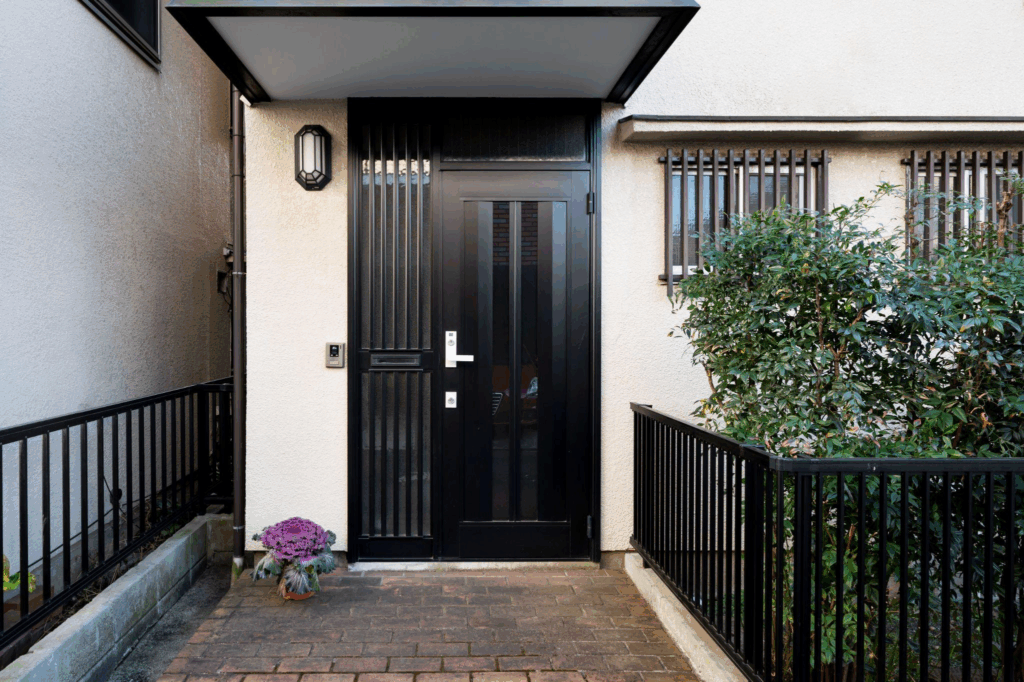
- Location: climate zone, elevation, distance from salt exposure and orientation.
- Opening: size, handing, swing, wall build-up and threshold condition.
- Performance: structural, air, water, thermal, impact, fire or acoustic requirements where applicable.
- Use: traffic level, accessibility, security and hardware schedule.
- Evidence: current reports, product approvals, certified ratings and installation instructions required by the project.
ENERGY STAR explains that window and door criteria vary by product configuration and climate, while NFRC ratings provide standardized energy-performance data for specific fenestration products. Review the proposed model and glazing configuration rather than relying on a general material claim. See the ENERGY STAR buying guidance and NFRC residential certification program.
Compare Materials as Complete Door Assemblies
| Door type | Items to verify | Project questions |
|---|---|---|
| Aluminum | Profile system, thermal break where required, finish, drainage, compatible fasteners and isolators | Is the complete assembly documented for the exposure and opening size? |
| Fiberglass/composite | Skin, core, edge construction, frame, finish, glazing and hardware reinforcement | What configuration was tested and what maintenance is required? |
| Wood | Species or substrate, construction, moisture control, finish, edge sealing and exposure limitations | Is the entrance sheltered and is the finish-maintenance plan realistic? |
| Steel | Sheet and frame construction, corrosion protection, core, welds, finish and hardware preparation | How are cut edges, fasteners, threshold and damaged finishes protected? |
Frame, Threshold, Glass and Hardware
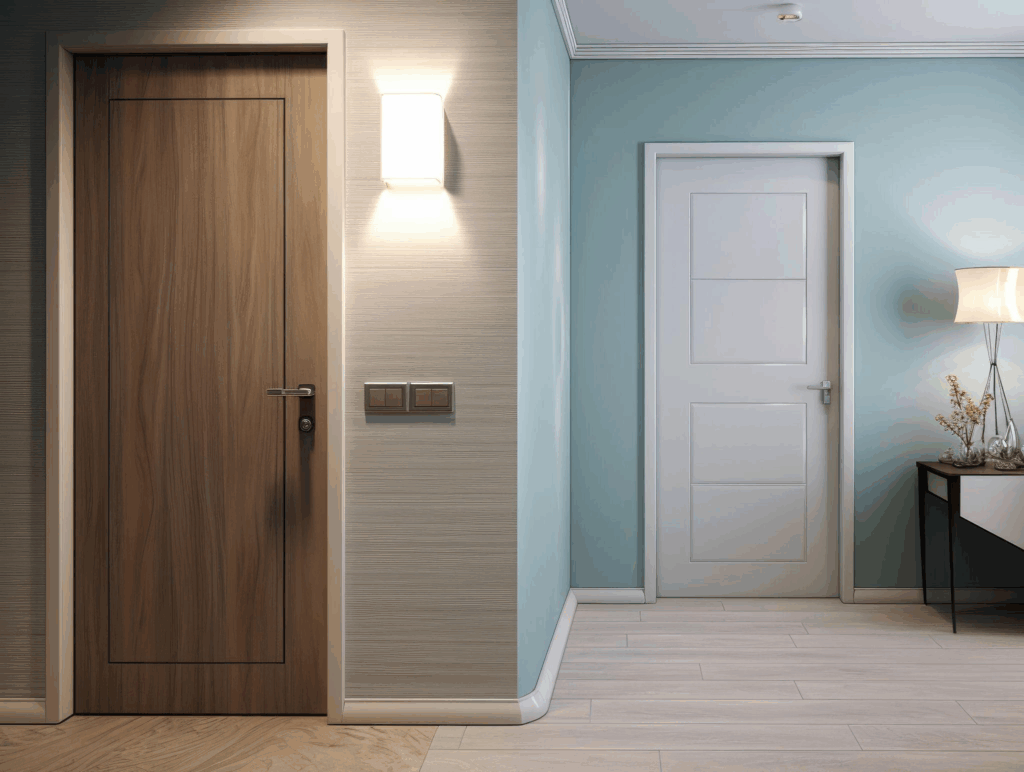
A durable leaf cannot compensate for an unsuitable frame or installation. Coordinate anchorage, perimeter joints, sill pan or drainage strategy, exterior weather seal, interior air seal and water paths. For glazed doors, confirm the exact glass build-up, safety requirements, spacer, edge clearances and replacement method.
Hardware must match leaf weight, traffic, exposure and security requirements. Record hinges, locks, closers, panic hardware, seals, fasteners and finish compatibility in the door schedule.
Exterior Door RFQ Checklist
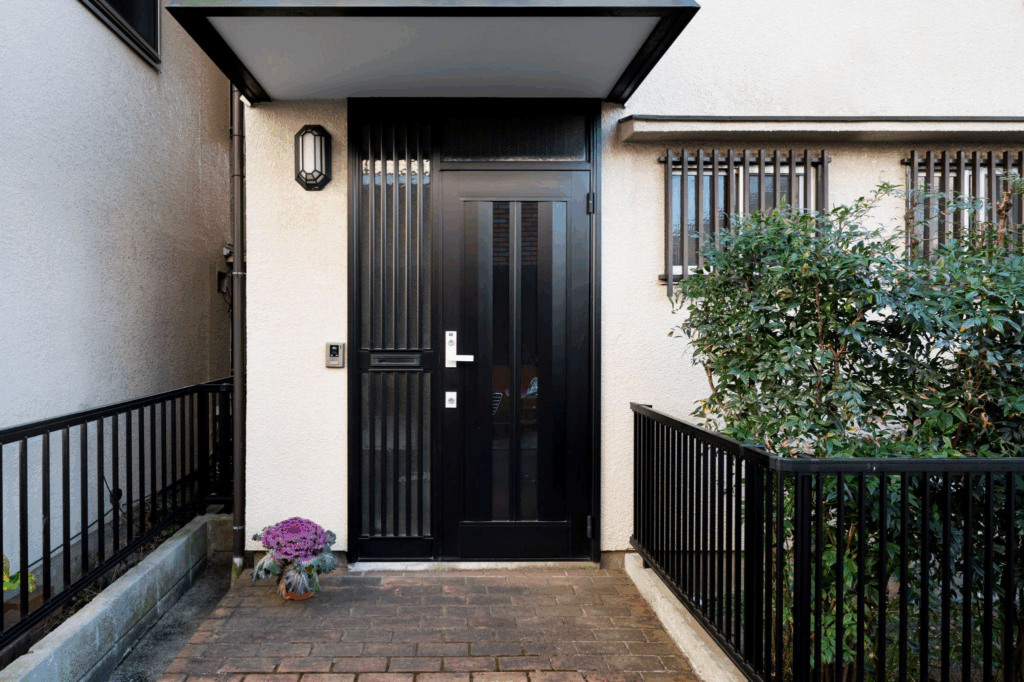
- Opening schedule, elevations, wall details and handing
- Climate, exposure, design conditions and governing requirements
- Leaf, frame, glazing, threshold, seals and drainage
- Finish system, color sample and maintenance requirements
- Hardware set, reinforcement and access-control interfaces
- Required reports, product approvals and certified ratings
- Shop drawings, sample or mock-up and approval sequence
- Packing, installation scope, field testing and exclusions
Review our guides to impact-resistant coastal doors, solid wood exterior doors, 36 × 80 exterior door planning and the door and window product hub. For a project comparison, send the opening schedule and performance requirements.
Frequently Asked Questions
Is aluminum always better in harsh weather?
No. Suitability depends on the profile system, finish, drainage, fasteners, glass, seals, anchorage, exposure and supporting documentation.
Can the leaf material prove energy performance?
No. Energy performance applies to the rated assembly and configuration, including frame and glazing where present.