By George House/09,Oct,2025
Double pane windows cost depends on much more than the number of glass layers. Frame material, window type, size, glass coating, gas fill, safety glazing, installation access, trim repairs and local labor can all change the quotation. Use broad market ranges only for early budgeting, then compare written quotes against the same window schedule and scope.
Double Pane Windows Cost: 2026 Planning Range
As one current U.S. planning reference, Pella’s 2026 replacement-window guide lists broad installed ranges of about $800–$1,600 per vinyl window and $1,100–$2,200 per fiberglass or wood window, with wood extending above that range. These figures are from one manufacturer, are not a George House quotation and are not specific to every double-pane configuration. Project location, opening condition and selected options can move the final price substantially. Review the source guide and its assumptions before using the figures in a budget.
| Budget item | Why it changes cost | What to request |
|---|---|---|
| Window unit | Frame, size, operation, finish and hardware | Itemized model and options |
| Insulated glass | Coatings, gas fill, spacers, thickness and safety glass | Glass build-up and performance data |
| Removal and installation | Insert versus full-frame work, access and opening condition | Written installation method |
| Interior and exterior finish | Trim, drywall, siding, flashing, paint and sealant | Included work and exclusions |
| Logistics | Freight, storage, protection, permits and disposal | Delivered price and responsibility matrix |
For a broader replacement budget, separate the window unit, removal, installation, perimeter work, finishes and logistics. Do not compare a supply-only price with an installed price as though they cover the same work.
Seven Factors That Drive the Final Price
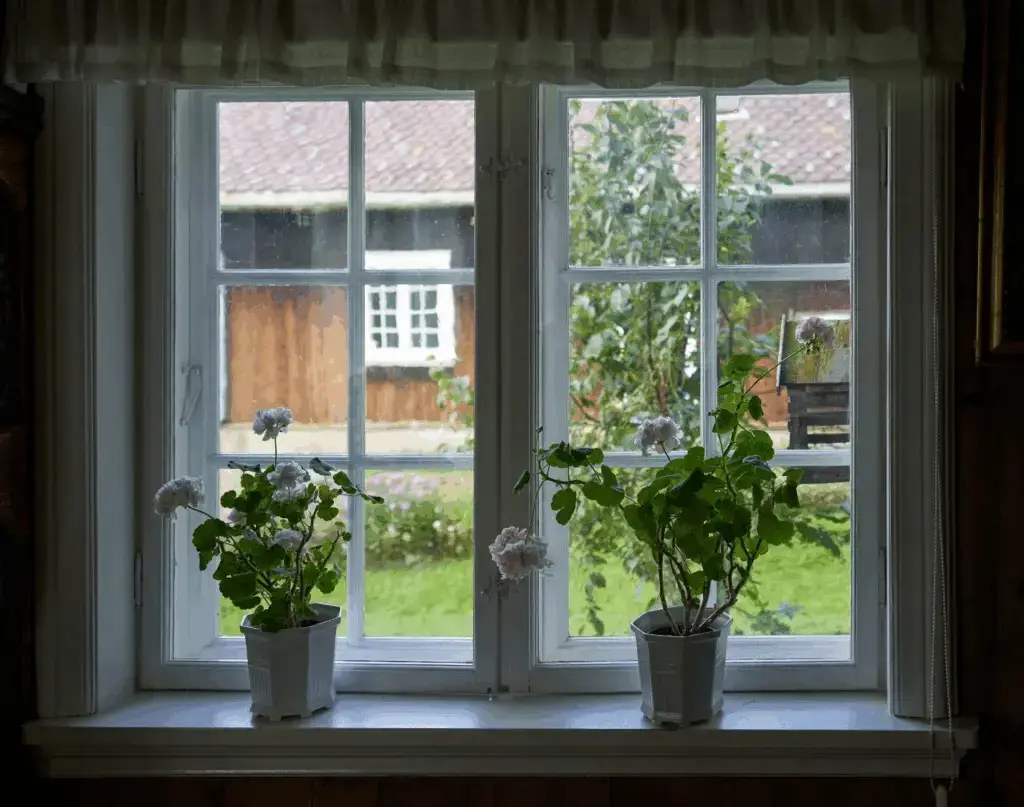
- Frame material: vinyl, fiberglass, aluminum, wood and composite frames have different profiles, finishes, maintenance needs and price structures.
- Window type: fixed units are mechanically simpler than operable casement, awning, hung or sliding units; specialty shapes and large assemblies add complexity.
- Size and configuration: oversized glass, coupled units, grids and custom dimensions affect glass processing, reinforcement, handling and freight.
- Glass specification: low-emissivity coatings, argon or other fills, laminated or tempered panes, tint and acoustic build-ups should be stated rather than assumed.
- Performance target: thermal, solar, air, water, structural and impact requirements can change the entire tested system.
- Opening condition: rot, corrosion, water damage, out-of-square openings and failed flashing create work beyond the window unit itself.
- Project logistics: height, access, occupied rooms, protection, disposal, permits, tax and delivery timing all affect installed cost.
Compare Performance, Not Just Pane Count
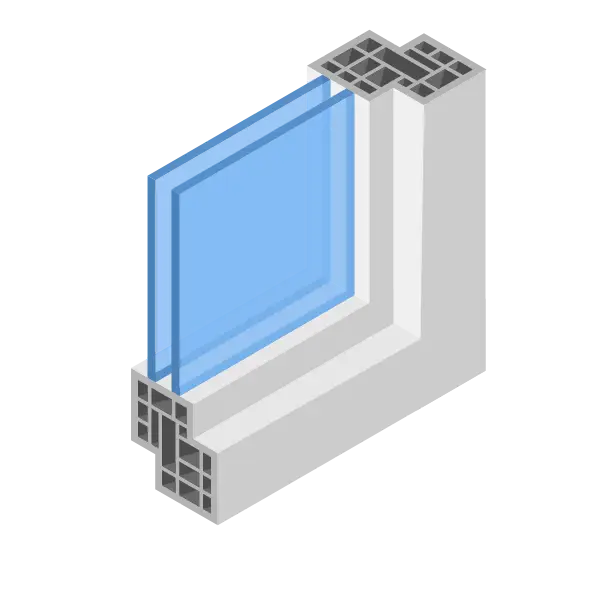
“Double pane” describes an insulated glass unit with two panes, but it does not by itself establish energy performance. The National Fenestration Rating Council label reports values such as U-factor, solar heat gain coefficient, visible transmittance and air leakage for rated products. Use the NFRC label explanation and the NFRC product directory to compare like-for-like configurations. The U.S. Department of Energy also recommends reviewing ENERGY STAR and NFRC information when choosing replacement windows.
Ask whether the quoted rating applies to the complete window size and operating type being purchased, not just the center of the glass. Climate zone, orientation, shading and local energy requirements should guide the target values.
Double Pane Versus Single Pane
| Comparison | Single pane | Double pane |
|---|---|---|
| Initial unit cost | Usually lower | Usually higher |
| Thermal separation | One glass layer | Insulated glass cavity plus two panes |
| Condensation behavior | Highly dependent on climate and indoor humidity | Can improve interior-surface temperature when correctly specified |
| Replacement decision | May suit limited special applications | Common choice where energy performance is a priority |
Energy savings cannot be guaranteed from pane count alone. Existing-window condition, whole-window rating, installation quality, air sealing, building orientation, climate and operating behavior all matter.
How to Build a Comparable Window RFQ
- Window mark, quantity, room and elevation
- Width, height, operating type and handing
- Frame material, color, interior finish and hardware
- Glass build-up, coating, gas fill and safety-glazing locations
- Required U-factor, SHGC and other project performance values
- Insert or full-frame installation method
- Flashing, sill pan, sealant, trim, paint and making-good scope
- Removal, disposal, freight, tax, permits and access equipment
- Shop drawings, samples, test data, lead time and warranty
Start with the standard window size planning guide, compare common openings in the average window sizes reference, and confirm whether a fixed unit such as a picture window suits the elevation. Browse coordinated products through the door and window hub or send the schedule and scope for a project quotation.