By George House/05,Jan,2026
A kitchen should feel alive. It should be full of stories, warmth, and rhythm. That is precisely what a Spanish-style kitchen does with the help of texture, color, and sincere materials. The design is friendly, traditional, and practical. Homes with Spanish kitchen design tend to be grounded as all the details are not in vain.
A Spanish-style kitchen design is a sign of coziness that does not wear out its welcome. A Spanish-inspired kitchen is one of the popular choices of many homeowners in order to introduce heritage and character to their daily lives. It is not new; it is a family recipe that has been passed down through the generations.
The Roots of Spanish Kitchen Design
Spanish kitchens expanded out of everyday life, family dinners, and togetherness. This style appreciates coziness more than polish and personality more than perfection. A Spanish kitchen design blends influences from Moorish, Mediterranean, and rural European homes. Before diving into specific features, it helps to understand how these kitchens balance beauty and practicality across different design elements.
Influences Of Culture That Formed The Appearance
Centuries of common cultures converge in the Spanish kitchen. The geometry and movement found there are lasting imprints of Moorish tilework. Mediterranean influences brought in light and openness. Stone, clay, and wood were popular in rural Spanish homes as they were readily available.
A United Nations Educational, Scientific, and Cultural Organization (UNESCO) article tells us that most of the traditional methods of Spanish building were aimed at natural cooling and longevity. These values still shape the Spanish-style kitchen today.
Space is inhabited and not artificial. The design promotes meetings and discussion. A Spanish-inspired kitchen carries history without feeling heavy or outdated.
Key Materials Used in Spanish Style Kitchens
(Source)
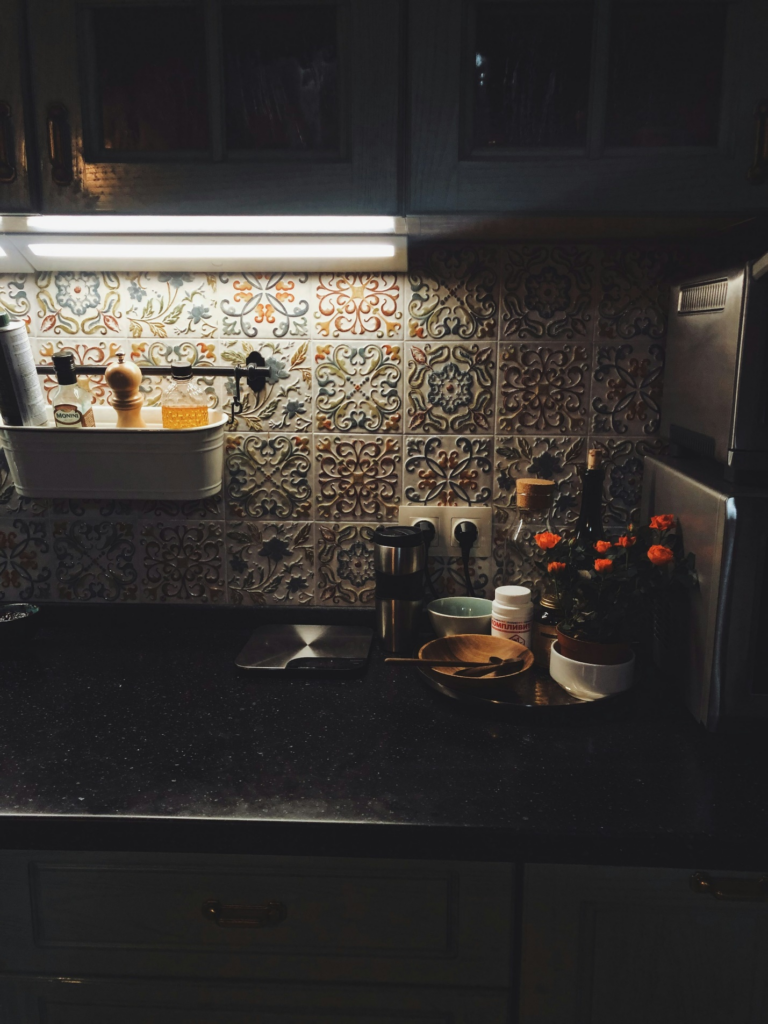
Materials define the soul of a Spanish-style kitchen design. These kitchens are based on the surfaces of touch that get old beautifully. There is no sense of something too exquisite or delicate. Let’s show how every material option will correlate with the emotion it produces, and this will assist homeowners in comprehending why these aspects are still popular over the decades.
Natural Stone and Textured Surfaces
Stone or granite kitchen countertops and rough plaster walls anchor a Spanish-style kitchen. Limestone, travertine, and marble are silent sources of power. The U.S. Department of Energy (DOE) indicates that stone surfaces are used to naturally control the temperatures in the interiors.
This is the reason why the Spanish traditional houses remained comfortable even without modern cooling. These materials are not intrusive to the eye. A Spanish kitchen interior space often uses stone backsplashes or flooring for continuity.
Wood Beams and Rustic Cabinetry
Wood plays a steady role in Spanish kitchen design. Exposed ceiling beams infuse a sense of warmth, and the cabinets, often made of solid wood, proudly show their natural grain. At US Forest Products Laboratory (FPL) points out, hardwoods that are well-maintained can last for generations.
That longevity suits an old-world Spanish kitchen aesthetic. Occasionally, painted finishes are used, but natural stains are still popular. These cabinets are heavy-handed. They make visual equilibrium on stone and tile surfaces. A Spanish-inspired kitchen often feels calmer because of these grounded materials.
Color Schemes Characterizing Spanish Kitchens
(Source)
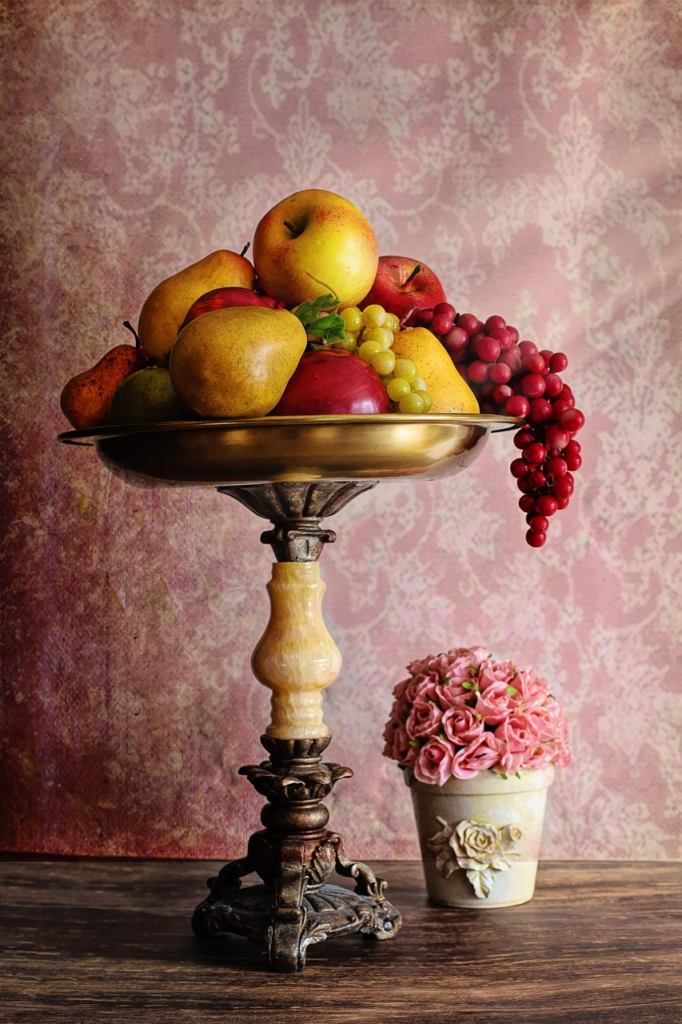
Color narrates the history of location and weather. Spanish kitchens are a manifestation of earth, sun, and sea. The palette is not loud, but it is expressive. To soften the presence of heavy materials and add warmth, pay close attention to your color palette. That being said, here are some color schemes worth considering for your kitchen.
Warm Neutrals and Earthy Tones
Terracotta, sand, and clay tones anchor a Spanish-style kitchen. These colors are a mirror of the Spanish landscape. Walls are warm cream instead of white. This diffuses light and minimizes glare.
A Spanish kitchen decor scheme feels relaxed because colors blend naturally. Wood and stone textures are brought to the fore with these tones. The kitchen is friendly and does not look crowded.
Accent Colors Nature-inspired
The kitchen is punctuated with accents of deep blue, green, and red. These traditional hues are vividly brought to life in hand-painted tiles and rustic pottery. In a Mediterranean kitchen style, these accents add rhythm.
A Spanish-style kitchen design benefits from restraint. Colors of accents are used sparingly. They lead the eye but do not dominate the space. This equilibrium makes the kitchen classic and not a fad.
Characteristic Elements That Go Well with a Spanish-Style Kitchen
(Source)
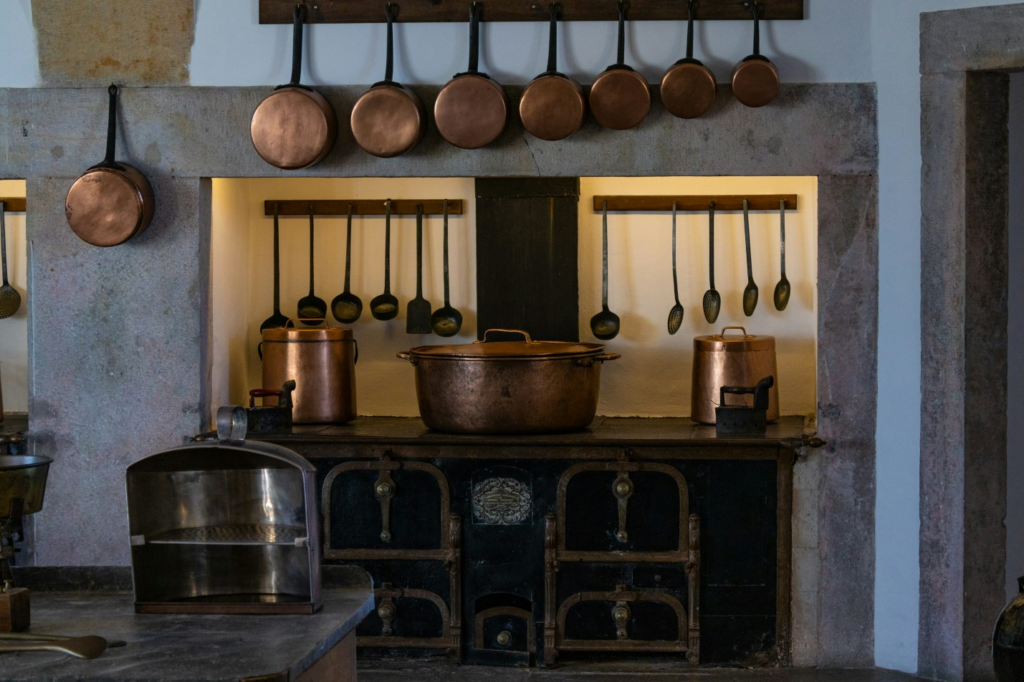
Spanish kitchens are made more personal with relevant tiles. It introduces motion, pattern, and color without being cluttered. This is the way tile selections can create a mood and functionality, and respect tradition.
Tiles and Backsplashes Hand-Painted
Ceramic tiles are personal and expressive. There are patterns that tend to have regional Spanish designs. In a Spanish-style kitchen, tile backsplashes protect walls while telling a story.
The tiles are slightly different, which is charming. A Spanish-inspired kitchen often features tiles behind ranges or sinks. Such information attracts itself. They are silent centers of attention and not assertive.
Flooring Tiles That Fit Your Personality
The tile flooring is helpful in supporting daily activities and is also beautiful. Saltillo tiles remain a popular choice thanks to their warm color variations.
A Spanish kitchen interior space benefits from this durability. The floor is good in terms of foot traffic and temperature. These floors are cool to the feet in summer. They also grow character as time goes by. Wear is not harm, but adds beauty.
Lighting Which Improves the Ambience
The feel of materials and colors is defined by lighting. Spanish kitchens prefer coziness to lightness. We should know how light helps mood and works in these spaces. Here are some tips to help you out with it.
Wrought Iron Fixtures and Warm Glow
Wrought iron fixtures add contrast and form. Chandeliers and pendants are frequently of simple shapes. Historic lighting research on loc.gov says that iron fixtures were widespread because of their durability and accessibility.
In a Spanish-style kitchen, these lights create visual anchors. The radiant light mollifies the surfaces of stone and wood. A Spanish kitchen design feels intimate because the lighting avoids harsh brightness. Shadows do not bring darkness.
Take Advantage of Natural Light
Spanish kitchens welcome daylight whenever possible. Large windows or arched openings allow light to flow freely. A Spanish-inspired kitchen often uses sheer coverings instead of heavy drapes.
This approach highlights textures throughout the day. Natural light keeps the kitchen feeling open and calm. It supports daily routines without reliance on artificial lighting.
Get Spanish Spanish-inspired kitchen from the George Group Today!
A Spanish-inspired kitchen brings warmth, texture, and meaning into the home. Every detail supports comfort and connection. From materials to color, this style feels genuine. If you are considering a Spanish-inspired kitchen for your home, then George Group is here to help you out with it.
George Group delivers thoughtful craftsmanship that respects tradition while supporting modern living with confidence and care.