By George House/05,Aug,2025
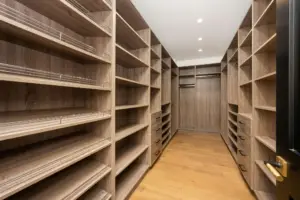
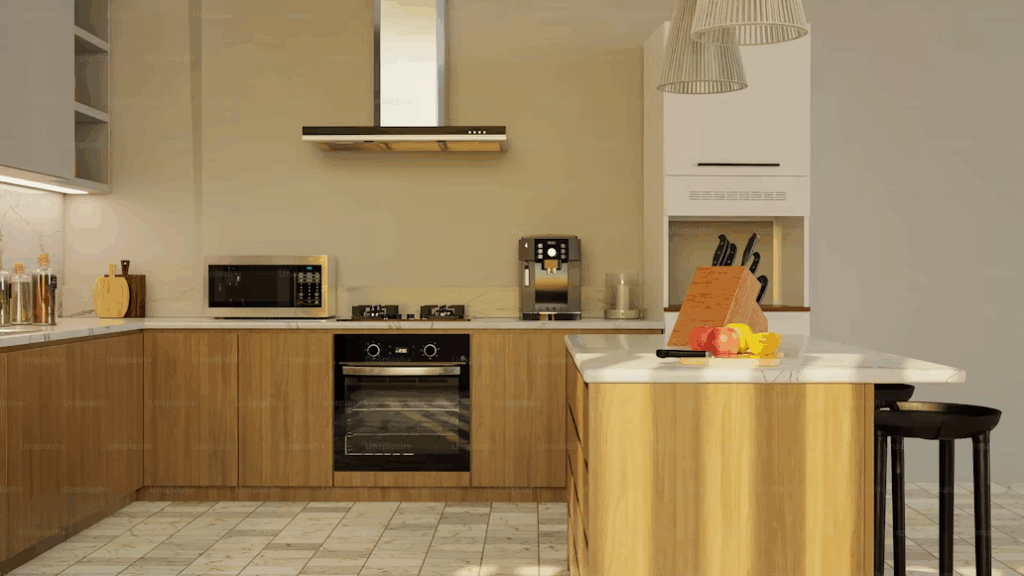
White oak kitchen cabinets are selected for their visible grain, light-to-medium color range and ability to work with both simple and detailed door styles. The appearance, however, depends on the material construction, veneer matching, grain cut, stain, clear coat, substrate and approved sample—not on the species name alone.
Use this guide to compare white oak options and write a cabinet specification that suppliers can price and reproduce. The final selection should be coordinated with the full kitchen cabinet design, worktops, flooring, lighting and appliance finishes.
Define the White Oak Construction
| Construction | Useful characteristics | Specification checks |
|---|---|---|
| Solid white oak | Natural material through the component; useful for frames, edge details and selected door parts | Grade, moisture content, grain variation, movement allowance and component dimensions |
| White oak veneer on a stable core | Provides a controlled face appearance across large panels | Veneer species, cut, thickness, matching method, core, backer and edge treatment |
| White oak-faced plywood | Can combine a wood face with layered structural construction | Plywood grade, face veneer, exposed edges, formaldehyde or project requirements and finish compatibility |
| Oak-look decorative panel | Provides a repeatable printed or textured surface rather than natural white oak | Product code, texture, repeat, substrate, edge band and sample approval; do not describe it as solid or veneered oak |
Many cabinet packages combine materials: for example, veneered door centers, solid timber lippings and a moisture-resistant panel carcass. List each component separately so the quotation does not substitute a visually similar but technically different construction.
Choose the Grain Cut and Matching Method
Plain-Sawn Appearance
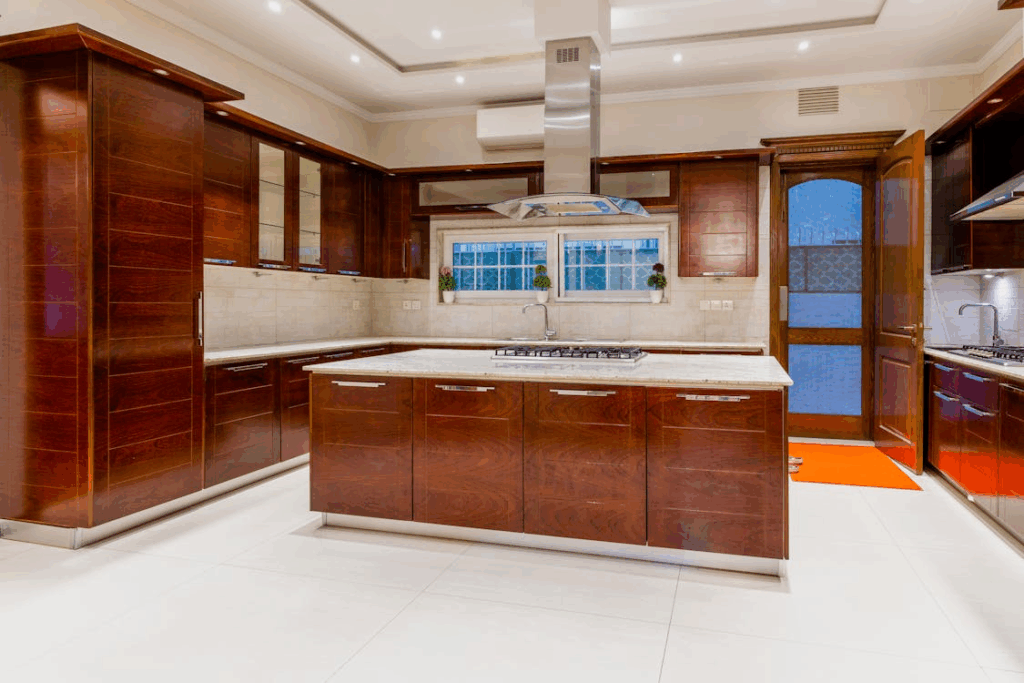
Plain-sawn or crown-cut faces show wider cathedral patterns and stronger natural variation. They can create a warmer, more expressive look. Agree on the acceptable range of grain and color rather than approving one small sample as an exact representation of every door.
Rift- or Quarter-Cut Appearance
Rift- and quarter-cut veneers can produce straighter grain and a more linear elevation. The supplier should identify the actual cut and matching method. Terms are sometimes used loosely, so approve representative panels or a full-size sample where the grain effect is important.
Grain Direction and Continuity
State whether the grain runs vertically or horizontally and whether adjacent fronts require sequence matching. Continuous matching can improve visual alignment, but replacement doors may not reproduce the original sequence. Mark the elevation and cabinet numbers before production.
Coordinate the Door Style
Slab doors emphasize grain continuity and suit simple contemporary elevations. Shaker or framed doors introduce rails, stiles, joints and panel details that break the grain into components. Profile depth, edge radius, handle position and hinge drilling can affect how the finish looks under light. Compare the options in our kitchen cabinet door style guide.
Approve Color and Finish as a System
- Natural clear finish: retains much of the species variation but can still change tone depending on the coating.
- Light stain or wash: can reduce or shift yellow, gray or warm notes; apply it to a representative veneer or timber batch.
- Medium or dark stain: changes contrast between earlywood, latewood and filled pores; check blotching and sample consistency.
- Open- or closed-pore finish: affects texture, cleanability and reflected light.
- Sheen level: should be identified by the coating system or an approved physical sample, not only by words such as matte or satin.
Review samples under the project’s actual daylight and artificial lighting where possible. Worktop, backsplash, floor, wall color and metal finishes should be present on the same sample board so undertones can be judged together.
Check Performance and Construction Details
Moisture and Cleaning
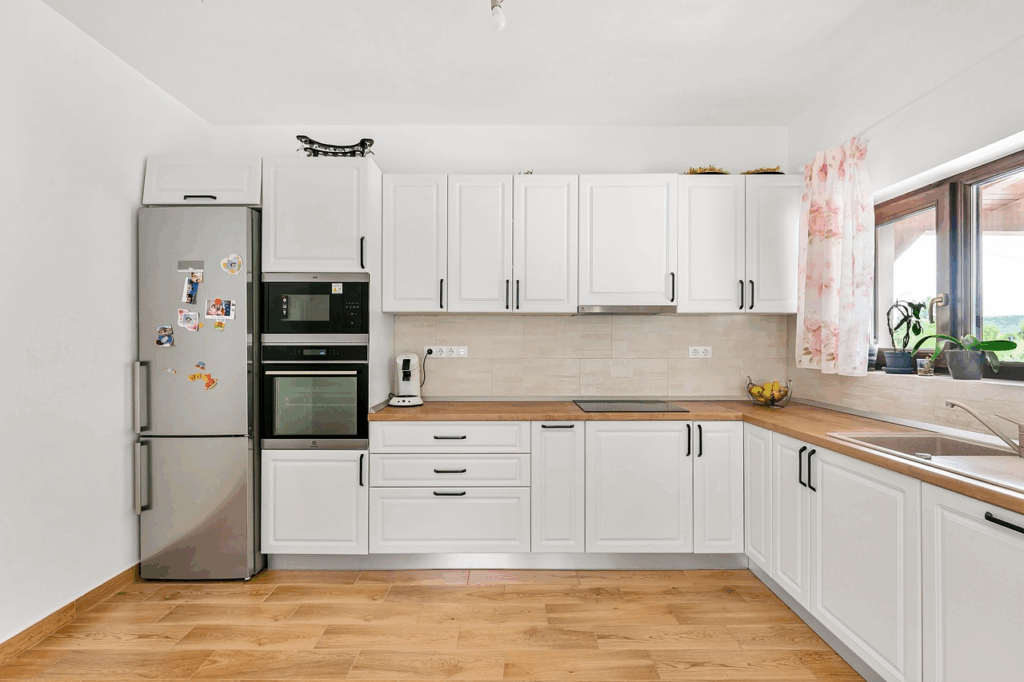
Specify sealed faces, edges and cutouts appropriate to the project. Areas near sinks, dishwashers and appliances need coordinated ventilation, gaps and service access. Clean the approved finish with products recommended by the coating supplier; avoid assuming that all wood finishes tolerate the same chemicals or standing water.
Hardware and Fixing
Door weight, width and construction determine hinge quantity and mounting details. Confirm runner and hinge capacity, drilling positions, soft-close requirements, handle fixing and any reinforcement before machining the finished components.
Dimensions and Interfaces
Coordinate cabinet heights, depths and fillers with the site and appliances. Use the standard kitchen cabinet size guide for early planning, then approve project-specific plans, elevations and sections.
Quotation and Sample Checklist
- Component-by-component material construction and substrate
- White oak species or product code, grade and veneer cut
- Grain direction, matching method and acceptable natural variation
- Door style, profile, edge, panel thickness and exposed-end details
- Stain or wash reference, coating system, pore treatment and sheen
- Carcass, back, shelf, drawer and moisture-related construction
- Hinges, runners, handles, accessories and declared hardware loads
- Sample sequence: small finish chip, representative door and signed sample board
- Shop drawings, mock-up, inspection, packing and protection requirements
Compare quotations on the same scope. The kitchen cabinet cost guide explains why door construction, veneer matching, hardware, accessories, finishes and installation support can change the total price.
Approve White Oak Cabinets Before Production
White oak kitchen cabinets are most predictable when the project defines the construction, grain, finish and matching expectations before production. Send the kitchen drawings, cabinet schedule, appliance list, worktop and floor samples, finish references and delivery requirements. You can contact George House Material for a coordinated cabinet quotation and sample review.