By George House/14,Apr,2026
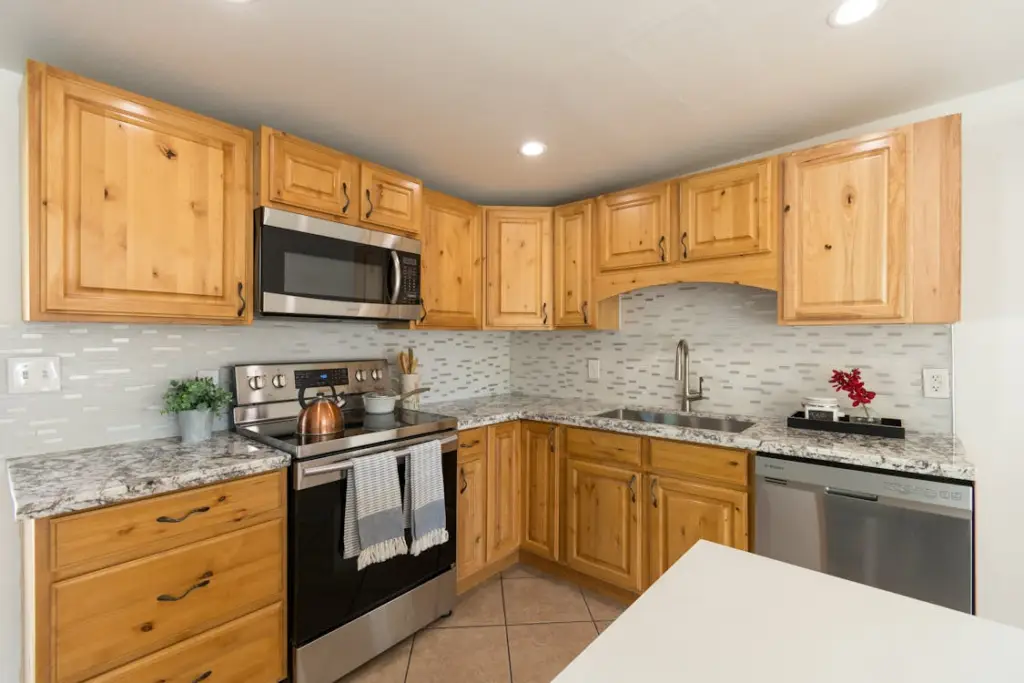
Knotty alder cabinets are selected for their warm color, visible knots and natural variation, but the appearance must be defined with an approved range sample. Species name alone does not establish cabinet quality, sustainability, durability or price. Construction, grade, moisture condition, finish system, hardware and workmanship still need a controlled specification.
For comparable quotations, state which components are solid alder, veneered, engineered or made from another substrate. Record acceptable knots, filled defects, sapwood, color range and panel matching before production.
Define Knotty Alder Appearance
- Species and source documentation required by the project
- Door and face-frame construction
- Acceptable knot size, frequency, filling and repair
- Color, grain and sapwood variation
- Panel and door matching expectations
- Stain, glaze, topcoat, sheen and approved range sample
Natural wood varies from one piece to another. Approving a single small chip without a permitted variation range can create disputes when the full kitchen is installed. Use a representative door sample or sample board and record the accepted limits.
Understand Material and Construction Trade-Offs
| Item | What to verify | Project impact |
|---|---|---|
| Solid alder components | Grade, moisture condition, jointing and section size | Natural variation, movement and repair method |
| Veneered panels | Veneer species, cut, matching, substrate and edge detail | Panel stability and visual consistency |
| Door construction | Solid, five-piece, veneered or engineered construction | Appearance, joints and dimensional behavior |
| Finish system | Stain schedule, sealer, topcoat, sheen and touch-up procedure | Color development and maintenance |
| Cabinet box | Carcass, back, shelves, edges and exposed interiors | Structural scope and quotation comparability |
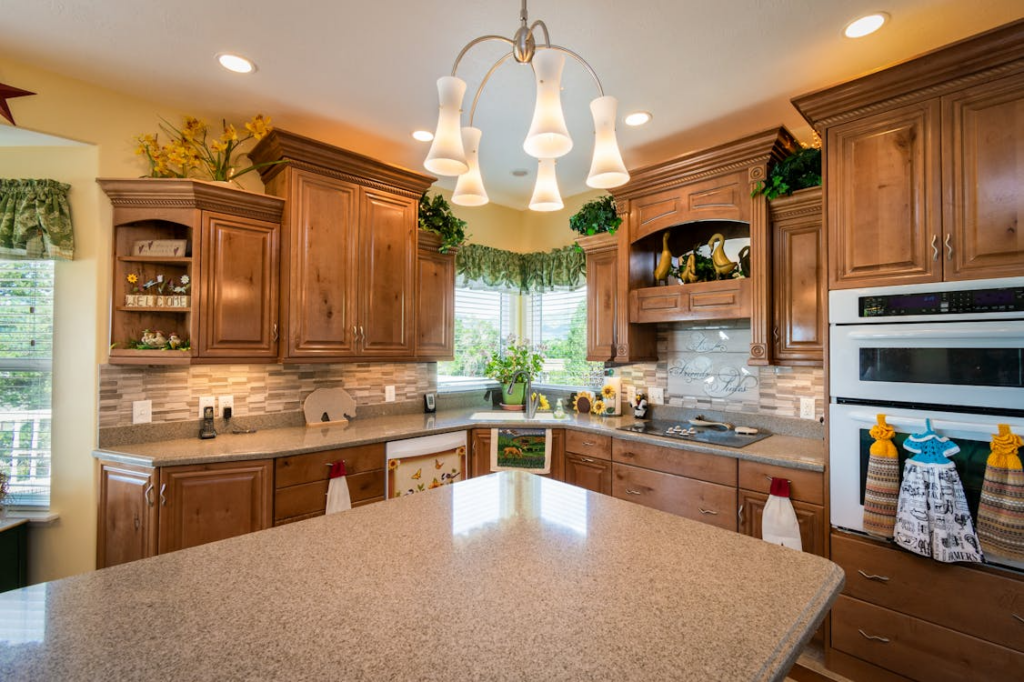
Finish Samples and Use Conditions
Alder is generally selected for its appearance and workability, not because it is immune to dents, moisture or finish wear. Protect sink bases, wet zones and exposed edges through appropriate detailing, installation and maintenance. Do not convert general indoor-humidity guidance into a species-specific guarantee.
The USDA Forest Products Laboratory publishes technical information on red alder characteristics. Project teams should still confirm the actual species, construction and finish proposed by the supplier.
Cabinet Performance and Documentation
If a recognized cabinet performance certification is required, identify the standard and verify that the proposed product line is covered. The KCMA A161.1 certification program addresses cabinet structure, doors, drawers and finishes; it does not mean that every cabinet made from a listed wood species is automatically certified.
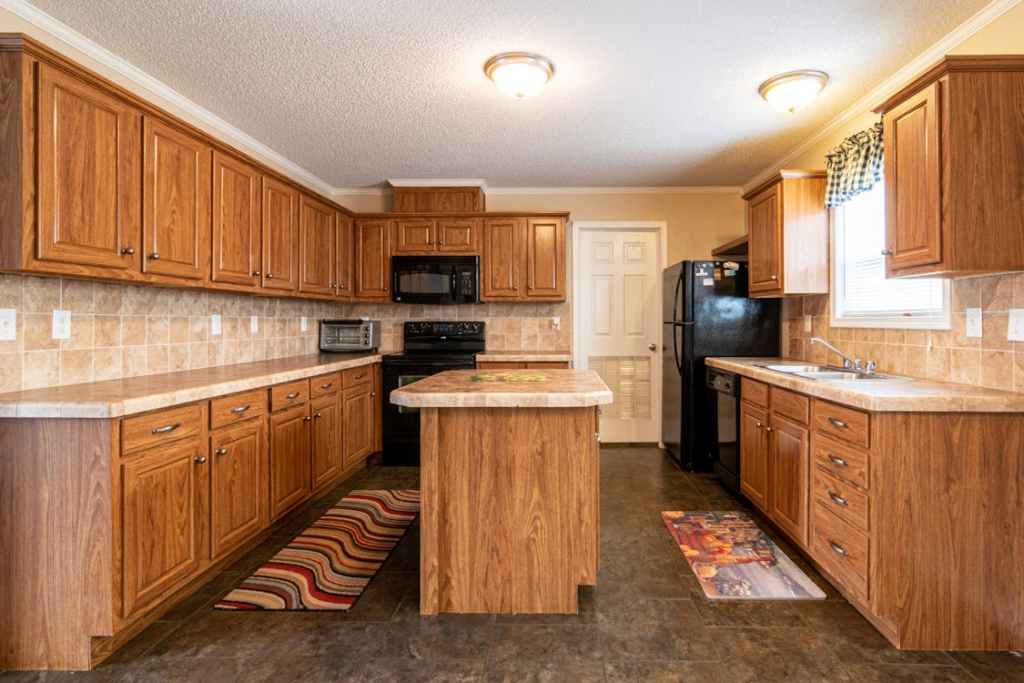
Knotty Alder Cabinet RFQ Checklist
- Cabinet elevations, schedule and room dimensions
- Species, grade and component-by-component construction
- Approved knot, color and grain variation range
- Door, drawer, carcass, back and shelf construction
- Stain, topcoat, sheen and sample-door approval
- Hardware, accessories and appliance interfaces
- Wet-zone protection and maintenance information
- Packing, installation, adjustment and exclusions
Compare the full scope with our kitchen cabinet BOQ guide, two-tone cabinet planning article, taupe cabinet finish guide and kitchen design service. To review a proposed cabinet schedule, send the drawings and finish references.
Frequently Asked Questions
Are knotty alder cabinets always less expensive?
No. Price depends on construction, grade, finish, hardware, quantity, production location and commercial scope. Compare itemized quotations against the same schedule.
Can one small stain chip approve the whole kitchen?
It may not show the permitted knot, color and grain variation. A representative door or range sample is usually more useful for natural wood approval.