By George House/23,Jun,2025
Black kitchen cabinets can create a clear architectural contrast, but the result depends on more than color. Lighting, finish sheen, door construction, fingerprints, edge details and adjacent surfaces all affect how the cabinetry looks and performs. This guide focuses on the decisions that should be documented before ordering.

Decide Where Black Cabinets Will Be Used
A full black kitchen is only one option. Black can be limited to an island, tall appliance wall, base cabinets or display units. Mark each finish on the elevations and finish schedule so the factory does not have to interpret terms such as “two-tone.” Review the layout through the kitchen design hub before freezing colors.
Compare Substrates and Finish Systems
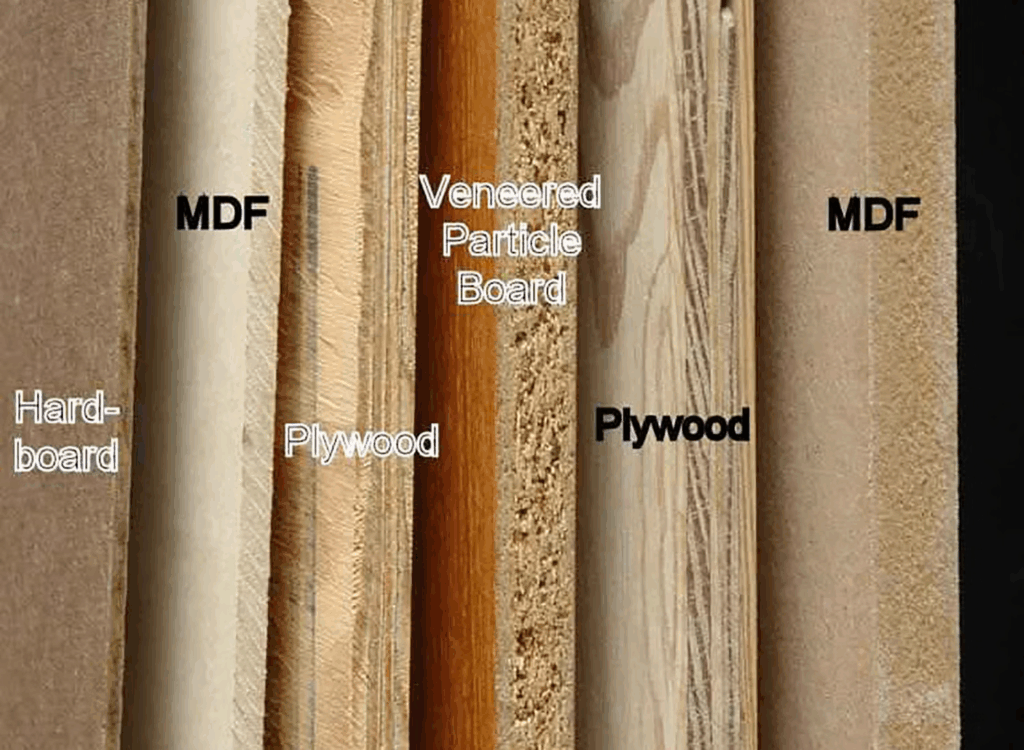
Black is a visual description, not a material specification. Painted MDF, stained wood, veneer, laminate, melamine, lacquer and metal can produce different color depth, texture, edge appearance and repair options. Ask the supplier to identify the substrate, coating system, sheen and edge treatment for every visible component.
Use a full-size sample door where possible. A small chip may not reveal surface waviness, grain, gloss variation or the visibility of fingerprints. If certification is part of the project brief, request evidence for the exact cabinet line. The KCMA A161.1 program includes structural, door, drawer and finish tests; it should not be inferred merely from a cabinet’s appearance.
Plan Lighting and Adjacent Finishes Together
Dark cabinetry absorbs more visible light than pale cabinetry, but that does not make a black kitchen unsuitable for a small room. Review window orientation, ceiling and wall reflectance, task lighting and under-cabinet lighting as one system. Test the door sample beside the actual countertop, backsplash, flooring and metal finishes under the intended lighting.
Light stone and timber can create contrast, while a dark countertop can produce a more continuous composition. Neither approach is automatically better. The right combination depends on the room, maintenance preference and approved sample board. See the related guides to kitchen cabinet colors and taupe cabinets for alternative palettes.
Specify Details That Show Against Black

Panel gaps, exposed fasteners, filler strips and edge banding can be more visible on a dark finish. Coordinate handle positions, appliance reveals, toe kicks, end panels and interior colors in the shop drawings. Confirm whether hinges and drawer runners are concealed and whether any visible hardware should match the cabinet or provide contrast.
Cleaning and Touch-Up Expectations
Fingerprint visibility varies by sheen, texture, lighting and use. Request the manufacturer’s cleaning instructions and test them on the approved sample. Ask how scratches, edge damage and replacement doors are handled. A touch-up product may reduce the visibility of minor damage, but it may not reproduce the factory finish exactly.
Production samples also need a clear approval path. Identify who signs the control sample, how long it remains valid and what level of variation is acceptable between doors, panels and later replacement batches. Photographing the sample is useful for records, but the physical approved sample should remain the primary color reference.
Black Cabinet RFQ Checklist
- Dimensioned cabinet plans and elevations
- Exact black color reference and approved control sample
- Door substrate, coating or laminate system and sheen
- Edge banding, fillers, end panels, interiors and toe kicks
- Countertop, backsplash, flooring and hardware references
- Lighting assumptions and full-size sample door
- Cleaning, touch-up, warranty and replacement batch procedure
- Shop drawings, lead time, packing and installation scope
Coordinate upper cabinet proportions with the upper cabinet height guide. For a comparable quotation, include the same drawings, hardware schedule and finish requirements for every bidder. Send the project package when you are ready to review samples and pricing.