By George House/12,Jan,2026
Wood kitchen cabinets can bring natural grain, warmth and repairable finishes to a kitchen, but the phrase may describe very different constructions. Doors, face frames, carcasses, shelves and drawer boxes do not all need to use the same material.
Define each component, species or decorative surface, finish and use condition before comparing quotations. The goal is a coordinated cabinet package, not a broad claim that one material will always last longer or add more value.
Define What “Wood Cabinet” Means
| Component or Construction | What to Specify | Decision Point |
|---|---|---|
| Solid-wood door or frame | Species, grade, moisture range, profile and finish | Natural movement, grain variation and repair method |
| Veneered panel | Core, veneer species/cut, matching, thickness and edge treatment | Visual continuity and substrate stability |
| Painted engineered panel | Core type, density, surface preparation and coating system | Flatness, edge quality and moisture exposure |
| Carcass and shelves | Panel type, thickness, surface, edge band and load requirement | Cleanability, deflection and fixing strength |
| Drawer box | Material, joint, base thickness and runner interface | Capacity, operation and service access |
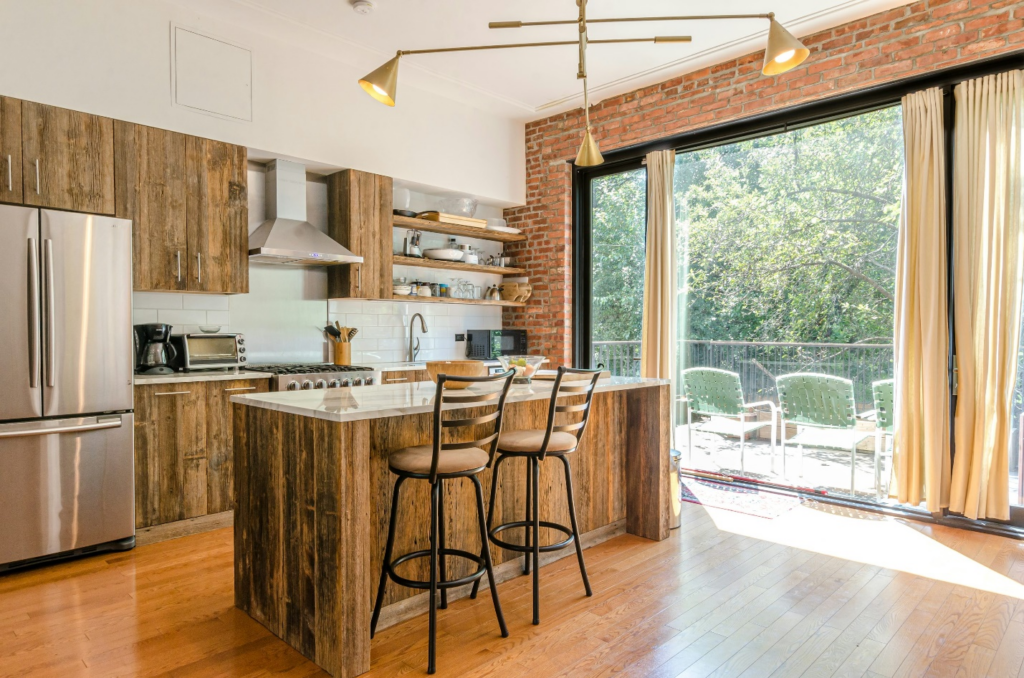
(Source)
Use the custom kitchen cabinet design process to keep the material schedule aligned with room dimensions, appliances and service interfaces.
Compare Species, Grain and Finish
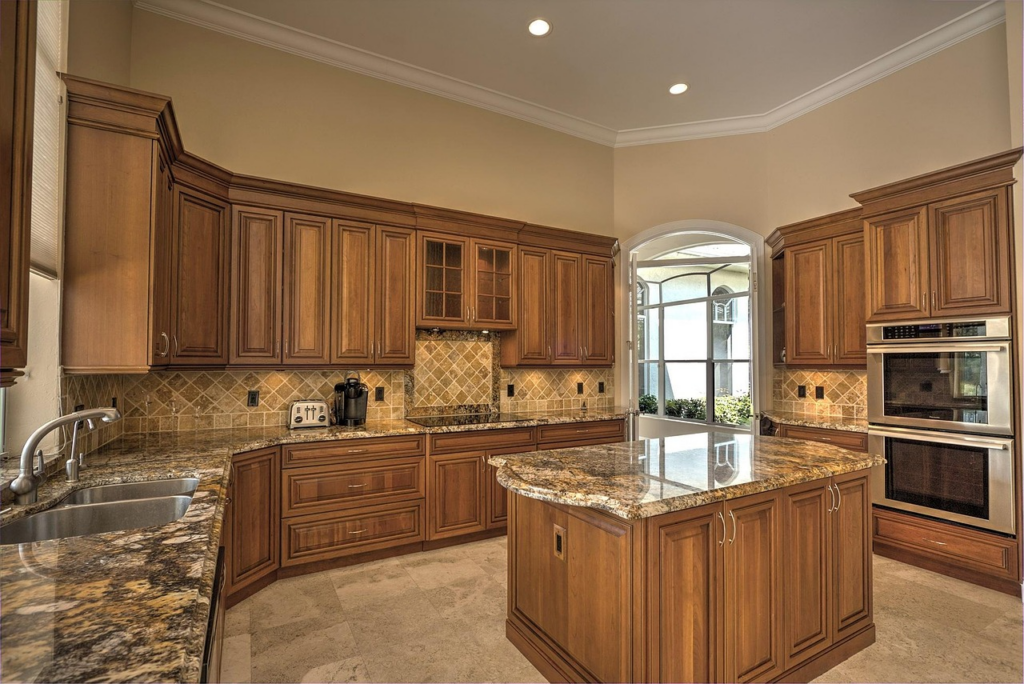
Oak, maple, walnut, ash and other species vary in grain, color, hardness, availability and response to stain. Confirm whether the name refers to solid wood, veneer or a printed decorative surface. Approve the species and construction separately.
- Grain selection: plain-sawn, quarter-sawn, rift-cut or other required appearance.
- Matching: random, book, slip or sequence matching where relevant.
- Color range: acceptable heartwood, sapwood and natural variation.
- Finish system: stain, sealer, topcoat, sheen and repair procedure.
- Sample scale: full door or large board showing edges and profiles, not a small chip alone.
Compare undertones and sheen with the kitchen cabinet color guide before approving worktops, flooring and wall finishes.
(Source)
Select a Door Style That Fits Use and Manufacturing
Shaker, slab, framed, raised-panel and integrated-handle doors create different shadow lines, cleaning needs and edge conditions. Door size and construction must suit the selected material and hardware. Wide solid-wood parts may move differently from veneered or engineered assemblies.
Use the kitchen cabinet door style guide to compare profile, joint, finish, hardware and sample requirements.
Coordinate Dimensions and Interfaces
Cabinet dimensions should follow the room survey, appliance schedule and user requirements. Nominal module sizes are planning references; final widths, depths, heights, fillers and service voids must be coordinated with the actual project.
| Interface | Confirm Before Production |
|---|---|
| Appliances | Model numbers, ventilation, clearances, door swings and service access |
| Worktops | Support, overhang, seams, cutouts, splashback and finished height |
| Sink base | Plumbing zone, sealed cut edges, leak protection and removable access |
| Walls and ceilings | Survey tolerances, scribes, fillers, cornices and alignment |
| Lighting and power | Drivers, cables, switches, outlets and heat management |
The standard kitchen cabinet size guide helps establish a starting layout while keeping final production dimensions project-specific.
Compare Quotations on the Same Scope
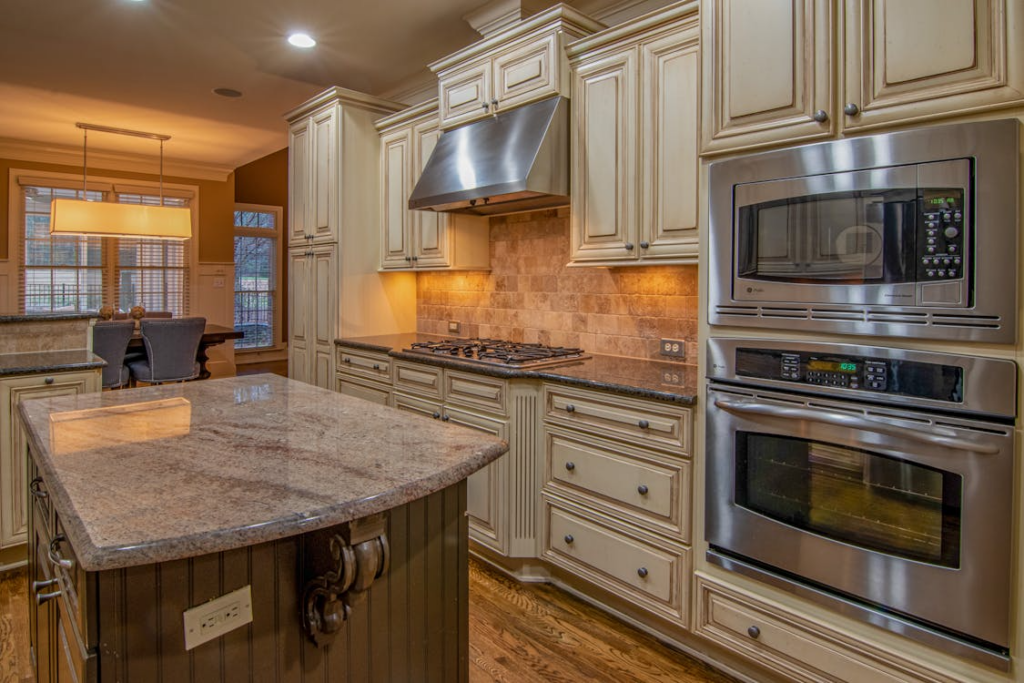
A low cabinet price may exclude hardware, accessories, end panels, fillers, lighting, worktops, installation or packing. Compare supplier offers against a room-by-room schedule with identical material and finish descriptions.
- Cabinet reference, room, dimensions and quantity
- Door, carcass, back, shelf and drawer-box materials
- Finish, color, edge treatment and visible end panels
- Hinges, runners, lift systems, handles and internal accessories
- Worktops, sinks, lighting and other inclusions or exclusions
- Drawings, samples, prototypes, installation and packaging
Use the kitchen cabinet cost and quotation guide to normalize scope before evaluating price differences.
(Source)
Approve Samples, Drawings and Quality Checks
- Approve the component schedule and material descriptions.
- Review shop drawings against the latest survey and appliance data.
- Approve a full-size door sample showing color, grain, edge and hardware.
- Build a representative cabinet prototype for critical interfaces.
- Inspect dimensions, edge bands, finish consistency and hardware operation.
- Protect finished units, label packages by room and retain spare materials.
Wood Kitchen Cabinet RFQ Checklist
- Room plans, elevations, survey and cabinet schedule
- Component-by-component material, species, core and thickness
- Door style, grain direction, matching, color, finish and sheen
- Moisture exposure, cleaning, edge sealing and repair requirements
- Hardware manufacturer, model, load, finish and test expectations
- Appliances, worktops, sinks, services, lighting and interface details
- Samples, prototype, shop drawings, substitutions and approval stages
- Packing, labels, delivery sequence, installation, warranty and spares
Specify the Complete Cabinet, Not a Material Label
Wood kitchen cabinets should be judged as assemblies. Define where solid wood, veneer or engineered panels are used; approve the finish and grain range; and coordinate dimensions, hardware and interfaces before production. This makes design intent, quotation and quality inspection auditable.