By George House/13,Jun,2026
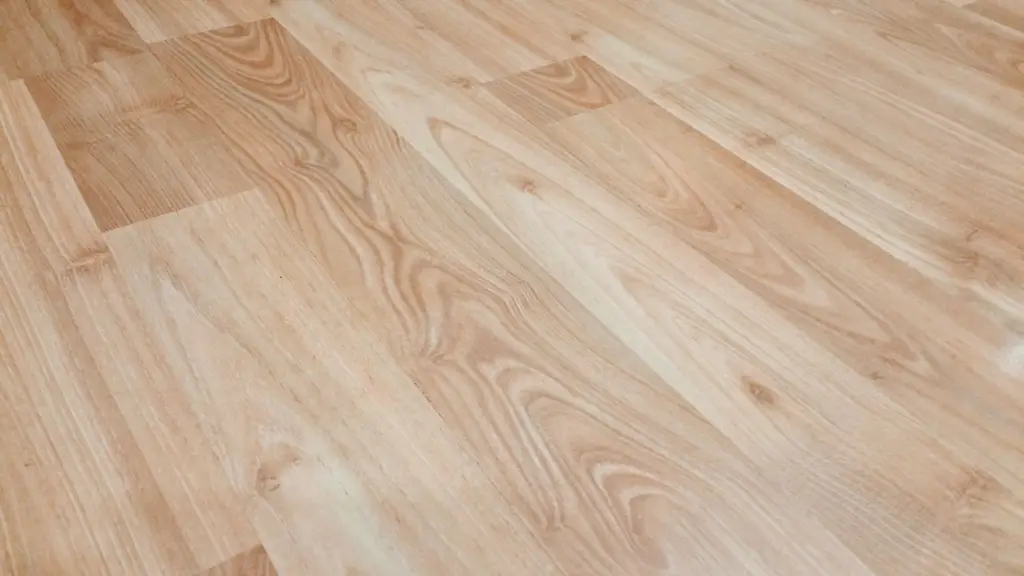
Light wood floors can create a calm, continuous base for contemporary, Scandinavian, coastal and transitional interiors. The result depends on more than color. Species, cut, grade, board width, finish, gloss, installation pattern and natural variation determine how the completed floor reads.
Select the floor for the room conditions and substrate first, then coordinate its appearance with cabinetry, furniture, walls and lighting. Review full-size boards or an agreed sample panel before ordering because a small digital image cannot represent grain, tone range or sheen reliably.
Light Wood Floor Options at a Glance
| Direction | Visual character | Selection check |
|---|---|---|
| White oak | Visible grain with warm or neutral pale tones | Grade, cut, color range and finishing system |
| Maple | Finer grain and a cleaner surface appearance | Natural color variation and movement characteristics |
| Ash | Pronounced grain with a light base color | Board matching, availability and approved variation |
| Pale engineered wood | Light timber wear layer on a layered construction | Wear-layer data, core, edge, installation and repair plan |
| Light wood-look surface | Printed timber appearance in another material | Pattern repeat, texture, edge, slip and room suitability |
Start with Room Use and Substrate Conditions
Record room type, expected traffic, footwear, moisture exposure, cleaning routine, underfloor heating and acoustic requirements. Confirm whether the substrate is concrete, screed, plywood or an existing floor, then review flatness, moisture, movement, height transitions and the approved installation method.
Use the flooring options by room guide when comparing wood with tile, stone, resilient flooring or carpet. Keep the selection tied to actual performance data for the proposed product.
Compare Species, Cut and Grade
White Oak
White oak can be finished from pale neutral to warm natural tones. Quarter-sawn, rift-sawn and plain-sawn boards show different grain. Grade affects knots, color variation and character marks, so specify the desired appearance and acceptable range instead of naming the species alone.
Maple and Ash
Maple generally provides a finer visual texture, while ash commonly shows stronger grain movement. Availability, grading rules and finishing response vary by supplier. Ask for project-specific sample boards and technical data before using a generic species description in the schedule.
Separate Solid, Engineered and Wood-Look Products
Solid wood, engineered wood and wood-look tile or resilient products are different assemblies. Compare thickness, construction, surface layer, edge profile, dimensional stability, installation, refinishing, repair and manufacturer limitations. Do not transfer performance claims from one product type to another.
When wet-area maintenance or tile performance is being considered, the floor tile type guide provides a useful adjacent comparison.
Control Color, Finish and Sheen
Natural, whitewashed, pale stained and clear-finished floors can all be described as light wood, yet they age and coordinate differently. Record the finish system, color reference, sheen, texture, stain resistance and maintenance method. Review the sample under daylight and the proposed artificial lighting.
Select Plank Width and Layout
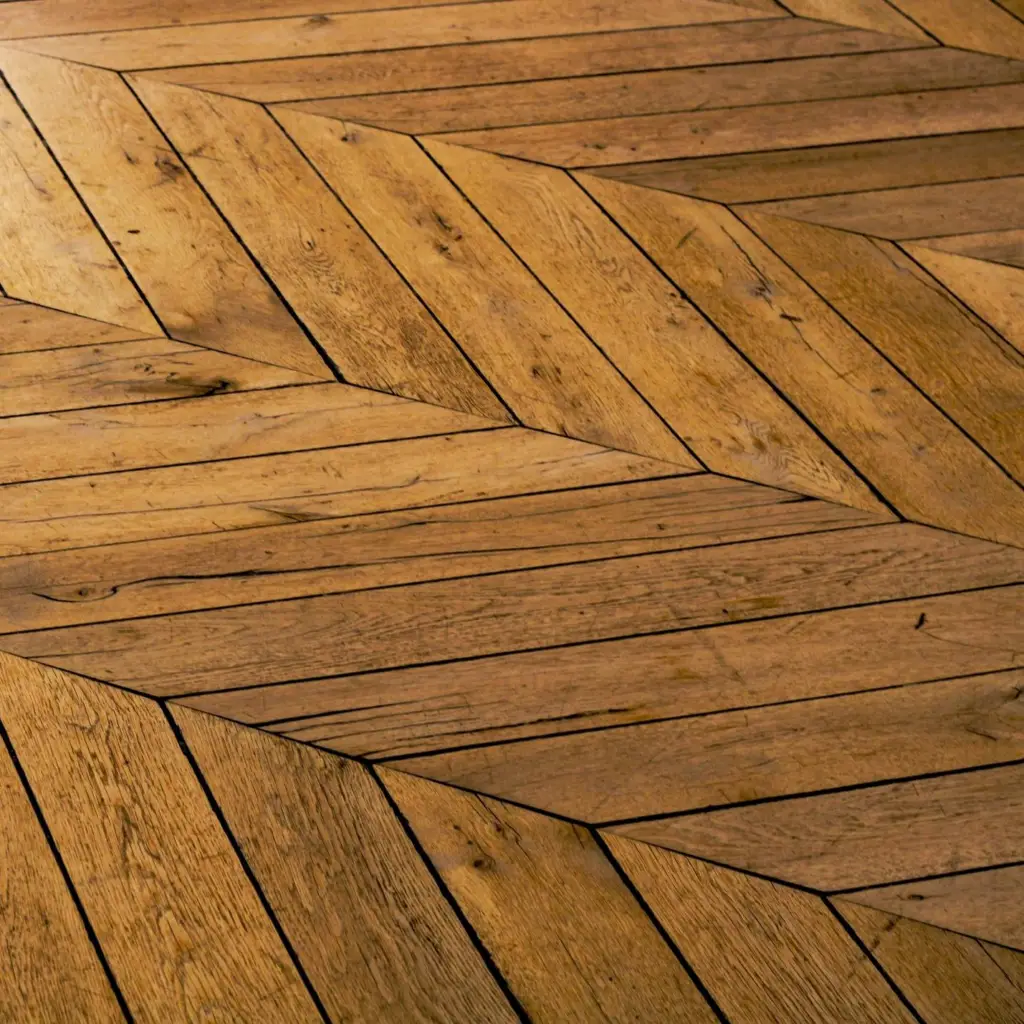
Board width, length mix and installation direction change the scale of the room. Herringbone and chevron create more joints and cutting than straight-laid planks. Show starting lines, border conditions, transitions, stair edges and movement joints on the setting-out drawing before material quantities are finalized.
Ask the supplier to state the expected length distribution rather than quoting only a maximum board length. Shorter pieces, end joints and color grouping affect the installed rhythm. Agree whether boards will be mixed randomly, balanced by tone or selected for particular rooms, and include that method in the installation review.
Coordinate Floors with Cabinets, Furniture and Walls
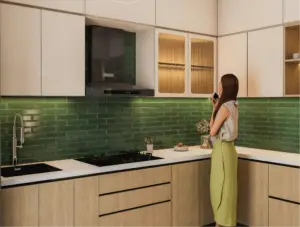
Compare the floor with the actual cabinet and furniture samples rather than trying to match every timber exactly. A controlled contrast can be clearer than two almost-matching tones. The light wood cabinet guide helps coordinate grain, finish and adjoining kitchen materials.
Use the furniture, wall and floor finish guide to assemble a room palette. Review large samples vertically and horizontally because light reaches floors and walls differently.
Plan Kitchens and High-Use Areas Carefully
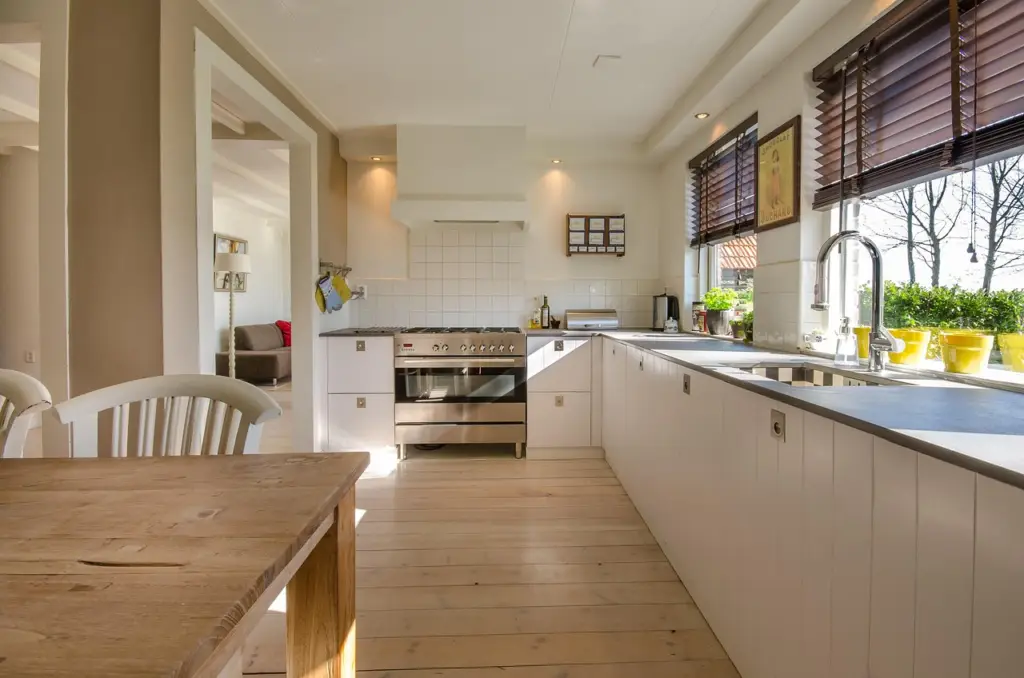
At kitchens and entrances, review spills, grit, chair movement, cleaning and transition details. If tile is a stronger fit for the project, compare color, pattern and layout through the kitchen floor tile ideas guide. The visual direction can remain light even when the material changes.
Approve Samples and Calculate Quantity
Approve multiple boards or a representative sample panel that shows permitted grain and color variation. Confirm board dimensions, pack coverage, layout waste, spare material and batch control. Keep approved samples available for incoming inspection and installation comparison.
Light Wood Floor Schedule Checklist
- Room names, areas, quantities and transition locations
- Product type, species, cut, grade and construction
- Board dimensions, edge, texture, finish and sheen
- Substrate, moisture limits, underlay and installation method
- Setting-out direction, borders, joints and stair details
- Approved color range, sample panel and batch reference
- Cleaning, repair, spare material and handover requirements
Light Wood Floor FAQ
Do Light Wood Floors Make a Room Look Larger?
They can reduce contrast and support a brighter palette, but room proportions, window light, wall color, plank direction and furniture also shape the result. Review an elevation or rendered palette instead of relying on one color rule.
Do Pale Floors Hide Wear?
Visibility depends on finish, texture, sheen, grain, dirt color and maintenance. Test the proposed product and follow its care guidance; do not assume every pale surface conceals scratches or stains.
Finalize the Light Wood Floor Package
A successful light wood floor package combines suitable construction with controlled appearance. Freeze the product data, approved variation, sample, quantity, layout, substrate and maintenance requirements before procurement.